-
The enigmatic snake genus Xenophidion, confirmation of two species
posted on

In the early 1980’s, while working on the Trinidad and Tobago fauna I was in the field four or five times but by the late 1980’s I was focused on working on museum specimens from the island. Most of that work was done at the Field Museum in Chicago (FMNH). When I was free of…
-
Persiophis fahimii a new genus and species of colubrid snake from Iran
posted on

Above. The holotype of Persiophis fahimii. Photo by Roman A. Nazarov. Rajabizadeh et al. (2020) present an updated phylogeny of colubrid snakes from the Western Palearctic by analyzing a supermatrix of all available global snake species with molecular data and report on the discovery of a new genus and species of colubrine snake from southeastern…
-
A new Trimeresurus from northeast India
posted on
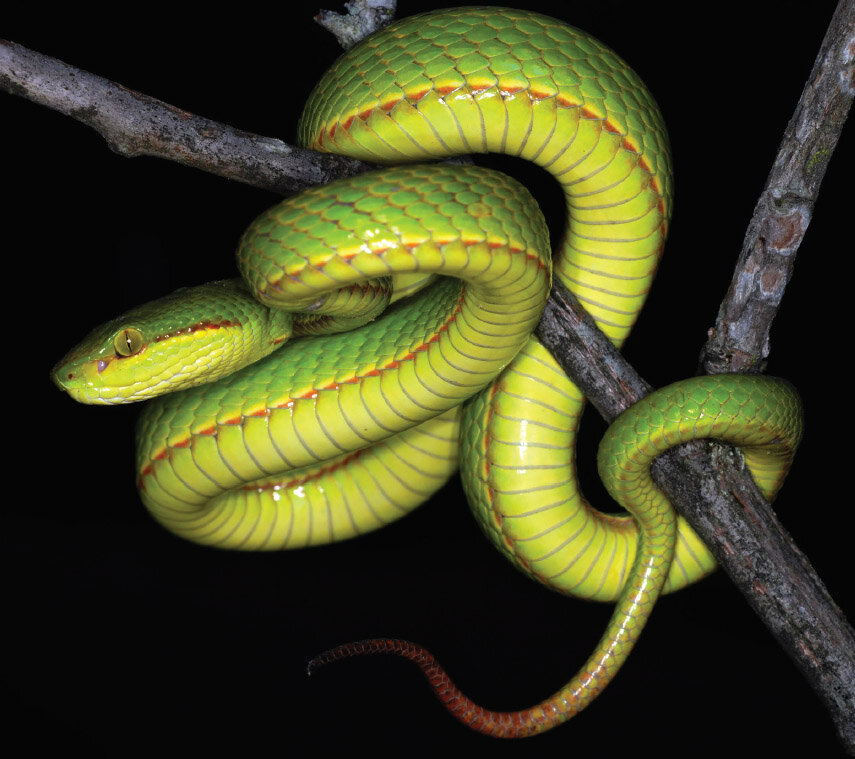
During a herpetological expedition, Arunachal Pradesh in northeast India in the summer of 2019 an adult male Trimeresurus was collected from the outskirts of Pakke Tiger Reserve by Harshal Bhosale. The new species was named Trimeresurus salazar, and is a member of the subgenus Trimeresurus, a relationship determined using two mitochondrial genes, 16S and ND4,…
-
Leatherback egg mortality from invertebrates
posted on
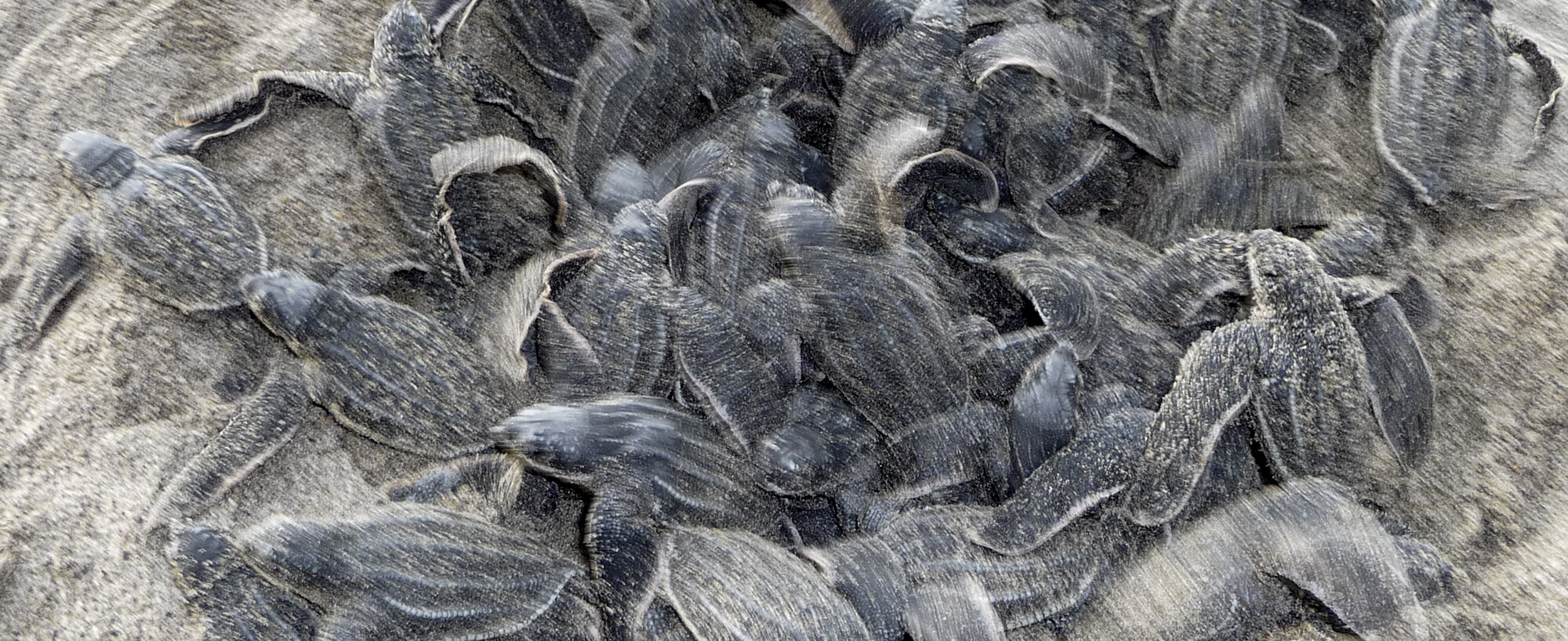
There is a large colony of Leatherbacks that nesting on the north coast of Trinidad at Grande Riviere The beach there is about a kilometer long and hundreds of female Leatherbacks use it for laying multiple clutches of eggs each season. So many turtles use the beach that females are digging up each other’s nests…
-
Green Iguanas in Puerto Rico – more than an exotic species
posted on
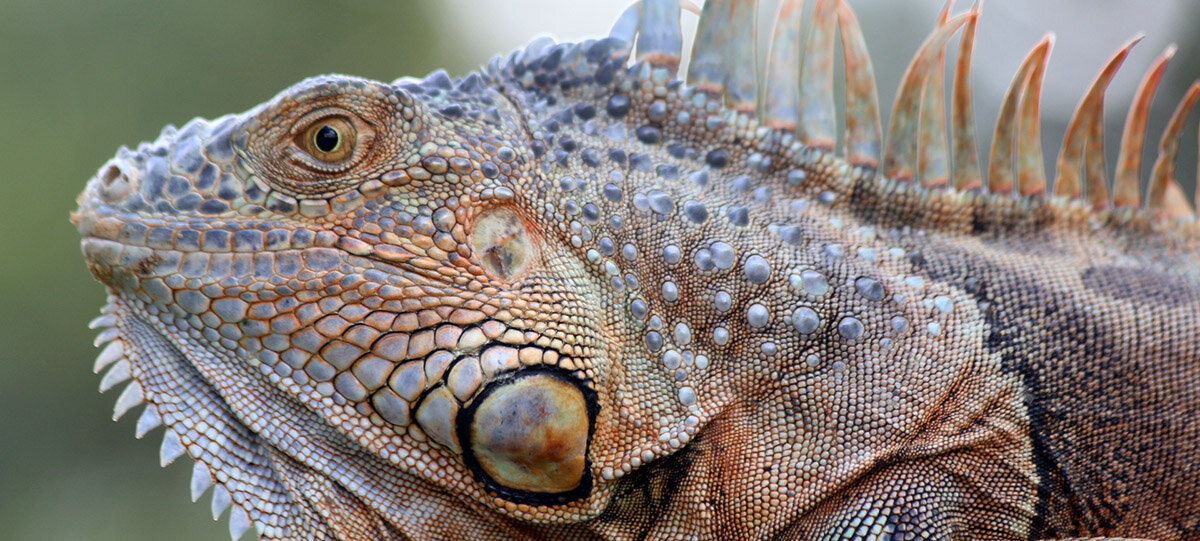
The potential ecological and economic impacts of the common Green Iguana have been reported for Florida and the Lesser Antilles. The giant lizards have been regarded as a nuisance species but some regard the lizard as a pest because of the extensive damage they cause to residential and commercial landscape vegetation. They dig burrows for…
-
A new species of Iguana from the Lesser Antilles – its black
posted on
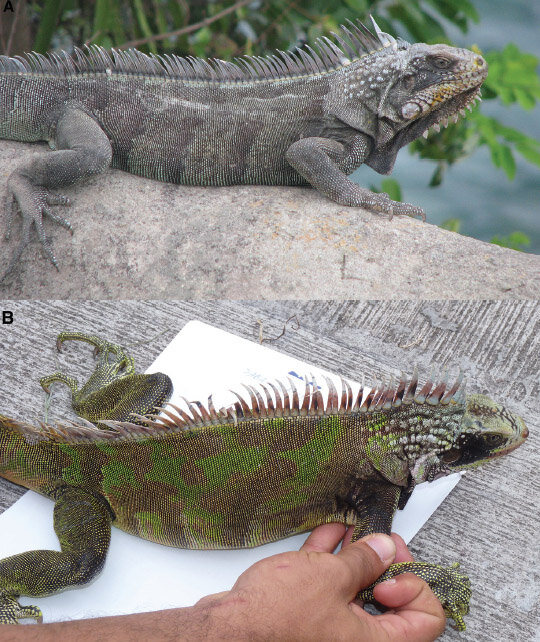
Above. Figure 8 from Breuil et al. (2020) showing the dorsal carpet pattern of young adults Iguana melanoderma. A Montserrat B Saba. The dorsal coloration is formed by darker more or less interrupted dorso-ventral bands (brown, dark grey) on a lighter ground. This pattern disappears in old individuals. The black patch between the eye and…
-
Snakes are important nest predators of the threatened Reed Parrotbill in coastal wetlands of eastern China
posted on
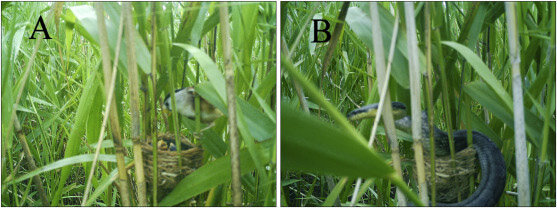
Above: Snake predation on a reed parrotbill nest. (A) The parent feeding nestlings. (B) the same nest was depredated by the snake Elaphe anomala. Nest predation is a major limiting factor of bird reproductive success, and predation by snakes may have particularly adverse effects on passerines. Chen et al. (2020) studied the Reed Parrotbill (Paradoxornis…
-
Anolis sagrei in California
posted on

The Brown Anole is native to the Caribbean and was first introduced into the USA in southern Florida decades ago. Since then, the species has slowly expanded northward and is now firmly established in some areas of coastal and southern Georgia. it has also invaded other regions of USA, including Louisiana, Hawai’i and in 2014…
-
Remarkable snake hunting behavior
posted on

Gomez and Feriche (2019) report a Montpellier Snake, Malpolon monspessulanus, capturing a butterfly while in flight. Some lizards leap into the air to capture flying insects, and some snakes capture airborne prey (bats) during sit-and wait maneuvers from suitable perches. However, there are no literature references to active flycatching as a foraging behavior among fully…
-
Snakes, Chinese medicines, and the corona virus
posted on
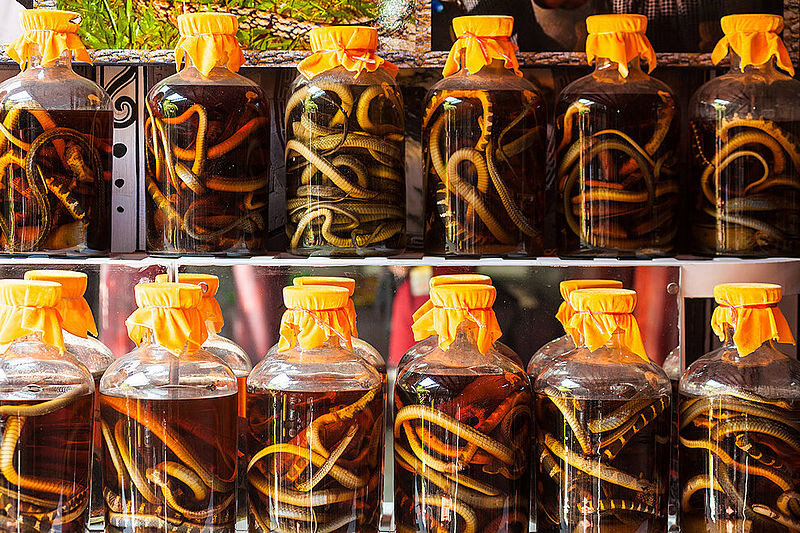
China’s Zisiqiao Village is famous for snake farming. The farms are family owed and combined the village produces about three millon snakes per year. The village was built along a canal about 200 kilometres from Shanghai. In 1985 Yang Hongchang, introduced snake breeding to the village and residents started selling snakes to vendors. Yang says…
-
First Tuatara hatchling found at South Island Sanctuary
posted on

By RNZ Tuatara hatchlings have been spotted at Orokonui Ecosanctuary for the first time since adult tuatara were released in 2012. Two hatchlings were seen by Otago University researchers and may be the first to hatch as part of a viable population in the South Island for several hundred years. Evidence showed they…
-
Damselfish and Sea Snakes
posted on
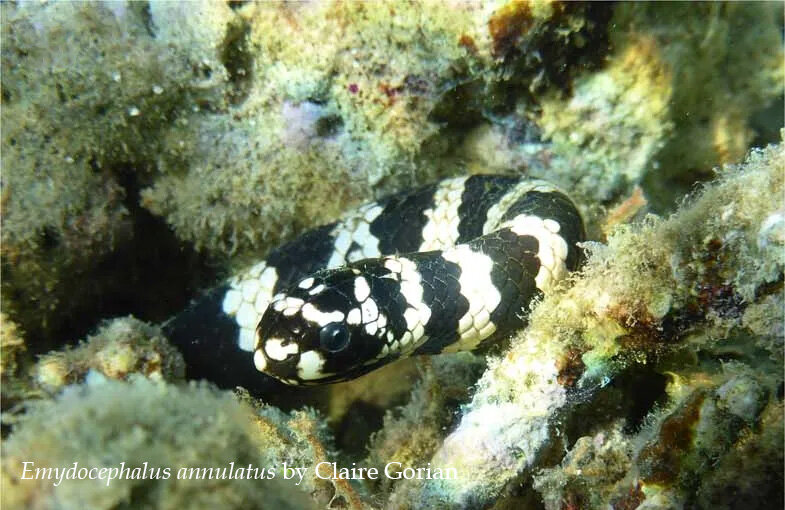
In a new paper, Goiran and Shine (2020) examine female damselfish defending their nests or territories against sea snakes, some of which eat damselfish whereas others do not. They asked the question, can the fishes identify which sea snake taxa pose a threat? The authors recorded responses of damselfishes to natural encounters with five species…
-
A designer Python bivittatus shows up in Queensland, Australia
posted on

On any given day in the USA, it is possible to find news reports of giant boas or pythons that have escaped from their owners and are roaming the streets large urban areas as well as small towns. In most locations, these snakes cannot survive. But, due to their popularity in the pet trade, they…
-
Tarentola geckos involved in pollination
posted on
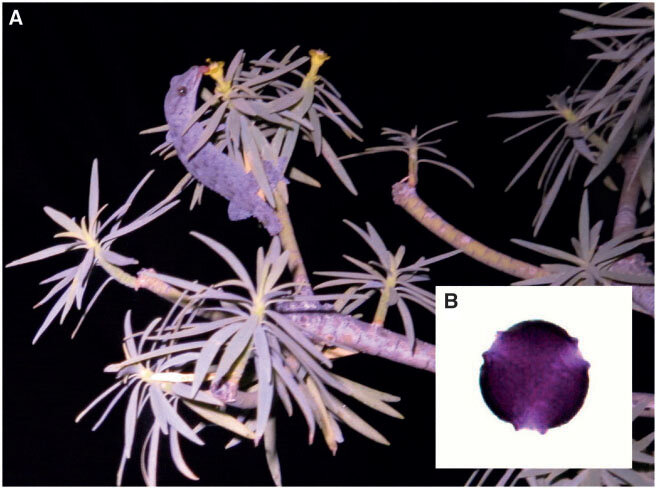
Above. Tarentola delalandii visiting a flowering plant on the island of La Palma (Canary archipelago). (B) Detail of Euphorbia lamarckii pollen grain. I Insects are the best known group of pollinators, but some birds (hummingbirds) and mammals (bats) arw also important as pollinators and seed dispersers for flowering plants. Lizard’s role as pollinators has been…
-
The Flower Snake’s mtgenome and its relationship to other Asain rat snakes
posted on

The Flower Snake or Moellendorf’s Rat Snake (Family Colubridae) has had a turbulent taxonomic history. The species is endemic to China and Vietnam (Hòa Bình) but it may also occur in Laos. It was originally described as Cynophis Moellendorffi by Boettger in 1886 but was placed in the genus Coluber by Boulenger in 1894, in…
-
Booids from the early-middle Eocene of Messel (Germany) and infra-red pits
posted on
Well preserved fossil booids from Messel Germany Abstract. Our knowledge of the early evolution of snakes is improving, but all that we can infer about the evolution of modern clades of snakes, such as boas (Booidea), is still based on isolated bones. Here, we resolve the phylogenetic relationships of Eoconstrictor fischeri comb. nov. and other…
-
The oldest record of frogs in the Caribbean
posted on
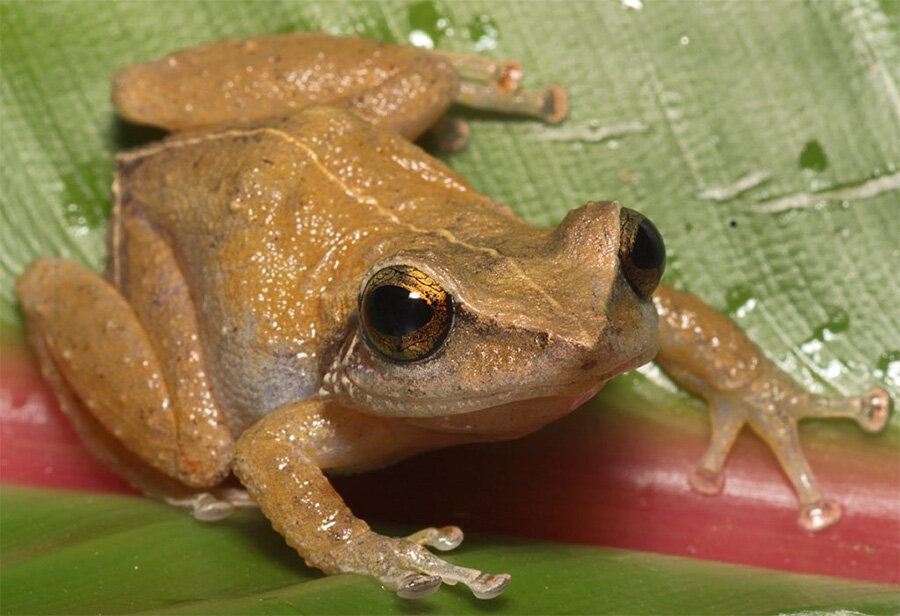
The bright chirp of the coquí frog, the national symbol of Puerto Rico, has likely resounded through Caribbean forests for at least 29 million years. The photo of the coquí above is courtesy of PBS. A new study published in Biology Letters describes a fragmented arm bone from a frog in the genus Eleutherodactylus, also…
-
A new fossil from Brazil hints at the origins of the mysterious tanystropheid reptiles
posted on
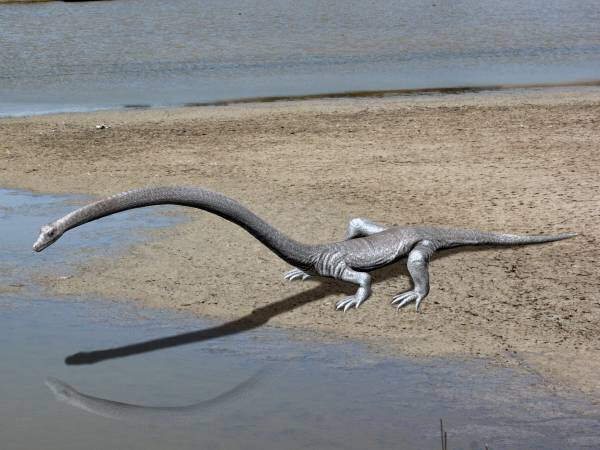
Above is a reconstruction of Tanystropheus longobardicus Tanystropheus was a 6-meter reptile that dated from the Middle Triassic. It is extremely distinctive due to its elongated neck, which measured 3 m long—longer than its body and tail combined. The neck was composed of 12–13 extremely elongated vertebrae. With its very long but relatively stiff neck, Tanystropheus has…

SerpentResearch.Com
Amphibians, Reptiles, & Natural History





You must be logged in to post a comment.