-
Genomic Insights into Snake Body Size
posted on

Body size is a critical trait that influences an animal’s physiology, behavior, and ecology. However, the molecular mechanisms underlying its evolution remain poorly understood, particularly in snakes. Snakes exhibit a remarkably wide range of body sizes and considerable ecological adaptability. Xia et al. (2025) found that among snake species, the maximum body mass exceeds the…
-
The Banded Krait is composed of multiple lineages
posted on
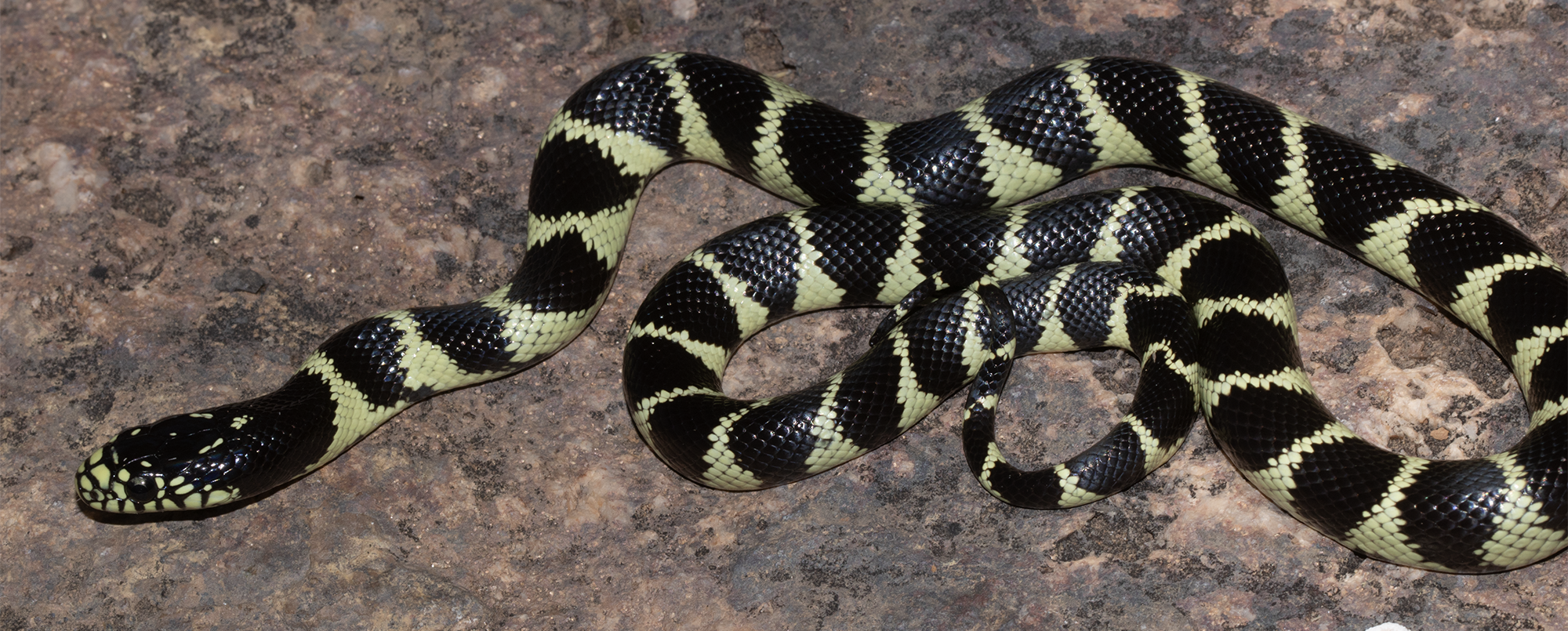
The kraits in the genus Bungarus, are venomous elapid snakes which inhabit the Asian subcontinent. Most members of the genus are poorly studied, However, recent study on the diversification and evolution of elapid snakes suggests kraits evolved 30–25 million years ago, and are close relative of other Australasian elapid genera and the sea snakes (Lee…
-
The Giant Whiptail
posted on
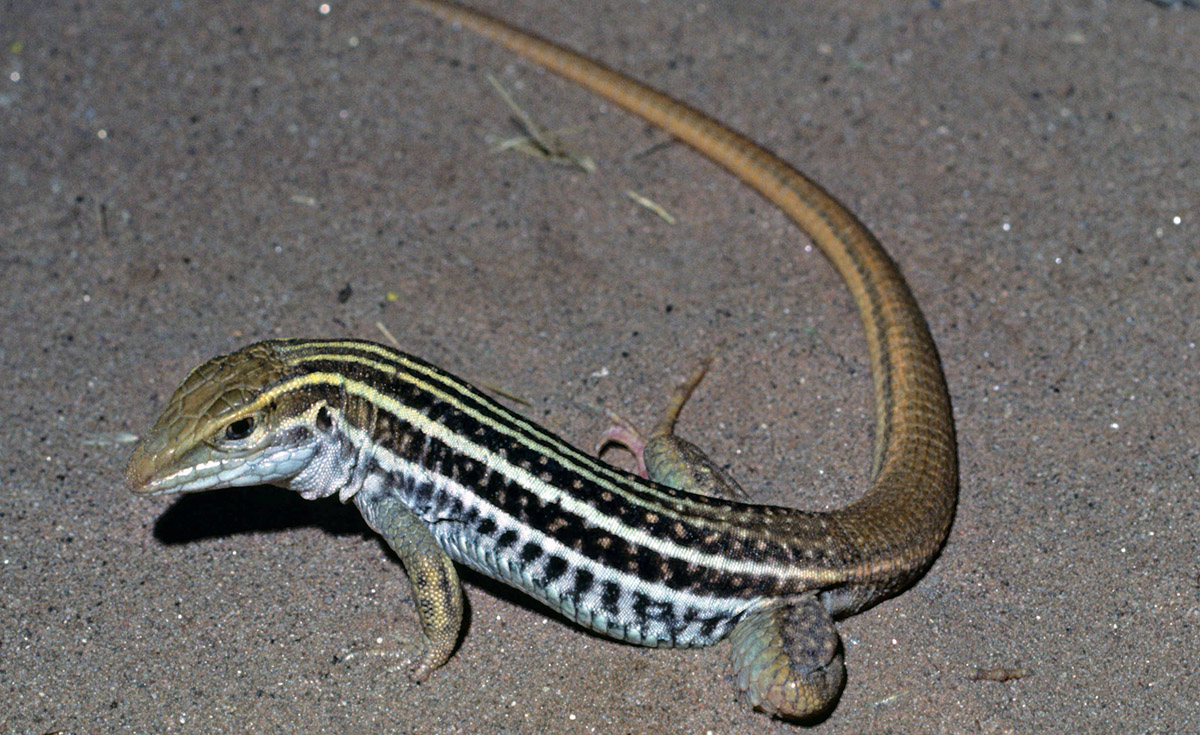
The species show considerable ontogenetic changes and while juveniles and young adults are striped, older adults lose the stripes are spotted.
-
African Water Snake added to phylogeny
posted on

African water snakes of the genus Lycodonomorphus (Family Lamprophiidae) are widespread, abundant and presumably an important component of many aquatic and semiaquatic food webs. These snakes are poorly understood taxonomically, particularly from a phylogenetic perspective. With only four of the nine species currently sequenced, this study attempts to improve our understanding of the evolutionary relationships…


SerpentResearch.Com
Amphibians, Reptiles, & Natural History





You must be logged in to post a comment.