-
Genomic Insights into Snake Body Size
posted on

Body size is a critical trait that influences an animal’s physiology, behavior, and ecology. However, the molecular mechanisms underlying its evolution remain poorly understood, particularly in snakes. Snakes exhibit a remarkably wide range of body sizes and considerable ecological adaptability. Xia et al. (2025) found that among snake species, the maximum body mass exceeds the…
-
New snake species described in 2024. Part 1.
posted on
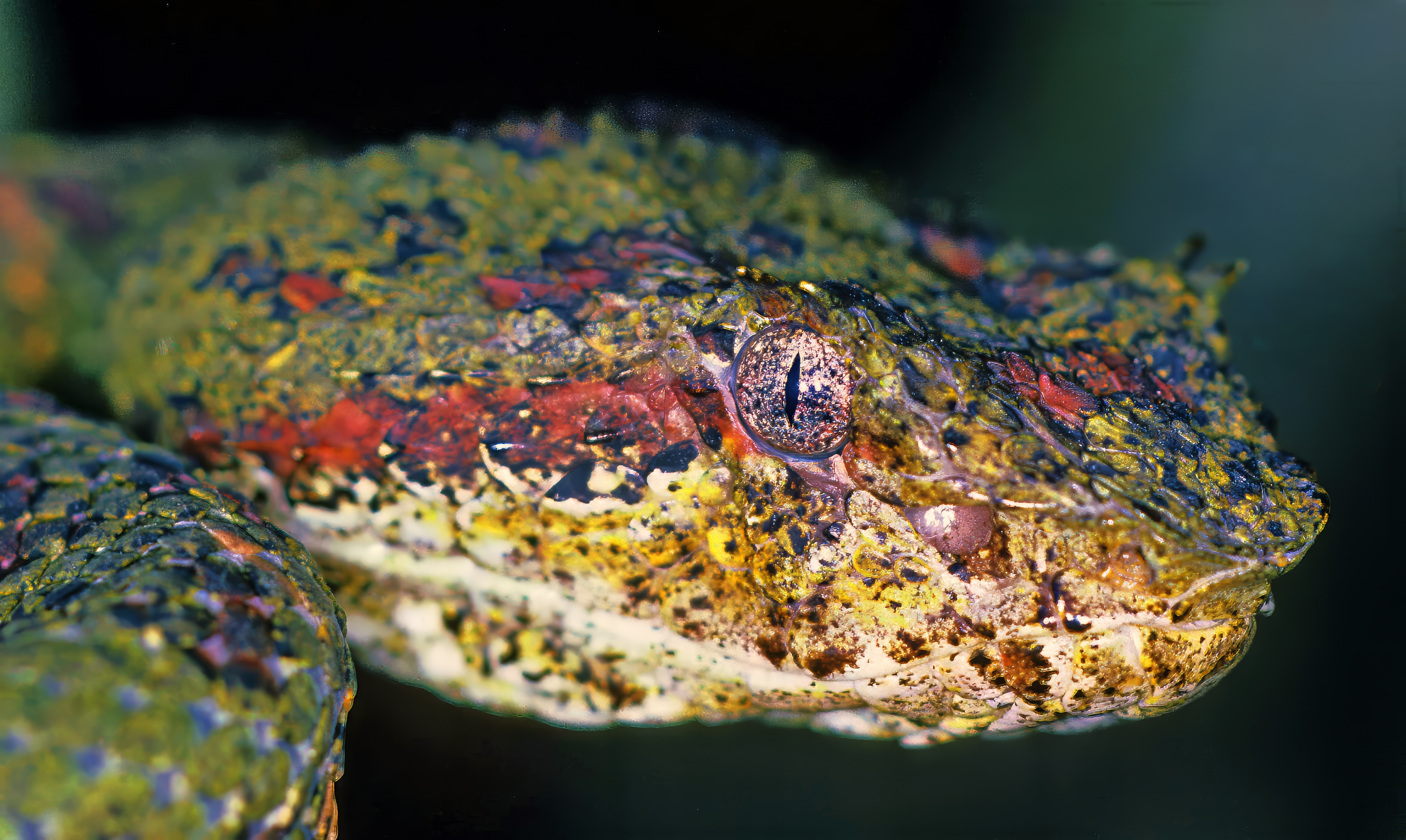
In 2024, 33 species of new snakes were described. In previous years, 51 snakes were described in 2023, 48 in 2022, 66 in 2021, and 68 in 2020. Here is a summary for 2024. A new species of Achalinus (Xenodermatidae) described from southwest Hunan Province, China. This new species is genetically distinct amongst its congeners with…
-
The Controversy Over a Second Species of Giant Anaconda
posted on

The Green Anaconda, Eunectes murinus, has long been Amazonia’s most iconic animal. It is widely regarded as the largest snake in existence. However, in a groundbreaking development, Rivas et al. published a paper in February 2024, unveiling a second species of giant anaconda, Eunectes akajima. This discovery, while not entirely unexpected due to the cryptic nature…
-
Aquatic Snakes, Diversity and Natural History
posted on

This book is available as a high quality PDF on the Herpetological Conservation International website. Aquatic Snakes, Diversity and Natural History covers about 420 snake species with text written by over a dozen co-authors and images supplied by about 120 photographers. The book is currently available as a PDF and will eventually be available as…
-
The Rapid Evolution of Snakes
posted on

About 128 million years ago, a surge of adaptation caused snakes to explode in diversity and evolve up to three times faster than lizards. Since they initially descended from lizards, snakes were minor ecological players that slithered around the periphery of ecosystems dominated by dinosaurs more than 100 million years ago. But now, there are…
-
Ontogenetic shift in the venom composition of the Mexican Black-tailed Rattlesnake
posted on

We detected clear ontogenetic venom variation in C. m. nigrescens. Venoms from younger snakes contained more crotamine-like myotoxins and snake venom serine proteinases than venoms from older snakes…
-
A new genus and species of snake from the Lost World (Guyana)
posted on

The Pantepui is a remote, biodiverse region made famous by Arthur Conan Doyle’s novel, The Lost World. In a recent article, Kok and Means (2023) describe the new species, Paikwaophis kruki (Dipsadidae: Xenodontinae). It was recently collected in the Pantepui cloud forest that sits at the base of the steep cliffs of Roraima-tepui and Wei-Assipu-tepui…
-
3FTx in four species of colubrid snakes
posted on
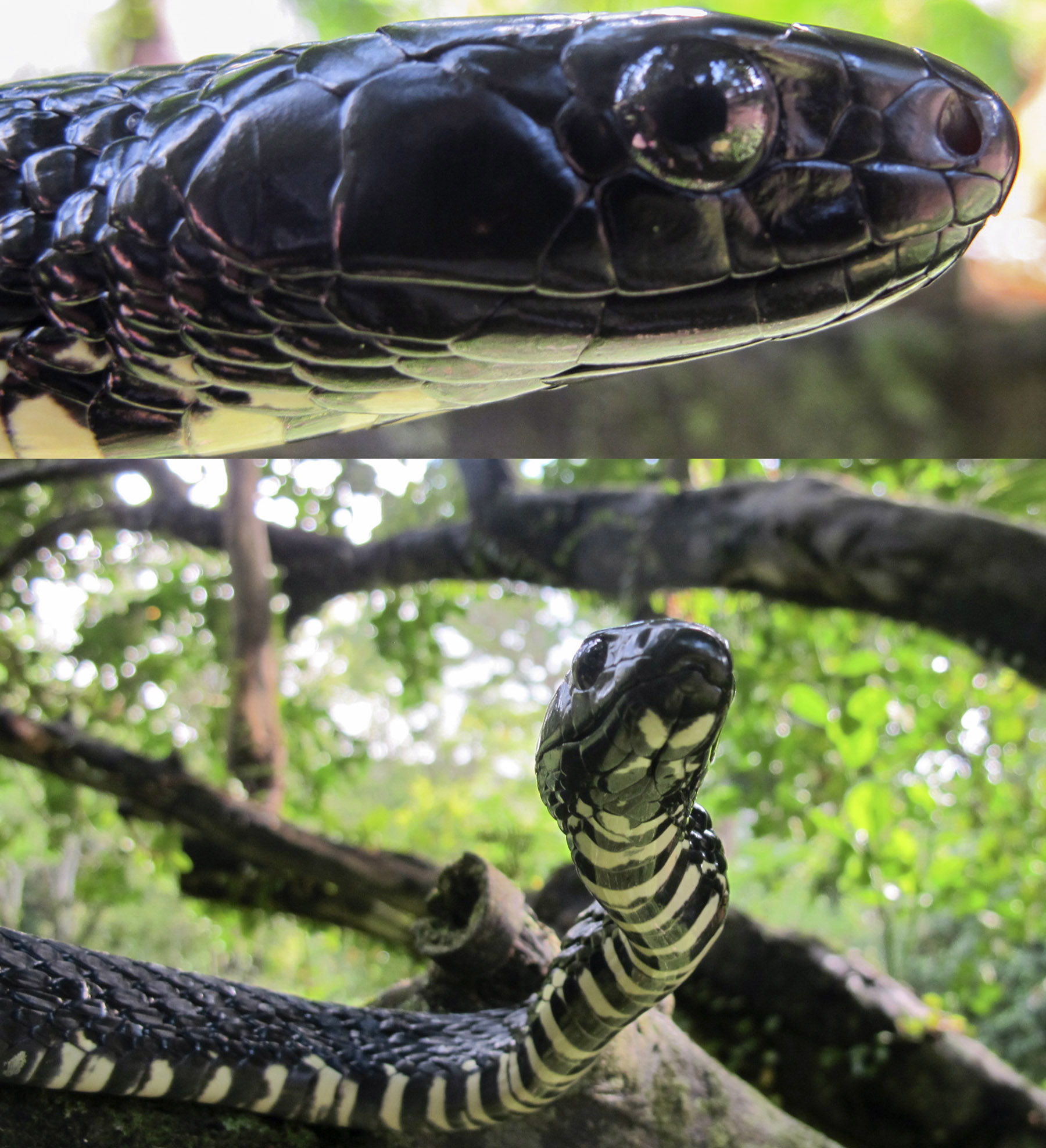
By conducting gene tree reconstructions of 3FTxs, the researchers uncovered intriguing evidence of potentially novel heterodimers within the genetic sequences of Chironius multiventris and Oxybelis aeneus.
-
Social Western Diamondbacks
posted on

Social behavior in snakes is under-studied and, as a result, poorly known. Using social network analysis, Tetzlaff et al. (2023) examined social behavior in the Western Diamondback Rattlesnake, Crotalus atrox, from 2001 to 2015. They used behavioral observations via radiotelemetry and genotypic data from a long-term (>10 years) study of the Western Diamondback Rattlesnake.
-
Time to first shed
posted on

An intriguing example is the puff adder (Bitis arietans), which sheds its skin shortly after birth. These viper species use chemical camouflage to evade detection by predators. Although their shed skin is easily detectable, these snakes move to new locations immediately after shedding to maintain camouflage.
-
The Kingsnake and the Rattlesnake – predator and prey
posted on
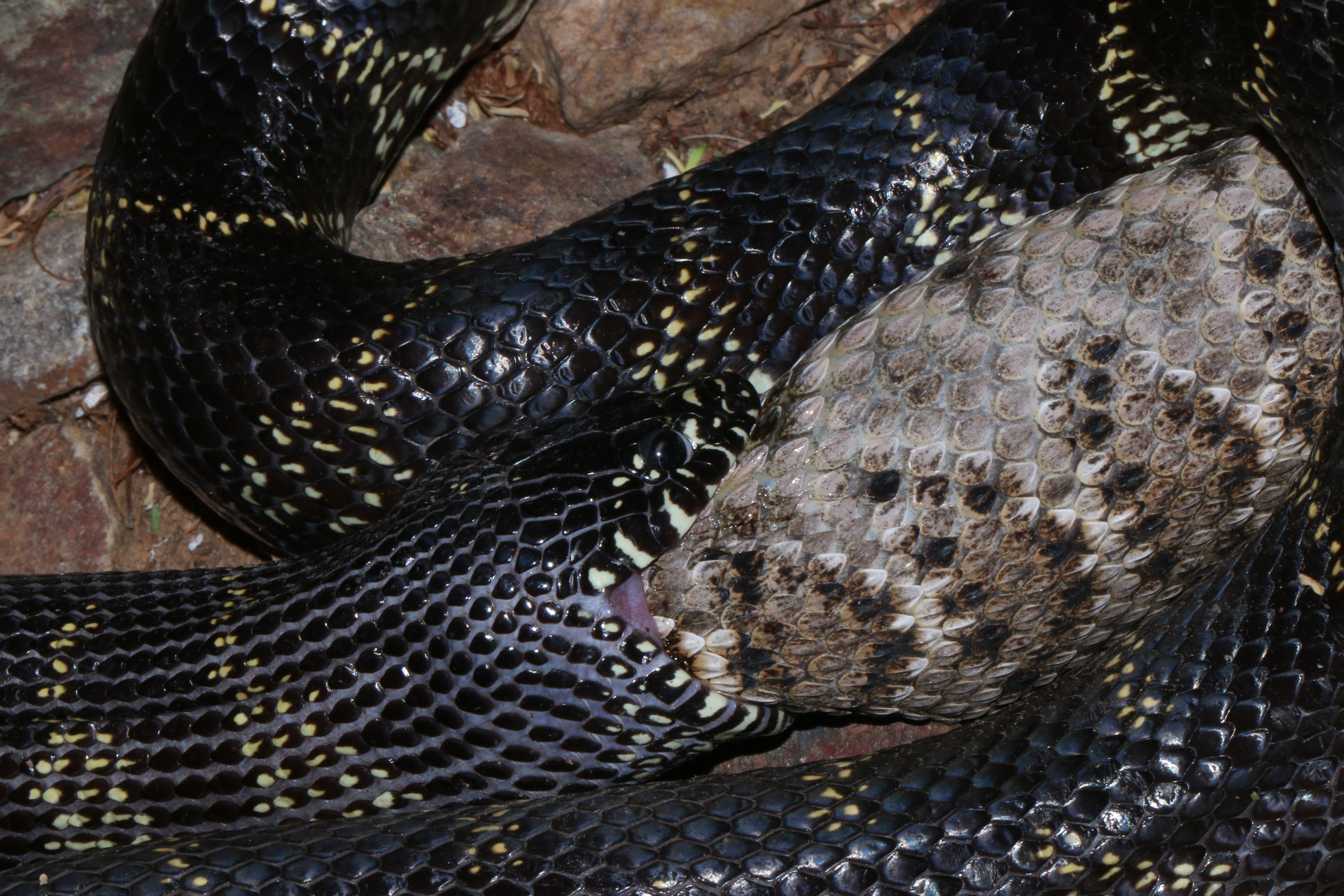
The feeding behavior of kingsnakes preying on rattlesnakes is a well-known example of a predator-prey relationship among snakes. Recently, my neighbor drew my attention to what he believed to be a snake coiled up near a sidewalk. Upon closer examination, I discovered that there were two snakes present. One was a typically patterned Green Valley…
-
Florida Pine Snake, movement & ecology
posted on
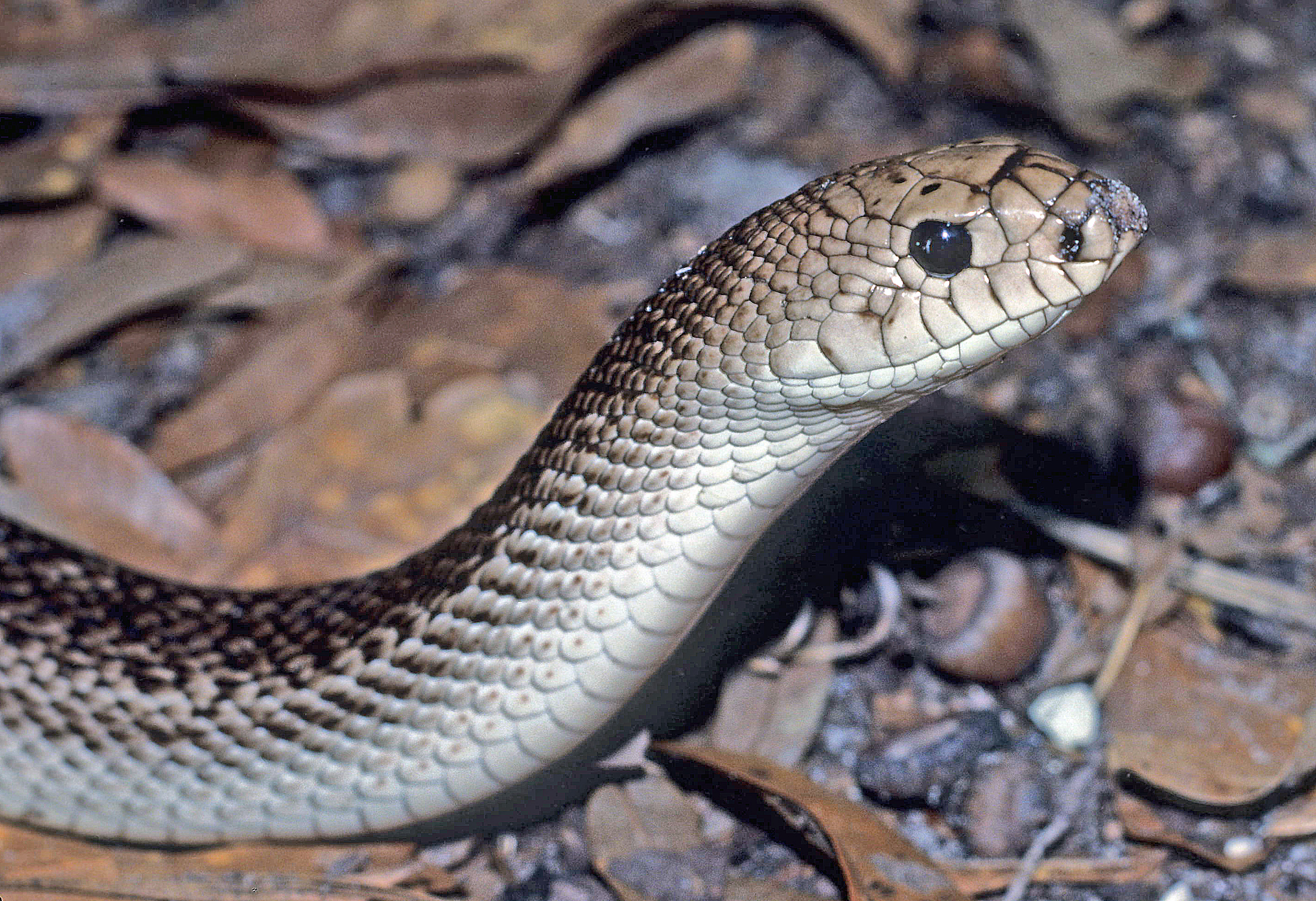
Studying organism movement patterns can offer valuable insights into species ecology and evolution. Various methods, including radio telemetry, have revealed links between movement patterns and landscape use, antipredator behavior, life history, response to human impact, gene flow, and ecosystem function. Nevertheless, researchers have found unexpected variations in animal movement patterns that persist across different spatial…
-
Hearing in Snakes
posted on

Snakes are usually thought of as deaf. But they are not. While they lack external ears, they have sound receptors.
-
Terciopelo’s diet shift from juvenile to adult
posted on

The diet of Bothrops asper changes with age. Young individuals feed on amphibians, centipedes, reptiles, and mammals. Older individuals specialize in mammals.
-
Two more snake species that use autohemorrhaging
posted on
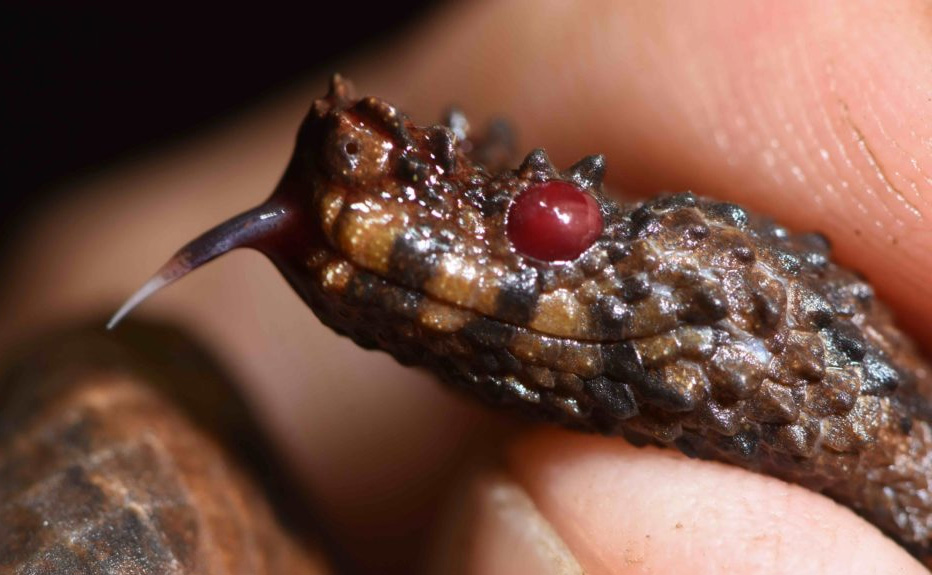
Autohemorrhaging means an animal breaks blood vessels and releases blood at will. Often it is associated with stressful situations It has also been called reflexive bleeding. It is perhaps best known in horned lizards of the genus Phryanosoma. In horned lizards it is triggered by encounters with canid predators. Rödel et al. (2023) reports autohemorrhaging…
-
Snakes in urban habitats
posted on

Urbanization changes landscapes, often simplifying and homogenizing natural ecosystems while introducing novel environments. Although this transformation often adversely impacts native wildlife, generalist species that exhibit broad dietary and habitat requirements can persist and exploit urban environments. To understand which life history traits most influence the occurrence of a diverse snake assemblage in an urban environment,…
-
The invasive Green Whipsnake threatens vulnerable squamates in Switzerland
posted on
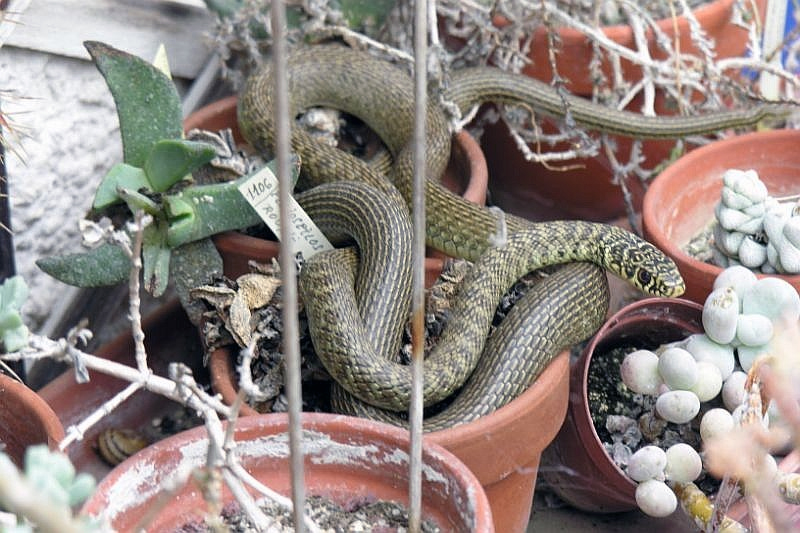
An invasive snake threatens vulnerable snakes and lizards in Switzerland
-
Atlantic Forest Bushmasters
posted on
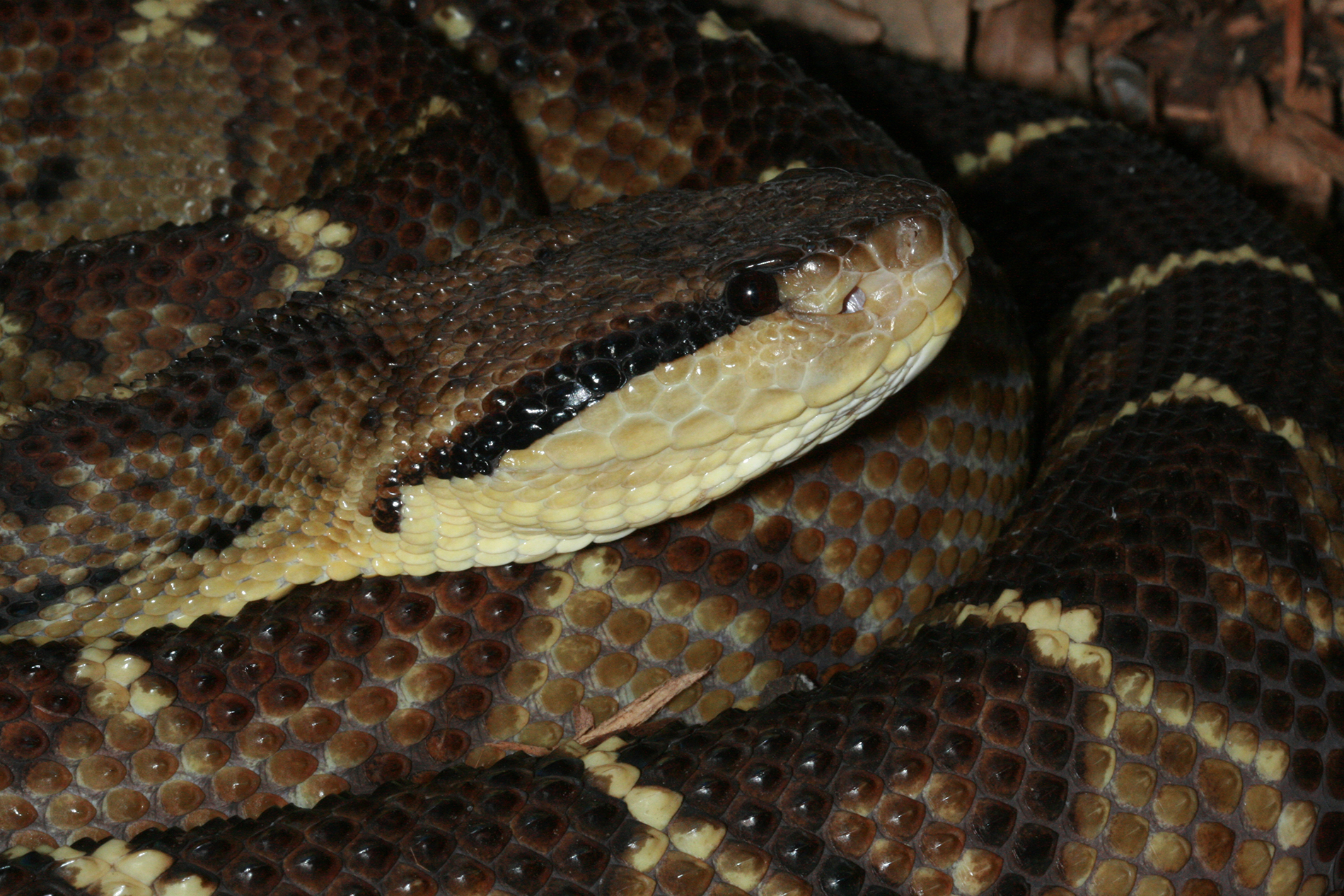
They are the largest pit-vipers and the only oviparous pit- vipers in the western hemisphere.
-
The Banded Krait is composed of multiple lineages
posted on
The kraits in the genus Bungarus, are venomous elapid snakes which inhabit the Asian subcontinent. Most members of the genus are poorly studied, However, recent study on the diversification and evolution of elapid snakes suggests kraits evolved 30–25 million years ago, and are close relative of other Australasian elapid genera and the sea snakes (Lee…
-
Snake Removal in Urban Arizona
posted on

A home-owner encountering a rattlesnake in their yard, garage, or house can be un-nerving. As people build more houses in the Sonoran Desert, this kind of encounter becomes more frequent. In a recent paper, Batemen et al. (2022) analyze snake removals in a social-ecological context and it underscores the conservation benefits of researchers partnering with…
-
Malayopython reticulatus has colonized Puerto Rico
posted on
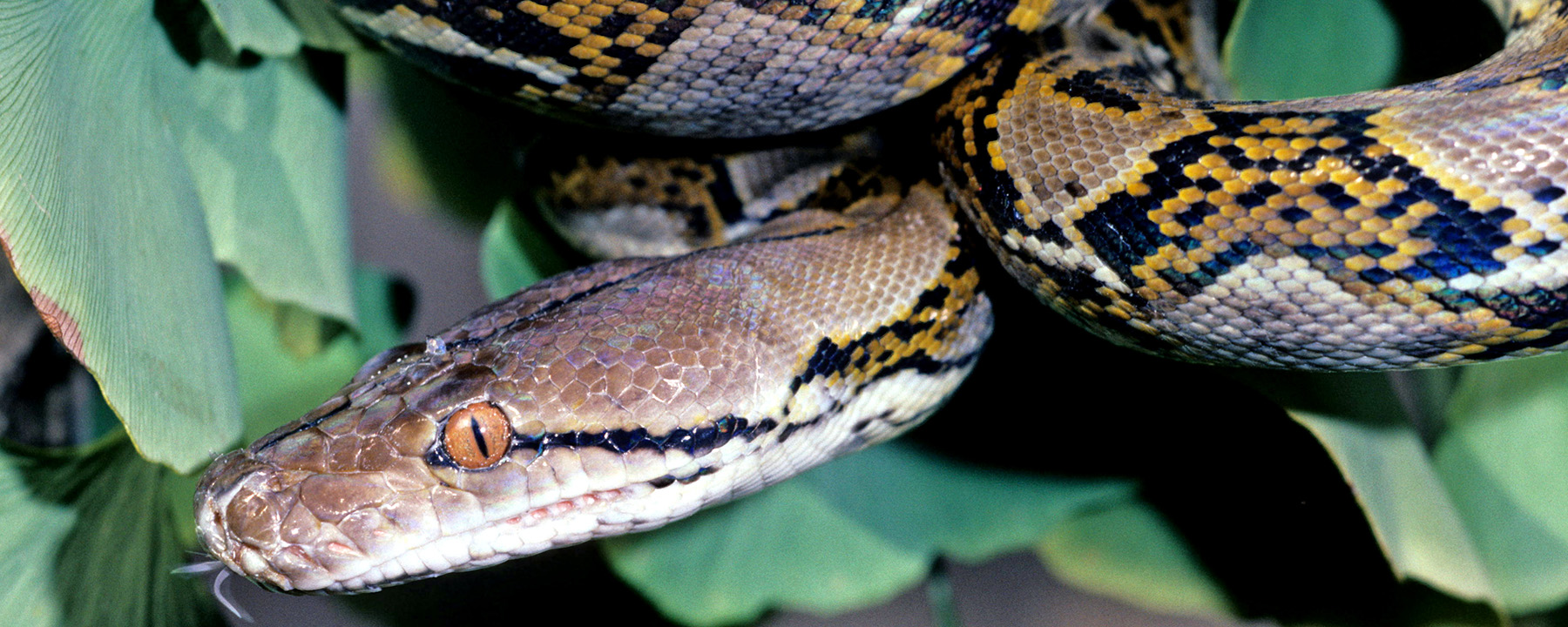
A Fox News story in 2015, stated authorities in Puerto Rico caught a 3.6-meter, 70 pound Burmese Python in a river in the northern coastal town of Manati. Puerto Rico also has an introduced population of Boa constrictors, and it appears that Reticulated Pythons, the longest snake, and one that occasionally preys on humans, is…
-
The 2022 Python Challenge is Underway in Florida
posted on

The Florida Everglades supports a variety of native animals but over the years the pet trade and keepers of exotic animals have introduced a variety of invasive species including birds, mammals, fish and reptiles. The invasive Burmese python does not belong in Everglades ecosystem and pose a threat to native wildlife. The Florida Python Challenge billed as…
-
African Water Snake added to phylogeny
posted on

African water snakes of the genus Lycodonomorphus (Family Lamprophiidae) are widespread, abundant and presumably an important component of many aquatic and semiaquatic food webs. These snakes are poorly understood taxonomically, particularly from a phylogenetic perspective. With only four of the nine species currently sequenced, this study attempts to improve our understanding of the evolutionary relationships…
-
Vocalization in the snake Dipsas catesbyi
posted on
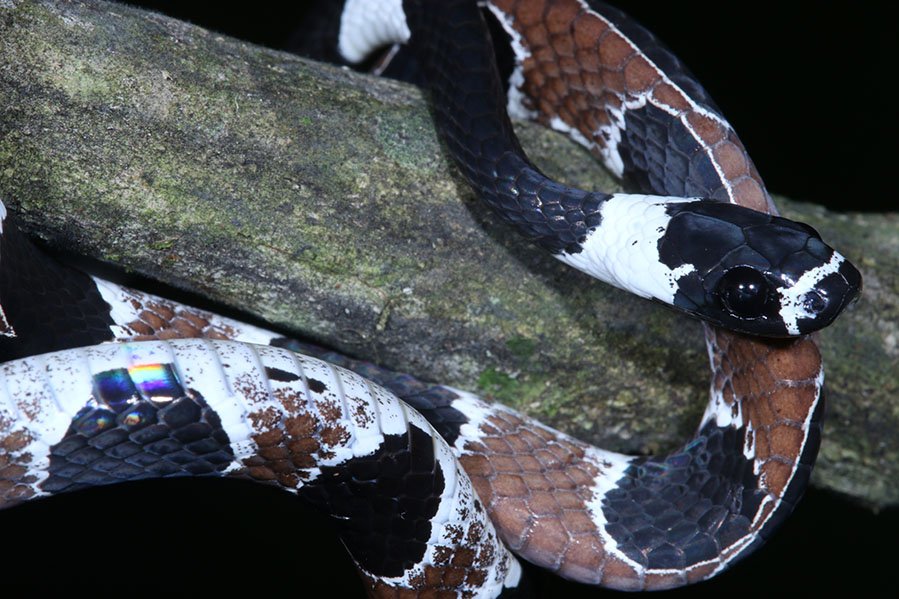
Dipsas catesbyi has been recorded making a vocalization. It is not a hiss. Do some snakes communicate with sound?
-
The Green Rat Snake contains candidate species
posted on

A new paper in Herpetology and Ichthyology finds the Green Rat Snake likely contains multiple species level clades.
-
How many species of king cobras are there?
posted on

The King Cobra is thought of as a single wide spread species, but a recent paper published in MPE suggests it is at least four species.
-
Hot snakes at hot springs
posted on
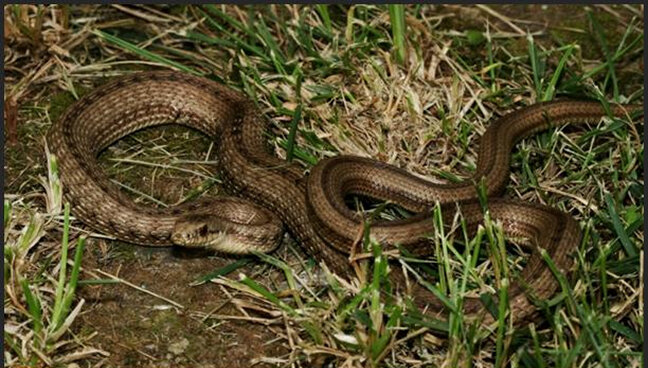
Hot-spring snakes of the genus Thermophis are unique – they are one of the few eastern hemisphere members of the family Dipsasidae – all of the others reside in the western hemisphere, and they are the only snakes that live at elevations up to 4900 m ASL. Living in such extreme habitats requires physical and…
-
Proximity between Russell’s Viper and People in Rural India
posted on
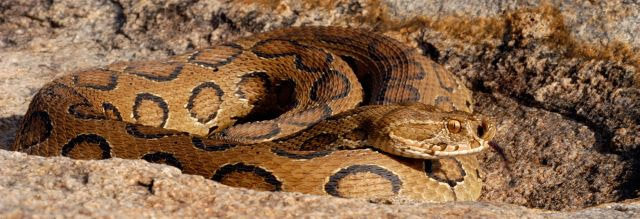
Russells Viper, Bannerghatta, India. Saleem Hameed <saleemham at rediffmail.com>, CC BY 2.5 <https://creativecommons.org/licenses/by/2.5>, via Wikimedia Commons
-
New skulls and skeletons of the Cretaceous legged snake Najash
posted on
Najash is an extinct genus of basal snakes from the Late Cretaceous (Candeleros Formation) of Patagonia. Some modern snakes retain traces of hind legs – boas, pythons, leptotyphlopids, and others. Some Cretaceous snakes also had hindlimbs or remnant hindlimbs, but Najash is unusual in having well-developed legs that extend outside the rib cage as well…
-
A new genus for the snake Erythrolamprus problematicus
posted on
Arcanumophis problematicus from Santo Domingo, Peru. Photographs by A. Catenazzi. The snake Liophis problematicus was described as a new species by Myers in 1986. The holotype was collected at 1520 m on the Amazonian side of the Andes in the Department of Puno in extreme southeastern Peru. This is a very small snake, an adult male…
-
Snake pattern evolution
posted on
Color patterns of snakes have been the subject of many studies and even more speculation. Why is it that some species are uniform in color, while others are striped, banded, or some other combination of patterns. Allen and colleagues (2013) note that an understanding of the diversity of color patterns found in snakes requires detailed…
-
Hormone Triggers Production of Sex Pheromones in Thamnophis
posted on
. Garter snake dens in the Interlake region of Manitoba, Canada, are the scene of a mating frenzy each spring and provide an opportunity for researchers to work out the mechanisms by which snake’s choose their mates. The following is based upon an article published in The Journal of Experimental Biology that experimentally demonstrates that…
-
Snake Venom Forensics
posted on
In the science fiction classic Blade Runner, Harrison Ford’s character Rick Deckard tracks down a replicants (synthetic humans) using a scale from an artificial snake. The planet has been turned into a sewer, and most of its life forms other than humans have been obilterated. While we have not quite reached the level of environment…
-
A 1973 Death from a Sistrurus catenatus Bite Recounted
posted on
An article in TheDailyNews.com (New York) recounts the 1973 death of a man from the bite of an eastern massasauga. HIDDEN HISTORY: Snake bite kills man in Bergen swamp, 1973 By Mark Graczyk The Bergen Swamp Wildlife Area is a swamp and nature preserve located within the towns of Bergen and Byron. It’s a wonderful spot…

SerpentResearch.Com
Amphibians, Reptiles, & Natural History





You must be logged in to post a comment.