World Snake Day

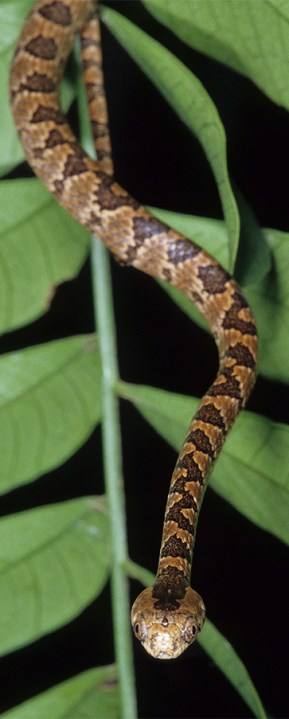
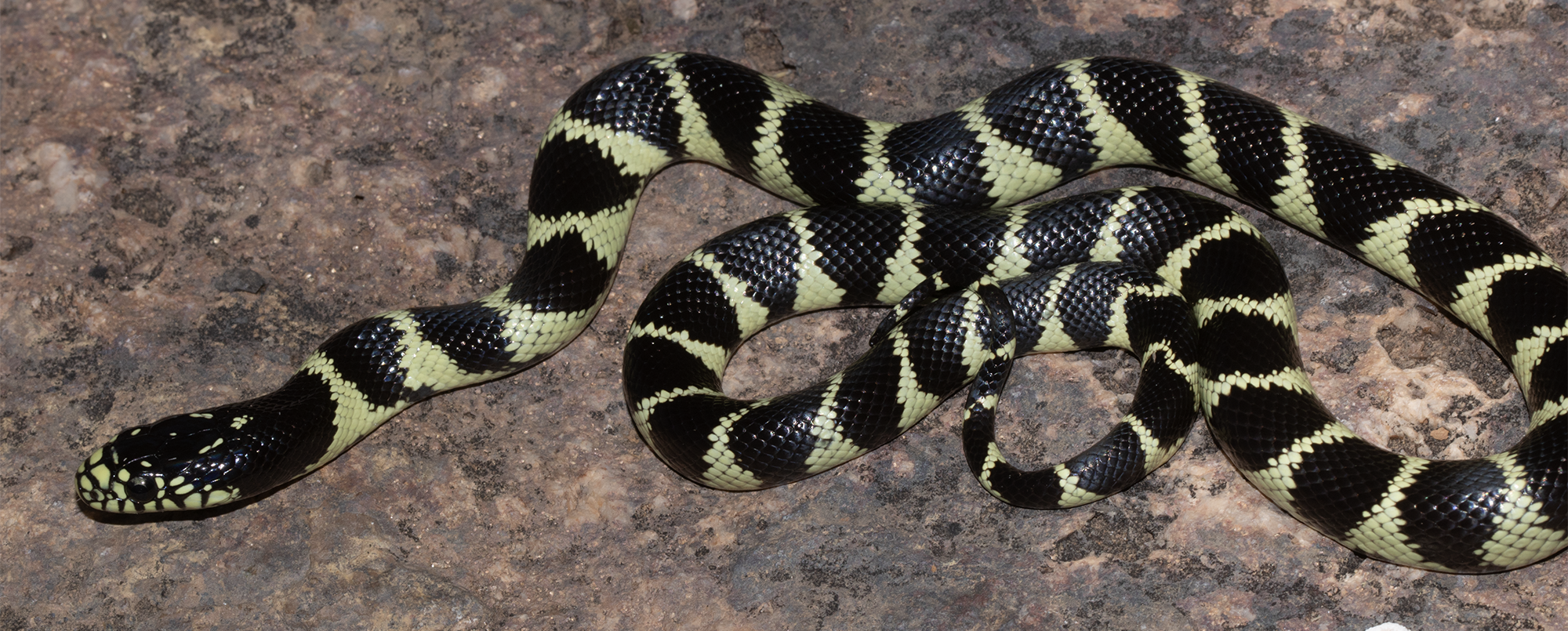
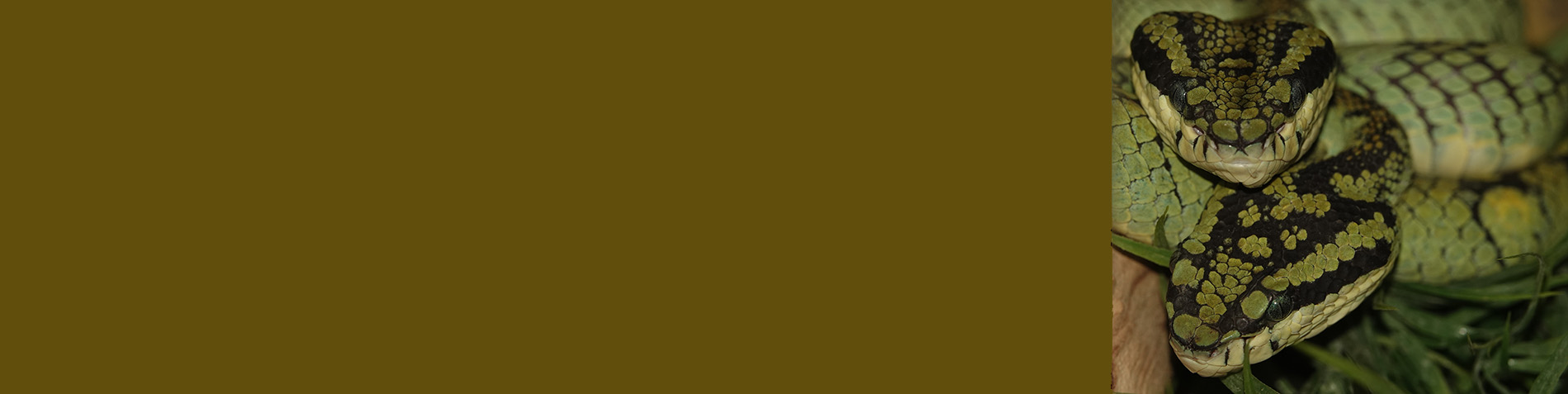
July 17 is World Snake Day. Snakes play varied roles in human lives. Snakes are powerful symbols in cultures around the world. Snakes are important in the food webs of many ecosystems. Snakes provide important clues to understanding the evolution of tetrapods. Snakes contain the keys to producing many new pharmaceutical products that will improve human health. But snakes are threatened by habitat loss, pollution, and excessive harvesting. Also, humans consume snakes for food and traditional medicine. Expanding human appreciation for snakes and, their ecosystems is necessary if many species are going to survive the century.

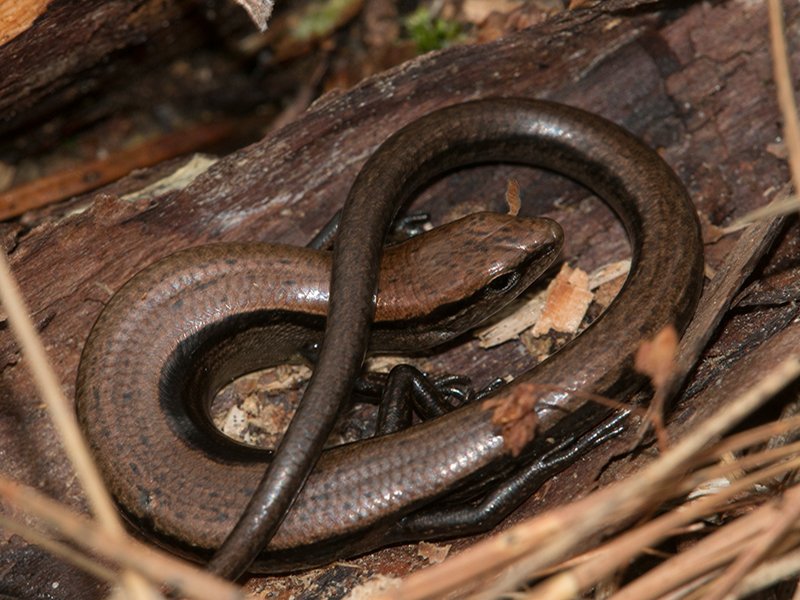
World Lizard Day

August 14 is World Lizard Day . Lizards are both predators and prey, making them an important link in the food chains in the ecosystems they live in. Most feed on insects and some are strict herbivores. They in turn, are eaten by snakes, birds, and carnivorous mammals. Lizards have been around for more than 250 million years. They typically live in the tropics and temperate regions of the world in forests, shrublands, grasslands, and deserts. Lizards can also be fossorial and live most of their lives underground. Because snakes evolved from lizards, technically snakes (all snakes) are lizard. But of course, all lizards are not snakes – not even many of the species that have lost their limbs.

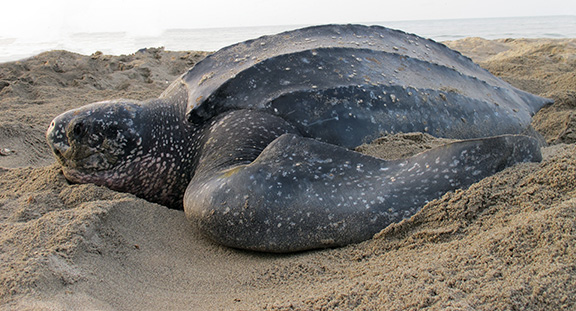
World Turtle Day

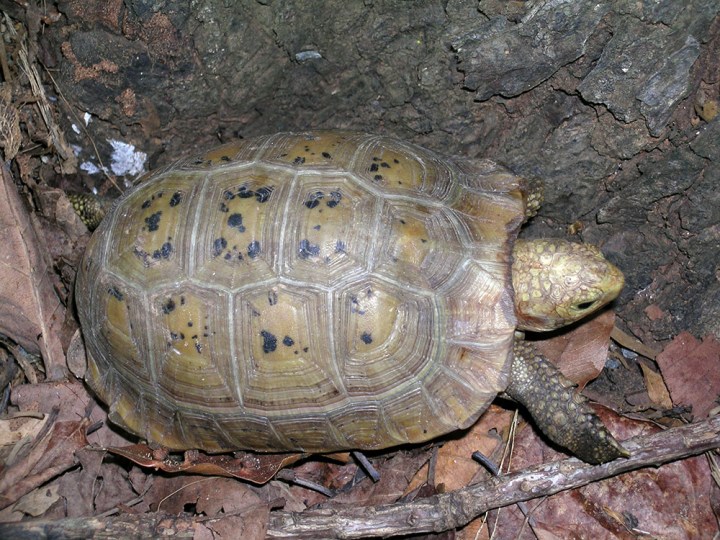
World Turtle Day is May 23 of each year and is sponsored by American Tortoise Rescue. The day was created as a yearly observance to help people celebrate and protect turtles and tortoises and their disappearing habitats, as well as to encourage human action to help them survive and thrive.

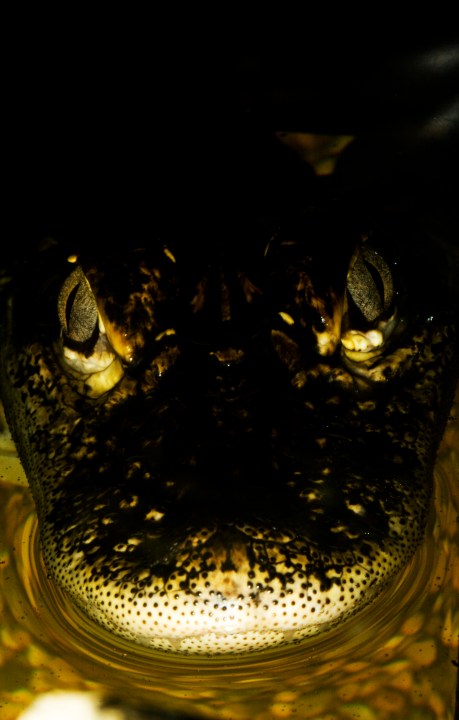
World Croc Day

June 17th is World Croc Day  and highlights the plight of the world’s 23 species of crocodilians (crocodiles, alligators, and gavials)..

The World of Squamata

The Squamata form a clade because they all shared an ancestor. Squamata are the lizards and snakes. Lizards include the amphisbaenians – which are highly specialized for life underground. Of the approximately 11,000 species of squamates, more than 7100 are considered lizards and they are organized into about 44 families. Lizards most have four well-developed limbs. Nevertheless, some are limbless, some have two limbs, some have none, and many have greatly reduced limbs. Most lizards are terrestrial or arboreal, although a few are subterranean or semi-aquatic, and one species enters the ocean to feed. Global distribution includes all continents except Antarctica.
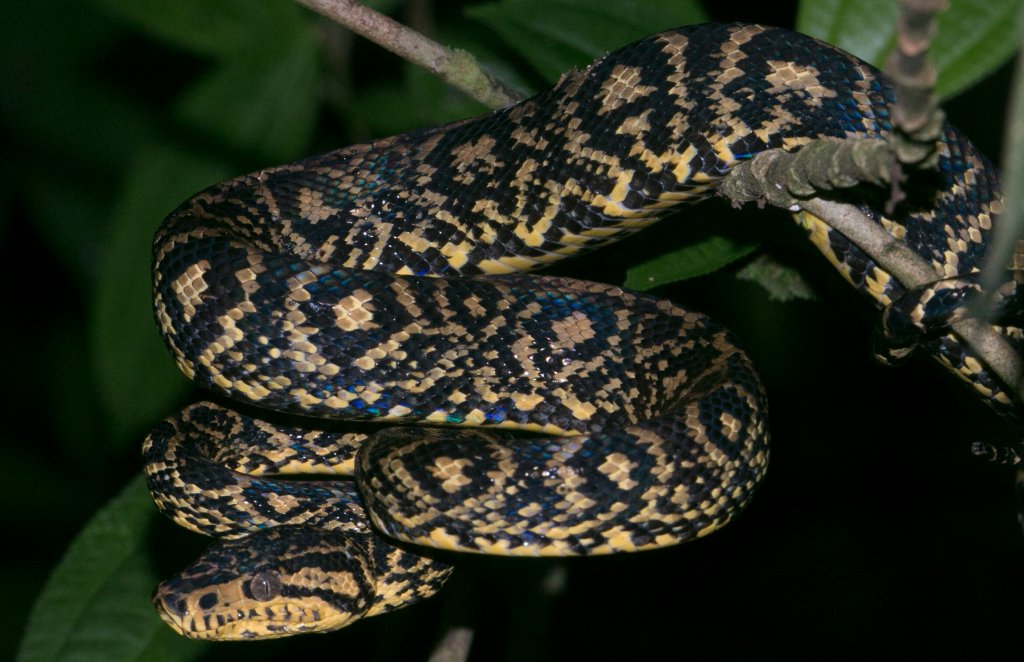
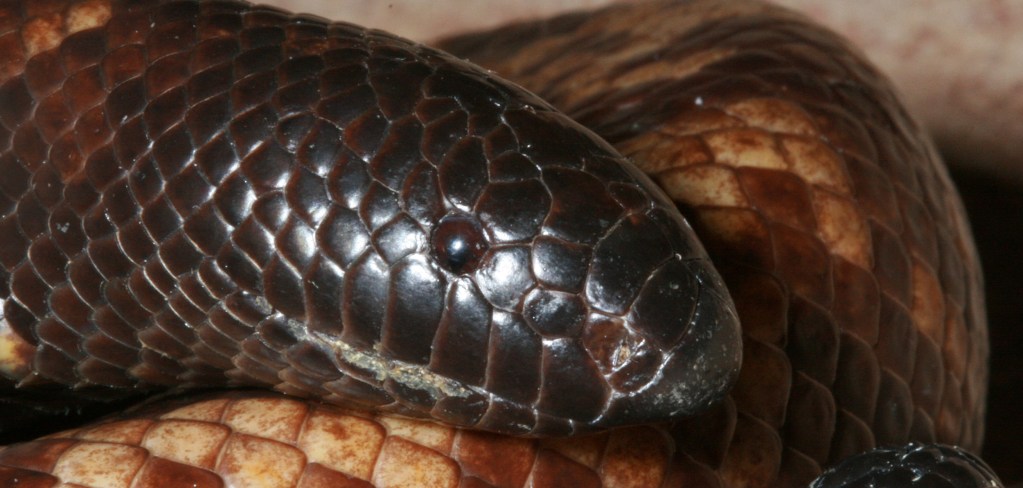
The Ruschenburger’s Treeboa that spends much of its life in the treetops and feeds mostly on mammals.
The West African Burrowing Boa, spends much of its time underground.
The semi-aquatic Checkered Keelback is in ands out of the water many times each day, .

So, some snakes are adapted for an arboreal lifestyle, others spend much of their life underground, and some spend much of their life in the water.
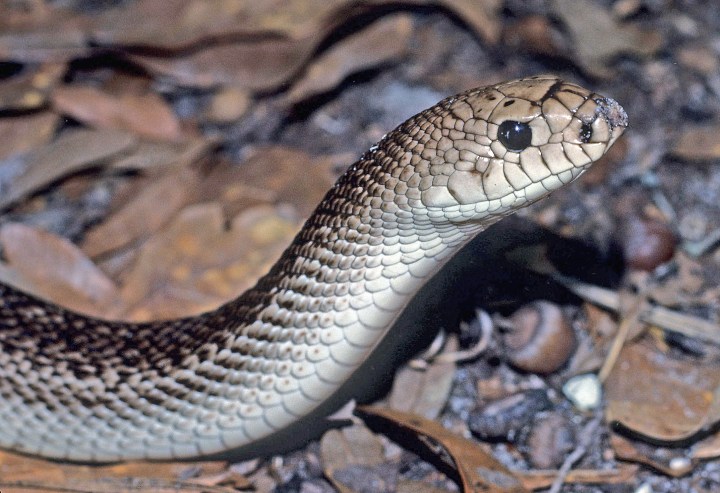
Pituophis melanoleucus mugitus
Others spend time on the ground and below the surface. A Florida Pine Snake. JCM

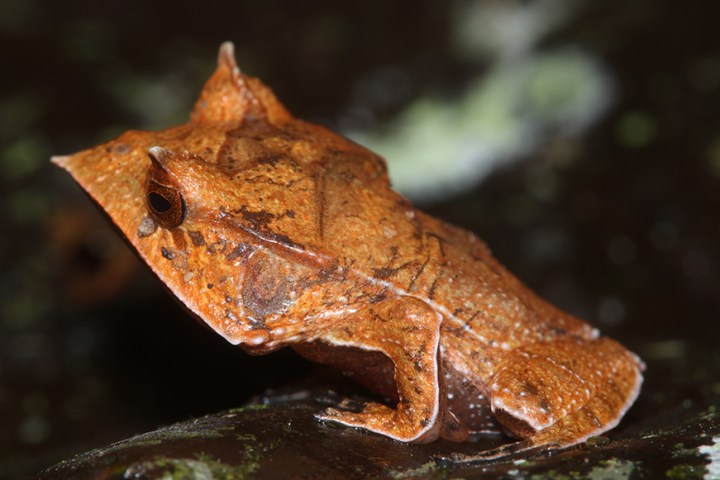
Amphibians include Frogs, salamanders, and the legless caecilians. They are more dependent on water and wet habitats than reptiles. Most have an aquatic larval stage.Their embryos also lack an amnion, allantois, and a yolk sac membranes.

Reptiles include lizards, snakes, turtles, crocodilans, and the tuatara. Their embryos are contained in a land egg with an amniotic sac, allantois, and a yolk sac membranes.