-
The Genome of the Guatemalan Beaded Lizard
posted on
Guatemalan Beaded Lizards are known only from the arid regions of the upper Motagua Valley in eastern Guatemala. The isolated desert habitats in this region are surrounded by mountains covered with humid forests, a habitat foreign to this species. The desert patches experience a short but intense annual rainy season, followed by a very long…
-
Lizards & Climate Change
posted on
Lizards and Climate Change Temperature is an important factor affecting biological processes in all forms of life. For example, geographical distribution, the speed of enzyme actions, muscle contractions, defense behavior, foraging performance, and reproduction are all impacted by temperature. Therefore it is not surprising that global warming is equal to habitat loss as the most…
-
The Banded Krait is composed of multiple lineages
posted on
The kraits in the genus Bungarus, are venomous elapid snakes which inhabit the Asian subcontinent. Most members of the genus are poorly studied, However, recent study on the diversification and evolution of elapid snakes suggests kraits evolved 30–25 million years ago, and are close relative of other Australasian elapid genera and the sea snakes (Lee…
-
Viral video reveals entire alligator inside Burmese python’s stomach in Florida
posted on

The following was slightly edited from Natalie Neysa Alund’s article in USA TODAY This 18-foot python caught by workers in the Everglades National Park in Florida was euthanized and during a necropsy, scientists found a whole, 5-foot alligator in its stomach. An intact 5-foot long alligator has been found inside the stomach of Burmese python…
-
Global Wildlife Summit in Panama
posted on
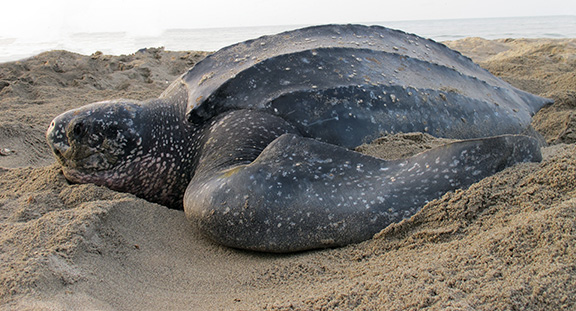
Human demand for shark fin soup, particularly in East Asia, has threatened shark populations Joseph Prezioso AFP/File Panama City (AFP) – The trade in shark fins, turtles, and other threatened species will come under scrutiny at a global wildlife summit in Panama, starting Monday, that will also focus on the spread of diseases such as…
-
The Giant Whiptail
posted on
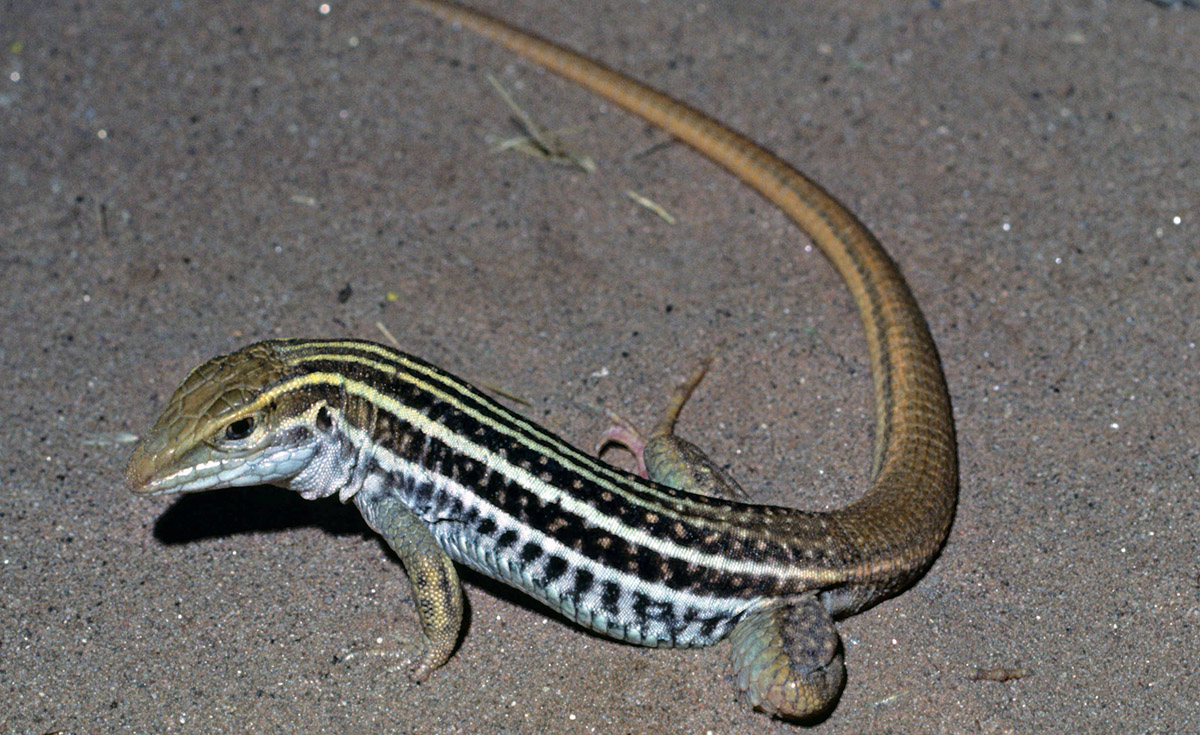
The species show considerable ontogenetic changes and while juveniles and young adults are striped, older adults lose the stripes are spotted.
-
Invasive Lizards in Florida, and why are there so few in Arizona
posted on
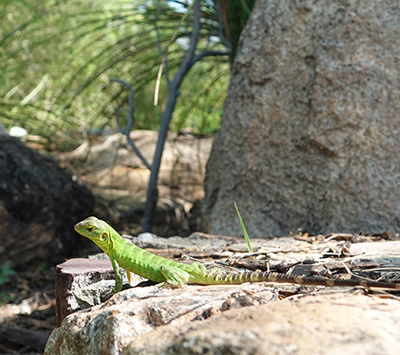
In 2020 I was visiting friends in southern Florida. They picked me up at the Fort Lauderdale-Hollywood International Airport, and within a few minutes, we were headed south. Looking out the car window, I was astonished to see a Brown Basilisk Lizard, Basiliscus vittatus, trying to walk across the freeway. The lizard was a species…
-
Snake Removal in Urban Arizona
posted on

A home-owner encountering a rattlesnake in their yard, garage, or house can be un-nerving. As people build more houses in the Sonoran Desert, this kind of encounter becomes more frequent. In a recent paper, Batemen et al. (2022) analyze snake removals in a social-ecological context and it underscores the conservation benefits of researchers partnering with…
-
Malayopython reticulatus has colonized Puerto Rico
posted on
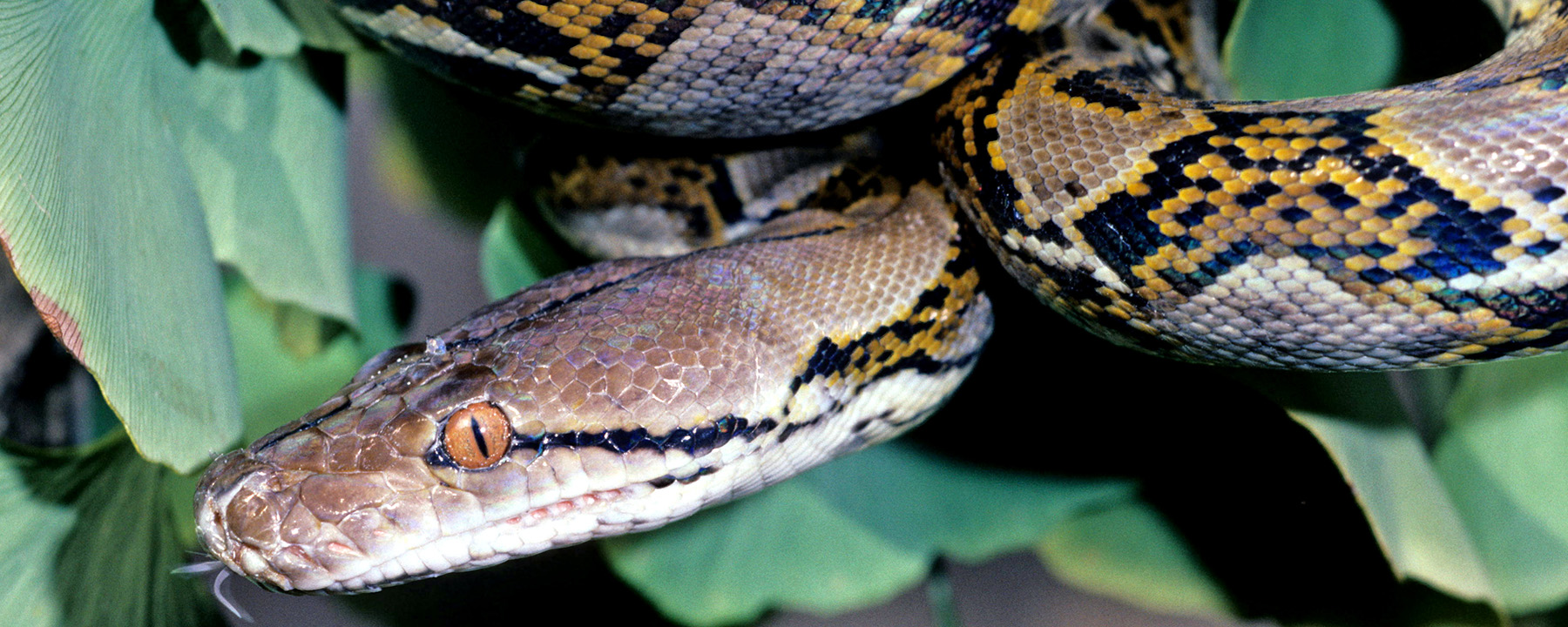
A Fox News story in 2015, stated authorities in Puerto Rico caught a 3.6-meter, 70 pound Burmese Python in a river in the northern coastal town of Manati. Puerto Rico also has an introduced population of Boa constrictors, and it appears that Reticulated Pythons, the longest snake, and one that occasionally preys on humans, is…
-
The 2022 Python Challenge is Underway in Florida
posted on

The Florida Everglades supports a variety of native animals but over the years the pet trade and keepers of exotic animals have introduced a variety of invasive species including birds, mammals, fish and reptiles. The invasive Burmese python does not belong in Everglades ecosystem and pose a threat to native wildlife. The Florida Python Challenge billed as…
-
A New Dwarf Anole from Cuba
posted on
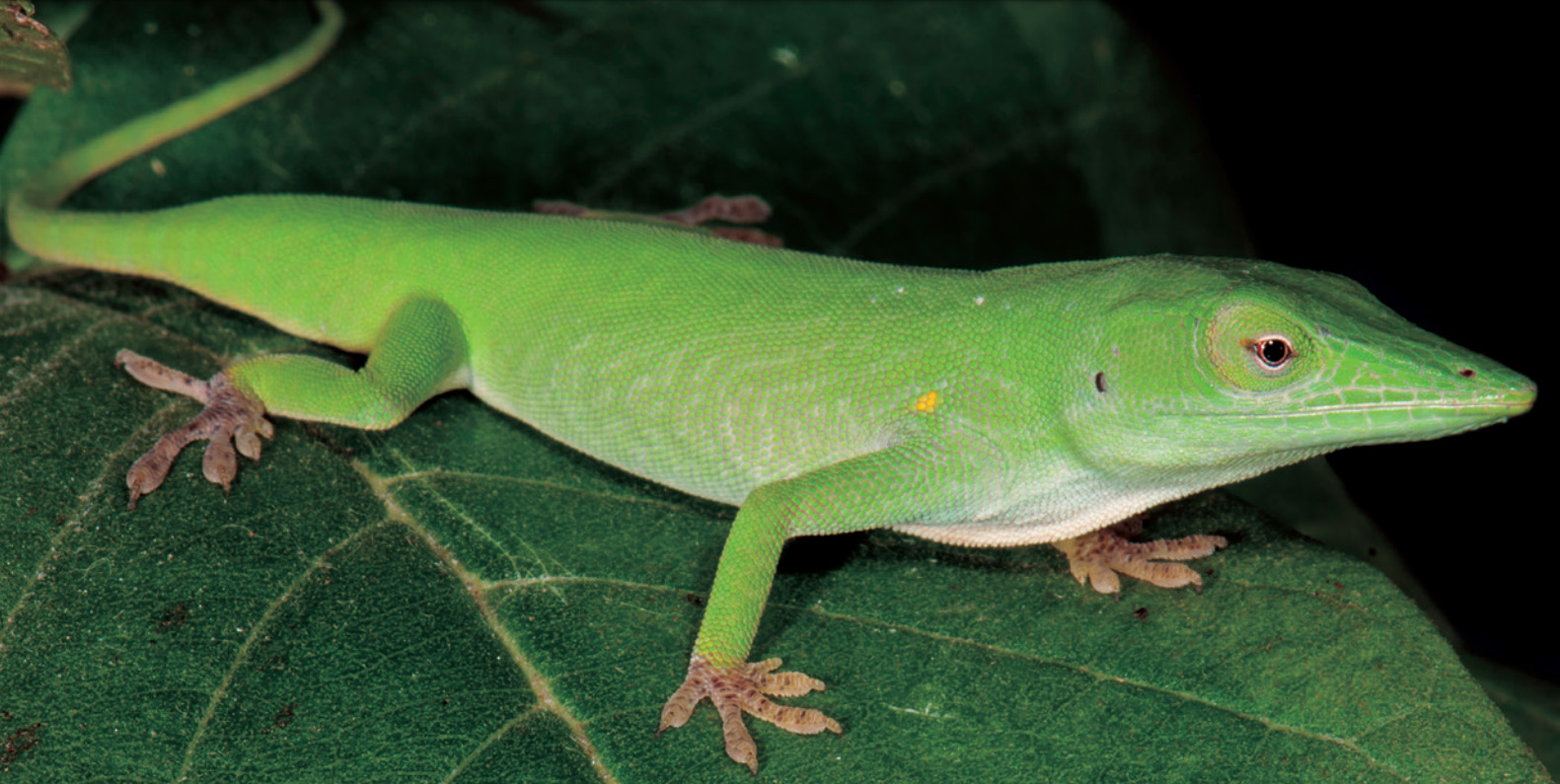
Diaz et al. (2022) describe a new species of this subgroup from western Cuba based on genetic and morphological differences from other species.
-
African Water Snake added to phylogeny
posted on

African water snakes of the genus Lycodonomorphus (Family Lamprophiidae) are widespread, abundant and presumably an important component of many aquatic and semiaquatic food webs. These snakes are poorly understood taxonomically, particularly from a phylogenetic perspective. With only four of the nine species currently sequenced, this study attempts to improve our understanding of the evolutionary relationships…
-
Vocalization in the snake Dipsas catesbyi
posted on
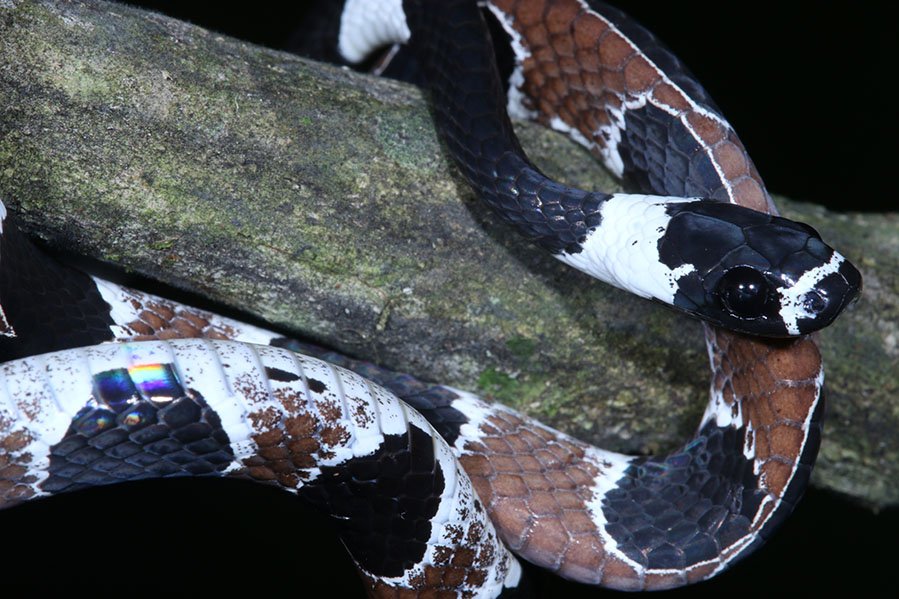
Dipsas catesbyi has been recorded making a vocalization. It is not a hiss. Do some snakes communicate with sound?
-
What is the world’s smallest advanced snake?
posted on
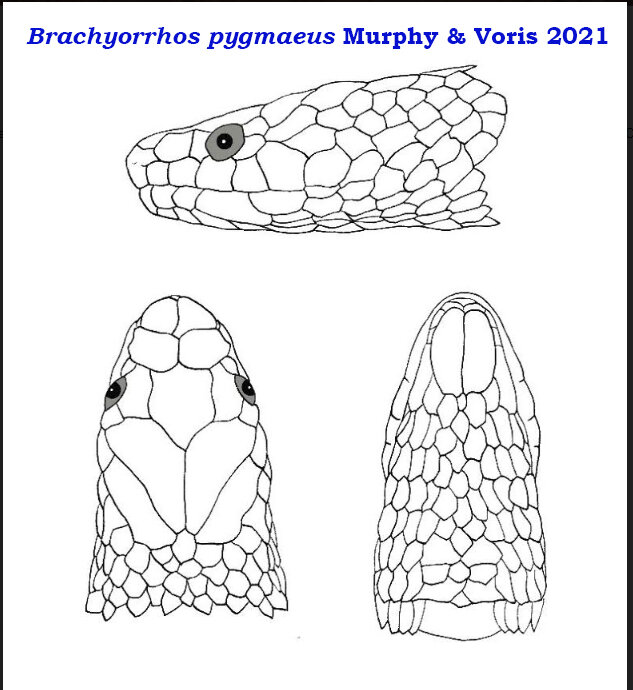
The Barbados Threadsnake, (Tetracheilostoma carlae), is considered the world’s smallest snake. It is tiny – reaching a maximum adult length of only 104 mm (4.1 inches) and an average weight of 0.6 g (0.02 ounce). Described by Hedges (2008), it is a member of the ancient clade Leptotyphlopidae commonly referred to as threadsnakes. Threadsnakes, Blindsnakes…
-
Hot snakes at hot springs
posted on
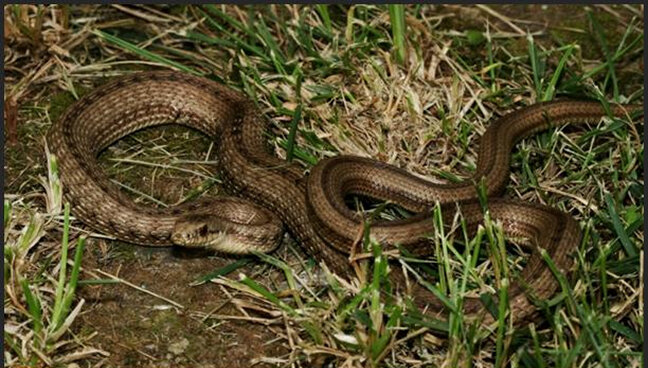
Hot-spring snakes of the genus Thermophis are unique – they are one of the few eastern hemisphere members of the family Dipsasidae – all of the others reside in the western hemisphere, and they are the only snakes that live at elevations up to 4900 m ASL. Living in such extreme habitats requires physical and…
-
Hormone Triggers Production of Sex Pheromones in Thamnophis
posted on
. Garter snake dens in the Interlake region of Manitoba, Canada, are the scene of a mating frenzy each spring and provide an opportunity for researchers to work out the mechanisms by which snake’s choose their mates. The following is based upon an article published in The Journal of Experimental Biology that experimentally demonstrates that…
-
Loggerhead Feeding Ecology
posted on
GAINESVILLE, Fla. – Satellite tracking of threatened loggerhead sea turtles has revealed two previously unknown feeding ‘hotspots’ in the Gulf of Mexico that are providing important habitat for at least three separate populations of the turtles, according to a study published recently in the journal Biological Conservation. The two sites, located in the open waters…
-
A New Semi-Aquatic Lizard from Peru
posted on
There are relatively few aquatic or semi-aquatic lizards. The marine iguana feeds underwater and the common iguana uses water to escape predators, as do a few Anolis; some monitor lizards regularly use aquatic habitats; a few teiids also use aquatic habitats for escape (Kentropyx) and the caiman lizards of the genus Dracaena feed in the…
-
A 1973 Death from a Sistrurus catenatus Bite Recounted
posted on
An article in TheDailyNews.com (New York) recounts the 1973 death of a man from the bite of an eastern massasauga. HIDDEN HISTORY: Snake bite kills man in Bergen swamp, 1973 By Mark Graczyk The Bergen Swamp Wildlife Area is a swamp and nature preserve located within the towns of Bergen and Byron. It’s a wonderful spot…
-
Anoles Demonstrate the Founder Effect
posted on
Anolis sagrei. Photo credit Neil Losin The following is a press release from the National Science Foundation. Biologists who released lizards on tiny uninhabited islands in the Bahamas have uncovered a seldom-observed interaction between evolutionary processes. Jason Kolbe, a biologist at the University of Rhode Island (URI)–along with colleagues at Duke University, Harvard University and…

SerpentResearch.Com
Amphibians, Reptiles, & Natural History





You must be logged in to post a comment.