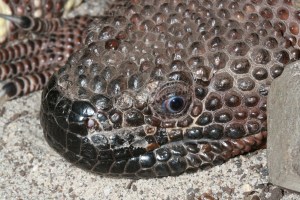


Guatemalan Beaded Lizards are known only from the arid regions of the upper Motagua Valley in eastern Guatemala. The isolated desert habitats in this region are surrounded by mountains covered with humid forests, a habitat foreign to this species. The desert patches experience a short but intense annual rainy season, followed by a very long and hot season. This heloderm forages only a few weeks during the early rainy season, when eggs and nestling animals are available. They do not feed at all for most of the year. Like their northern relative, the Gila Monster, they are venomous but pose little danger to humans.
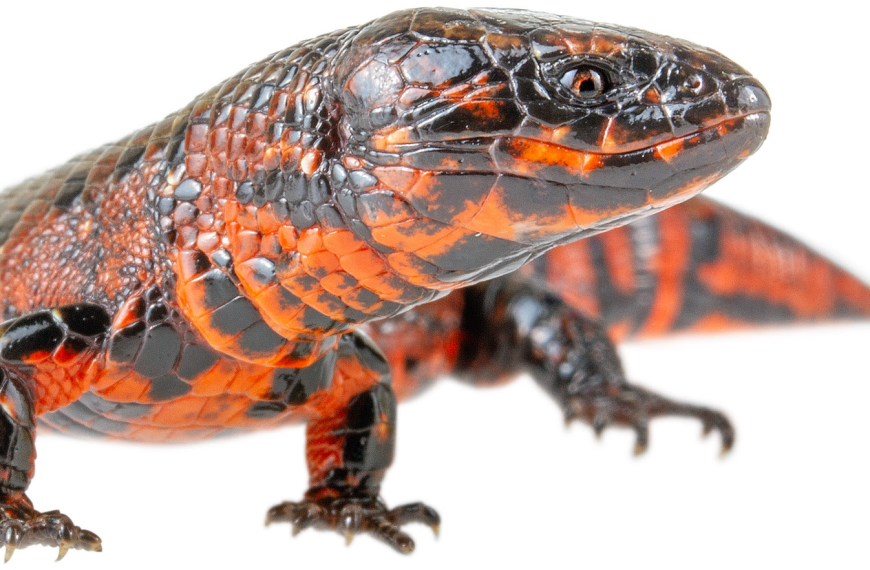
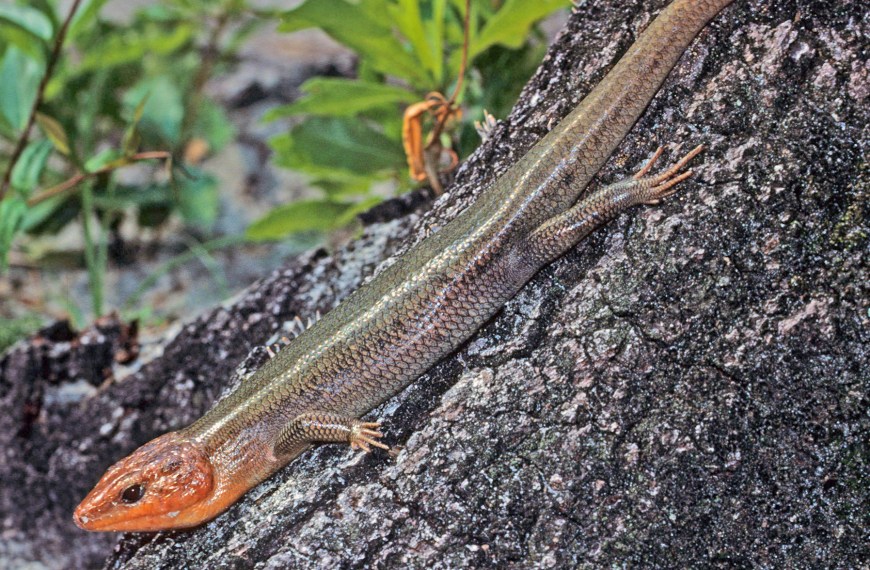
In a recent paper, Dyson et al. (2022) report the draft genome of the Guatemalan Beaded Lizard. They used DNA from a wild-caught individual. The assembled genome totals 2.31 Gb in length, similar in size to the genomes of related species. Single-copy orthologs were used to produce a novel molecular phylogeny, revealing that the Guatemalan Beaded Lizard falls into a clade with the Asian Glass Lizard (Anguidae) and in close association with the Komodo Dragon (Varanidae) and the Chinese Crocodile Lizard (Shinisauridae). In addition, the authors identified 31,411 protein-coding genes within the genome. Of the genes identified, we found 504 that evolved with a differential constraint on the branch leading to the Guatemalan Beaded Lizard. They also identified a decline in the effective population size of the Guatemalan Beaded Lizard approximately 400,000 years ago, followed by a stabilization before dwindling again 60,000 years ago. The results presented here provide important information regarding a highly endangered, venomous reptile that can be used in future conservation, functional genetic, and phylogenetic analyses.
Based on the observed heterozygosity and population-genetics theory, the effective population size of the Guatemalan Beaded Lizard is estimated to be approximately 3,839. Note that this estimate reflects historically more significant population sizes and does not equate to the actual population size in the wild, estimated by conservationists and ecologists to be approximately 600 animals.
Citation. Dyson CJ, Pfennig A, Ariano-Sánchez D, Lachance J, Mendelson III JR, Goodisman MA. Genome of the endangered Guatemalan Beaded Lizard, Heloderma charlesbogerti, reveals evolutionary relationships of squamates and declines in effective population sizes. G3 Genes| Genomes| Genetics. 2022 Oct.