-
Diets and Niches for Four Sceloporus Species in the Chiricahua Sky Islands
posted on
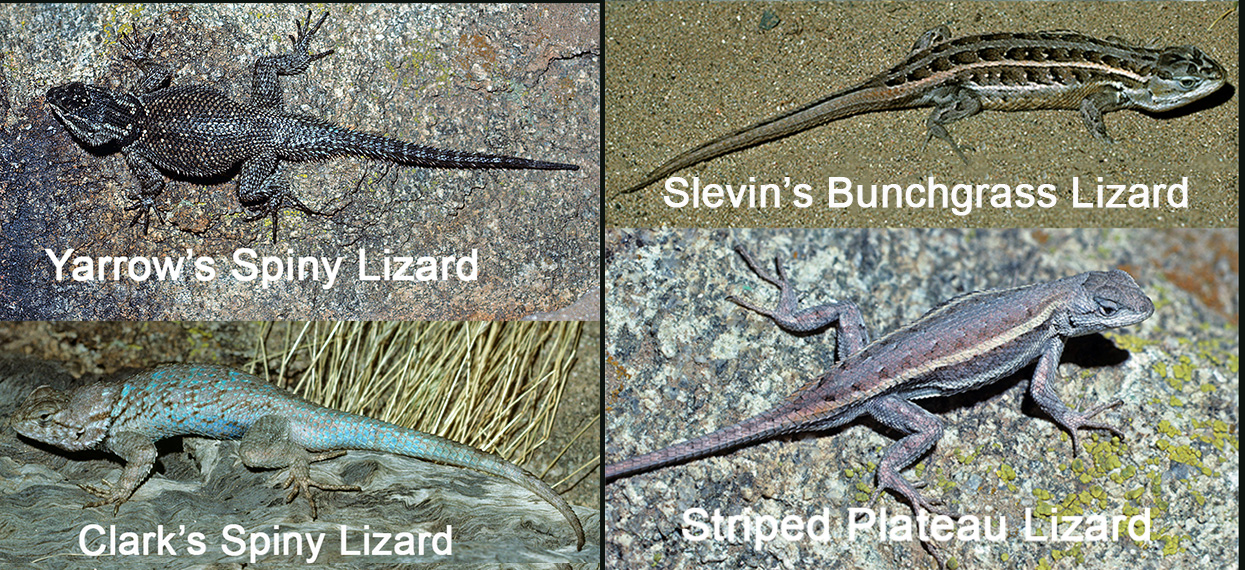
Niche partitioning is a concept at the heart of understanding biodiversity. The concept refers to the process by which natural selection drives competing species into different patterns of resource use in various niches. Two recent papers by Westeen et al. (2023a, b) look at several species of spiny lizards (genus Sceloporus) in the Chiricahua sky…
-
Natural History collections are more important now than they were 10 years ago.
posted on

Our knowledge of the biodiversity of Asia and Australasia continues to expand with more focused studies on the systematics of various groups and their biogeography. Historically, fluctuating sea levels and cyclic connection and separation of now-disjunct landmasses have been invoked to explain the accumulation of biodiversity via species pump mechanisms. However, recent research has shown…
-
Discovering the lightbulb lizards of Ecuador
posted on

Alejandro Arteaga, a herpetologist in Ecuador sent out out the following email. If you have the resources for helping Alejandro I encourage you to do so. Today, I want to reveal a project I have been advancing in secret. During the past five years, my team and I have been studying an enigmatic group of…
-
Ontogenetic shift in the venom composition of the Mexican Black-tailed Rattlesnake
posted on

We detected clear ontogenetic venom variation in C. m. nigrescens. Venoms from younger snakes contained more crotamine-like myotoxins and snake venom serine proteinases than venoms from older snakes…
-
A new genus and species of snake from the Lost World (Guyana)
posted on

The Pantepui is a remote, biodiverse region made famous by Arthur Conan Doyle’s novel, The Lost World. In a recent article, Kok and Means (2023) describe the new species, Paikwaophis kruki (Dipsadidae: Xenodontinae). It was recently collected in the Pantepui cloud forest that sits at the base of the steep cliffs of Roraima-tepui and Wei-Assipu-tepui…
-
Frogs are younger than previously thought
posted on
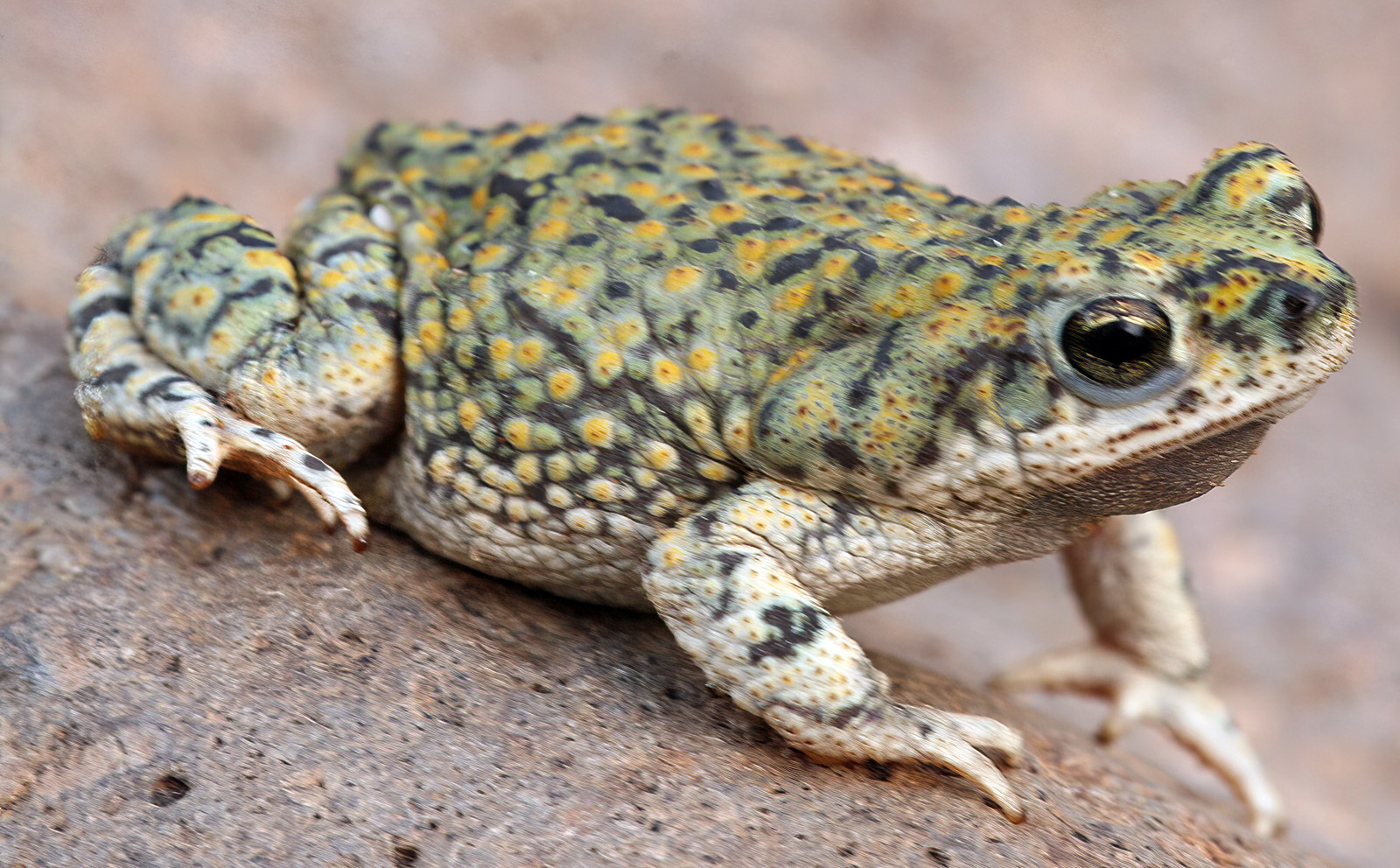
In evolutionary and ecological research across various organisms, the utilization of large-scale, time-calibrated phylogenies derived from supermatrix studies has gained paramount importance. Nonetheless, a notable issue persists with the existing supermatrix-based estimates when it comes to frogs, a subset of anuran amphibians. This predicament arises because these phylogenetic trees rely on a rather limited set…


SerpentResearch.Com
Amphibians, Reptiles, & Natural History





You must be logged in to post a comment.