-
Discovering the lightbulb lizards of Ecuador
posted on

Alejandro Arteaga, a herpetologist in Ecuador sent out out the following email. If you have the resources for helping Alejandro I encourage you to do so. Today, I want to reveal a project I have been advancing in secret. During the past five years, my team and I have been studying an enigmatic group of…
-
Genomic Insights into Snake Body Size
posted on

Body size is a critical trait that influences an animal’s physiology, behavior, and ecology. However, the molecular mechanisms underlying its evolution remain poorly understood, particularly in snakes. Snakes exhibit a remarkably wide range of body sizes and considerable ecological adaptability. Xia et al. (2025) found that among snake species, the maximum body mass exceeds the…
-
A new giant fossil snake from northwest India’s Eocene
posted on

The snake family Madtsoiidae is an extinct clade of primarily Gondwanan terrestrial snakes, with a temporal range spanning approximately 100 million years from the Late Cretaceous to the Late Pleistocene. Their geographic range during the Late Cretaceous encompassed Madagascar, South America, India, Africa, and the European archipelago. The Cenozoic forms are primarily found in North…
-
Invasive Snakes in Puerto Rico – its more than Reticulated Pythons
posted on

The following article was published on VOX on 21 May. Click on this link to see the entire story and images. The author is Benji Jones. Night had fallen in Cabo Rojo, a wildlife refuge along Puerto Rico’s southwestern coast, by the time we started our hike. Insects hummed from the grasses, green lizards slept…
-
Aquatic Snakes, Diversity and Natural History
posted on

This book is available as a high quality PDF on the Herpetological Conservation International website. Aquatic Snakes, Diversity and Natural History covers about 420 snake species with text written by over a dozen co-authors and images supplied by about 120 photographers. The book is currently available as a PDF and will eventually be available as…
-
The Rapid Evolution of Snakes
posted on

About 128 million years ago, a surge of adaptation caused snakes to explode in diversity and evolve up to three times faster than lizards. Since they initially descended from lizards, snakes were minor ecological players that slithered around the periphery of ecosystems dominated by dinosaurs more than 100 million years ago. But now, there are…
-
Discovering the lightbulb lizards of Ecuador
posted on
Alejandro Arteaga, a herpetologist in Ecuador sent out out the following email. If you have the resources for helping Alejandro I encourage you to do so. Today, I want to reveal a project I have been advancing in secret. During the past five years, my team and I have been studying an enigmatic group of…
-
Snake genome reveals burrowing past and re-adaptation to surface life
posted on

The Chinese Academy of Sciences, China, has led a study that achieved chromosome-level assembly for 14 snakes, creating a detailed genomic reference for snake evolution. The research team published their findings in the journal Cell in a paper titled “Large-scale snake genome analyses provide insights into vertebrate development,” where they highlighted numerous discoveries made using…
-
A Giant Armoured Skink from Australia’s Pleistocene
posted on

Tiliqua frangens is believed to be related to the living shingleback or sleepy lizard (Tiliqua rugosa), but is even larger and more heavily armored.
-
Snake teeth show more diversity than previously thought
posted on

Their results showed that the hardness and shape of the prey, as well as the environment in which the snake hunts, play a significant role in determining the shape and size of its teeth. Snakes with long, curved teeth with a thin layer of hard tissue are better adapted to maintain a grip on their…
-
Argentine Black and White Tegus in Charlotte County, Florida
posted on
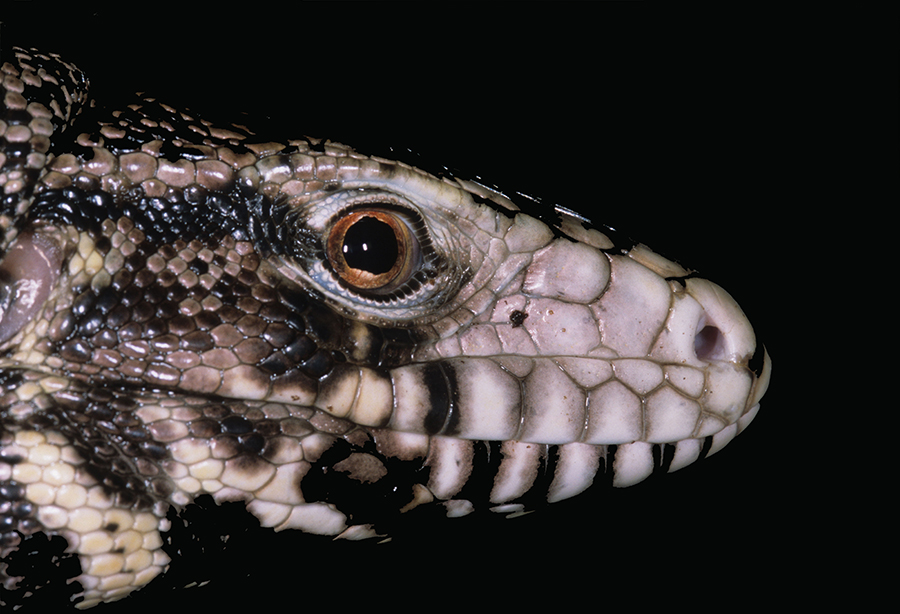
We set baited live traps during the Tegu active season from 2018-2020, resulting in the capture and removal of 170 Tegus from the population.
-
The invasive Green Whipsnake threatens vulnerable squamates in Switzerland
posted on
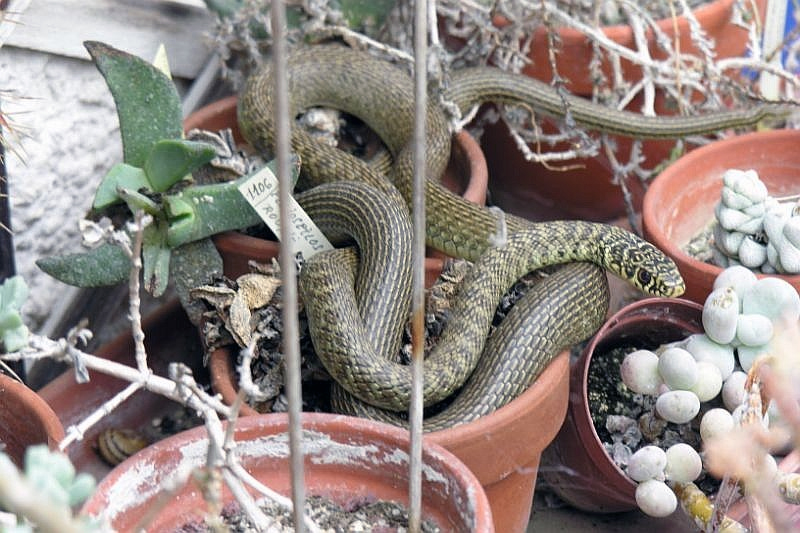
An invasive snake threatens vulnerable snakes and lizards in Switzerland
-
A new lizard from the Triassic
posted on

The origins of mammals and birds are relatively well understood, while the roots of squamates have been obscure. In a new paper (Whiteside et al. 2022) report a modern-type lizard from the Late Triassic of England [202 million years (Ma)], comprising a partial skeleton, skull, and mandibles. It displays at least 15 unique squamate traits…
-
Squamates underwent rapid evolution in the Jurassic
posted on
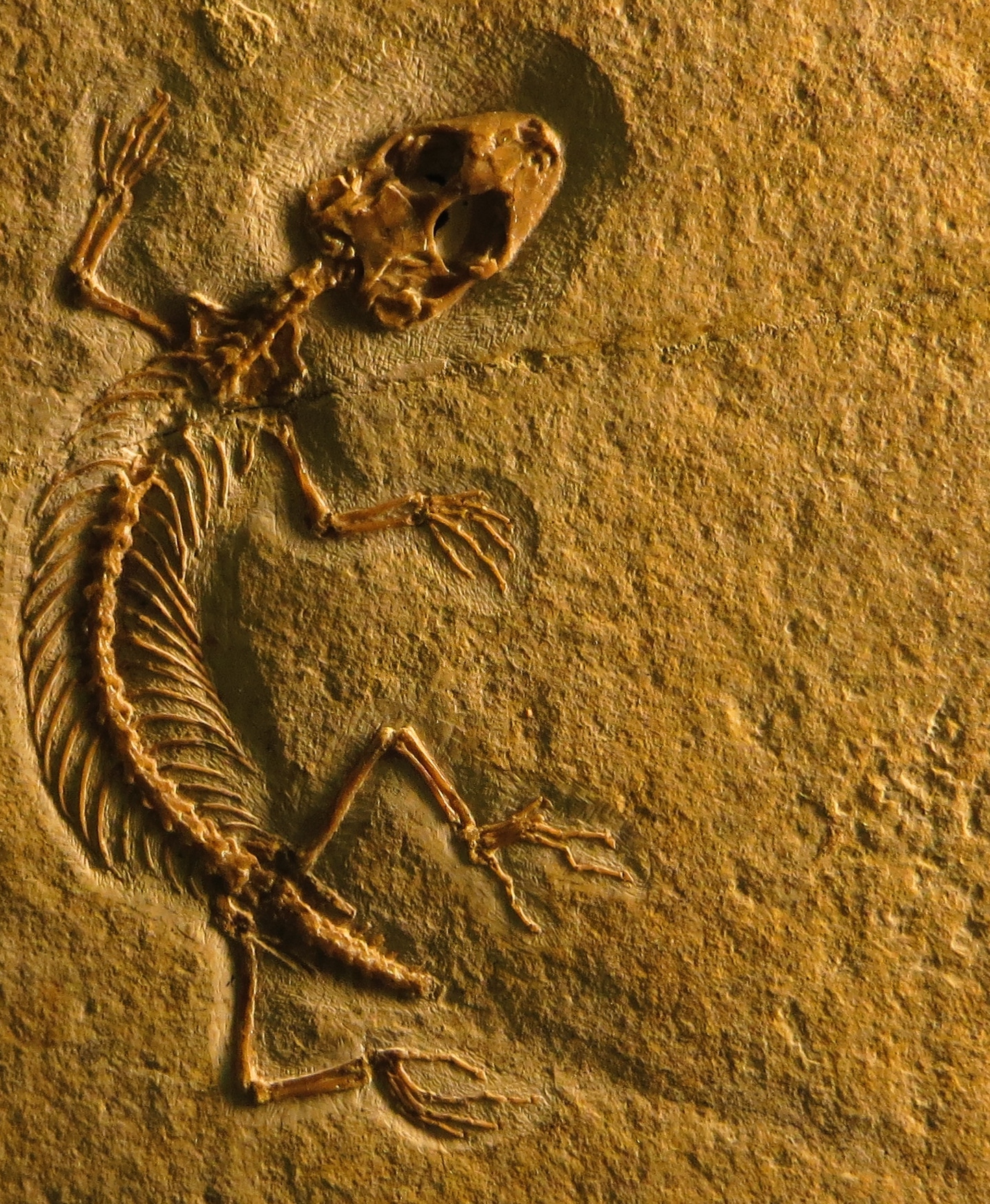
The Squamata are key parts of modern terrestrial faunas, especially in warmer climates, with a diversity of more than 10,000 species. However, understanding the evolutionary paths that made them successful are poorly understood.
-
Overlooked species diversity in the Nidua Fringe-fingered Lizard
posted on

In a recent paper Liz et al. (2022) noted that hyper-arid sandy and rocky fields rank among the least biologically diverse habitats, yet knowledge of local biodiversity patterns is poor. The following is a slightly edited version of their introduction to the article. In the Sahara Desert, paleoclimate oscillations affected the extent of hyper-arid habitats,…
-
Rattlesnake Venom Research in Ireland
posted on

Snake venom has long shown promise as a treatment for cancer in a wide range of animal trials dating back several years. Celtic Biotech isolated a protein in a type of rattlesnake venom that causes cancer cells to commit cell suicide.
-
Atlantic Forest Bushmasters
posted on
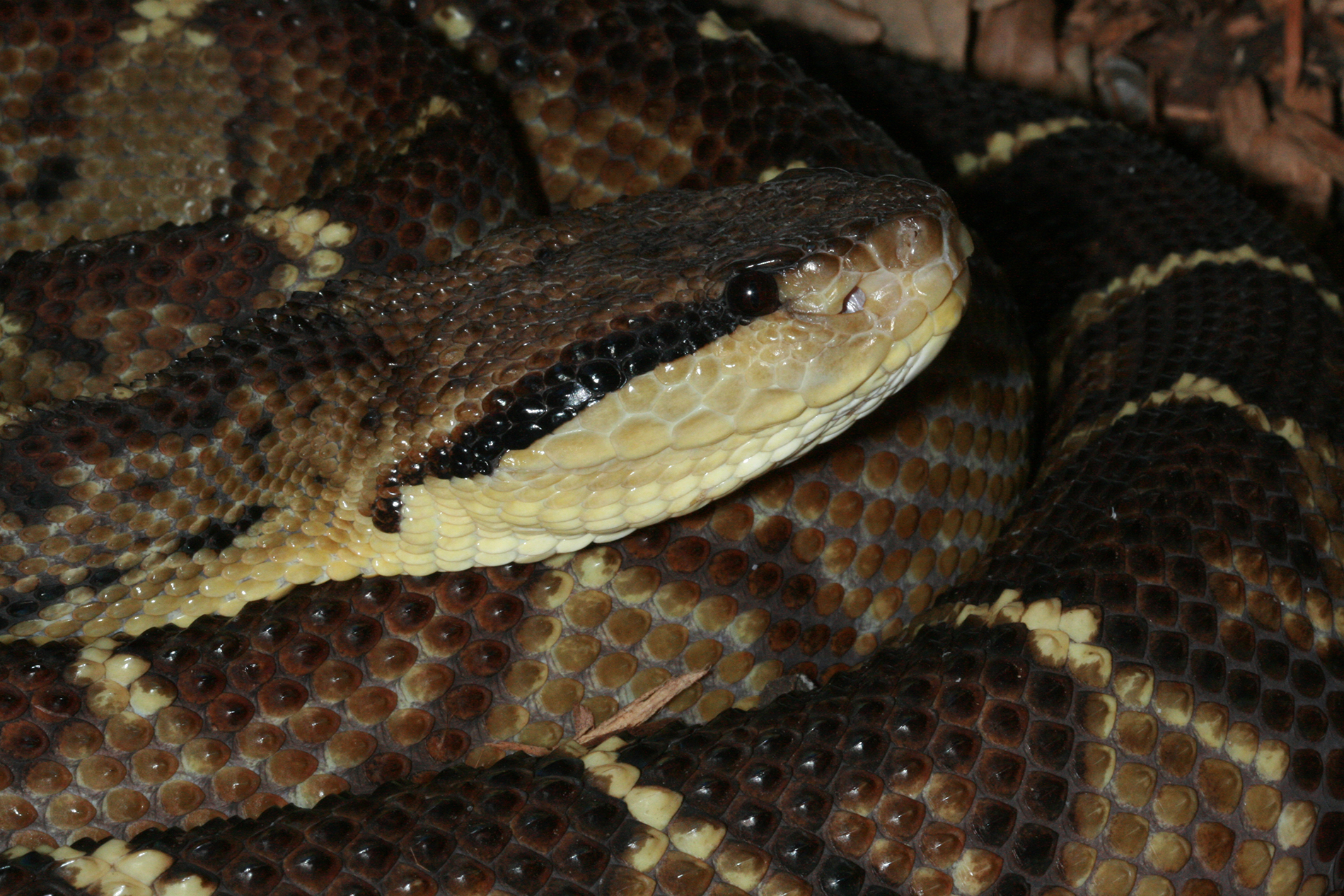
They are the largest pit-vipers and the only oviparous pit- vipers in the western hemisphere.
-
The ancestor for the Squamata + Rhynchocephalia
posted on

A new fossil suggests it may be the ancestor to the tuatara, lizards and snakes
-
What is the world’s smallest advanced snake?
posted on
The Barbados Threadsnake, (Tetracheilostoma carlae), is considered the world’s smallest snake. It is tiny – reaching a maximum adult length of only 104 mm (4.1 inches) and an average weight of 0.6 g (0.02 ounce). Described by Hedges (2008), it is a member of the ancient clade Leptotyphlopidae commonly referred to as threadsnakes. Threadsnakes, Blindsnakes…
-
Proximity between Russell’s Viper and People in Rural India
posted on
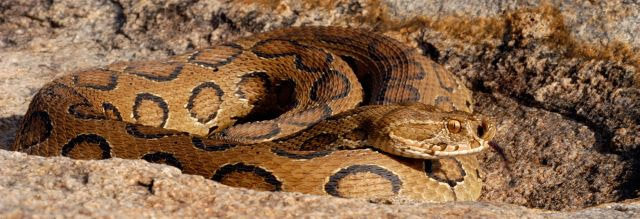
Russells Viper, Bannerghatta, India. Saleem Hameed <saleemham at rediffmail.com>, CC BY 2.5 <https://creativecommons.org/licenses/by/2.5>, via Wikimedia Commons
-
The Little File Snake, Acrochordus granulatus
posted on

The unusual biology of the Little File Snake
-
Snake Bombs
posted on
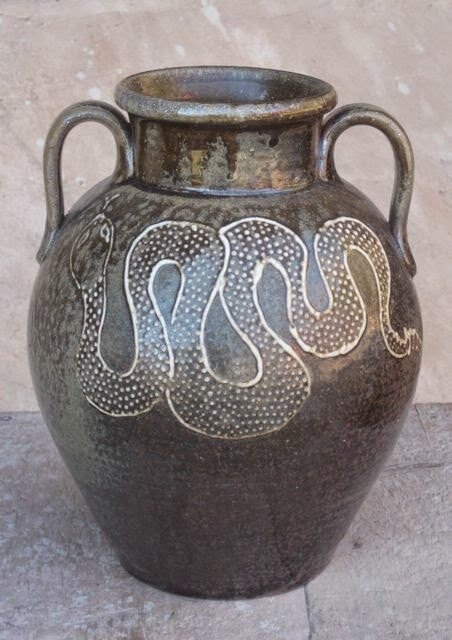
In 184 BCE, Hannibal led the Bithynian fleet in a naval battle against the Pergamenian King, Eumenes II. Despite being heavily outnumbered, Hannibal had ordered his ships to focus their attack on Eumenes’ vessel. To defend themselves against the many enemy ships, Hannibal’s fleet catapulted clay pots full of poisonous snakes at them. However, whether…
-
Snake Venom Forensics
posted on
In the science fiction classic Blade Runner, Harrison Ford’s character Rick Deckard tracks down a replicants (synthetic humans) using a scale from an artificial snake. The planet has been turned into a sewer, and most of its life forms other than humans have been obilterated. While we have not quite reached the level of environment…
-
A New Semi-Aquatic Lizard from Peru
posted on
There are relatively few aquatic or semi-aquatic lizards. The marine iguana feeds underwater and the common iguana uses water to escape predators, as do a few Anolis; some monitor lizards regularly use aquatic habitats; a few teiids also use aquatic habitats for escape (Kentropyx) and the caiman lizards of the genus Dracaena feed in the…

SerpentResearch.Com
Amphibians, Reptiles, & Natural History





You must be logged in to post a comment.