-
Prehistoric Amphibian Ancestor Is Named for Kermit the Frog
posted on

The species seemed to have bug eyes and a smile, so a team of researchers named it Kermitops gratus in honor of the banjo-playing Muppet. Michael Levenson, NYT One crawled across the rain-drenched ground of what is now Texas more than 270 million years ago, possibly feasting on fast-moving insects. The other endeared himself to…
-
Amphibians on the Edge: Climate Change and Other Threats to Survival
posted on

In the world of biodiversity, Earth’s amphibians play a crucial role. From the magnificent Wallace’s Flying Frog to the Trinidad’s Bromeliad dwelling tree frog and the huge Chinese Giant Salamander these fascinating animals have captured the imaginations of naturalists for centuries. Unfortunately, the latest research paints a grim picture for amphibians worldwide. A new research…
-
Frogs are younger than previously thought
posted on
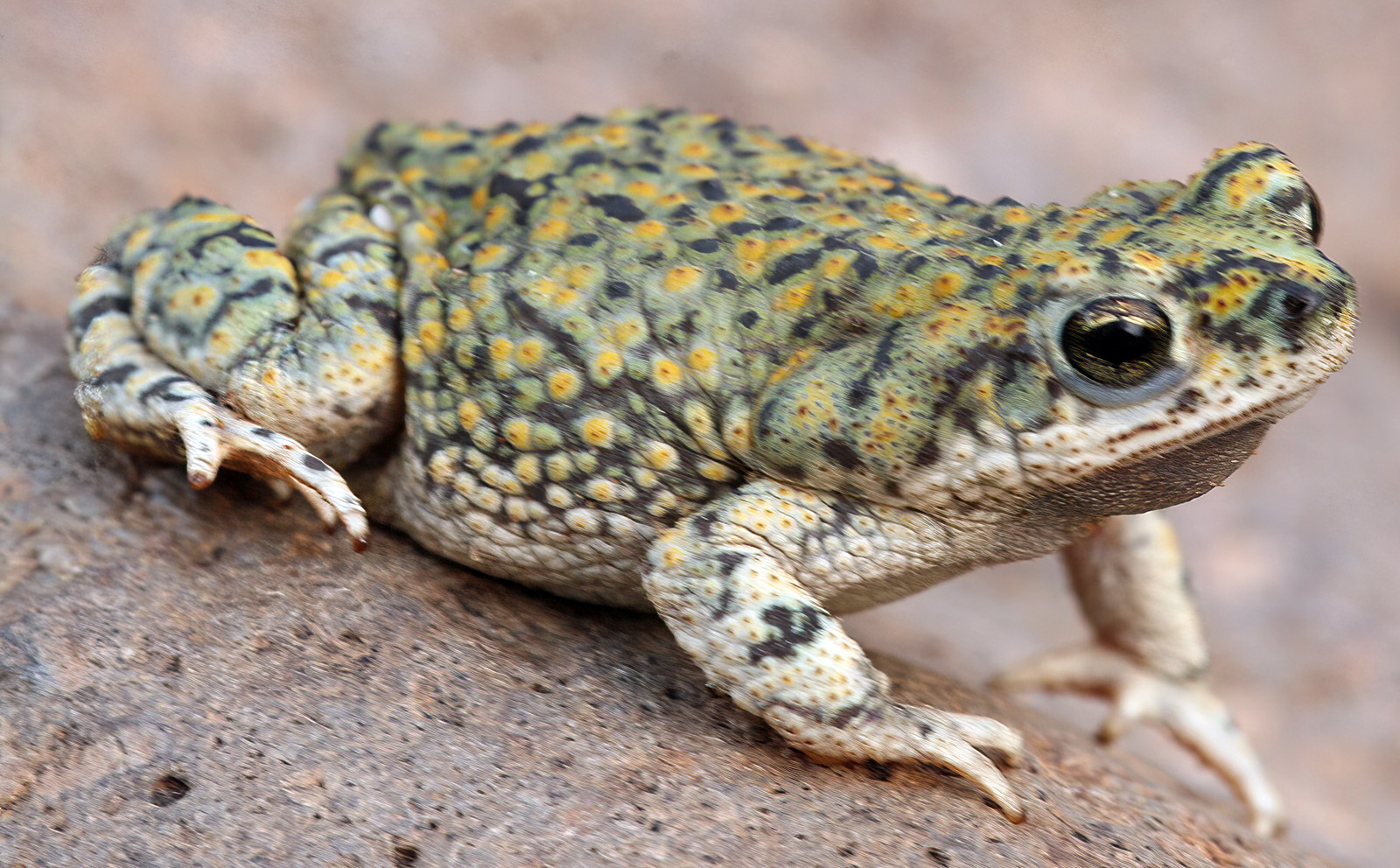
In evolutionary and ecological research across various organisms, the utilization of large-scale, time-calibrated phylogenies derived from supermatrix studies has gained paramount importance. Nonetheless, a notable issue persists with the existing supermatrix-based estimates when it comes to frogs, a subset of anuran amphibians. This predicament arises because these phylogenetic trees rely on a rather limited set…
-
New Frogs from Ecuador
posted on
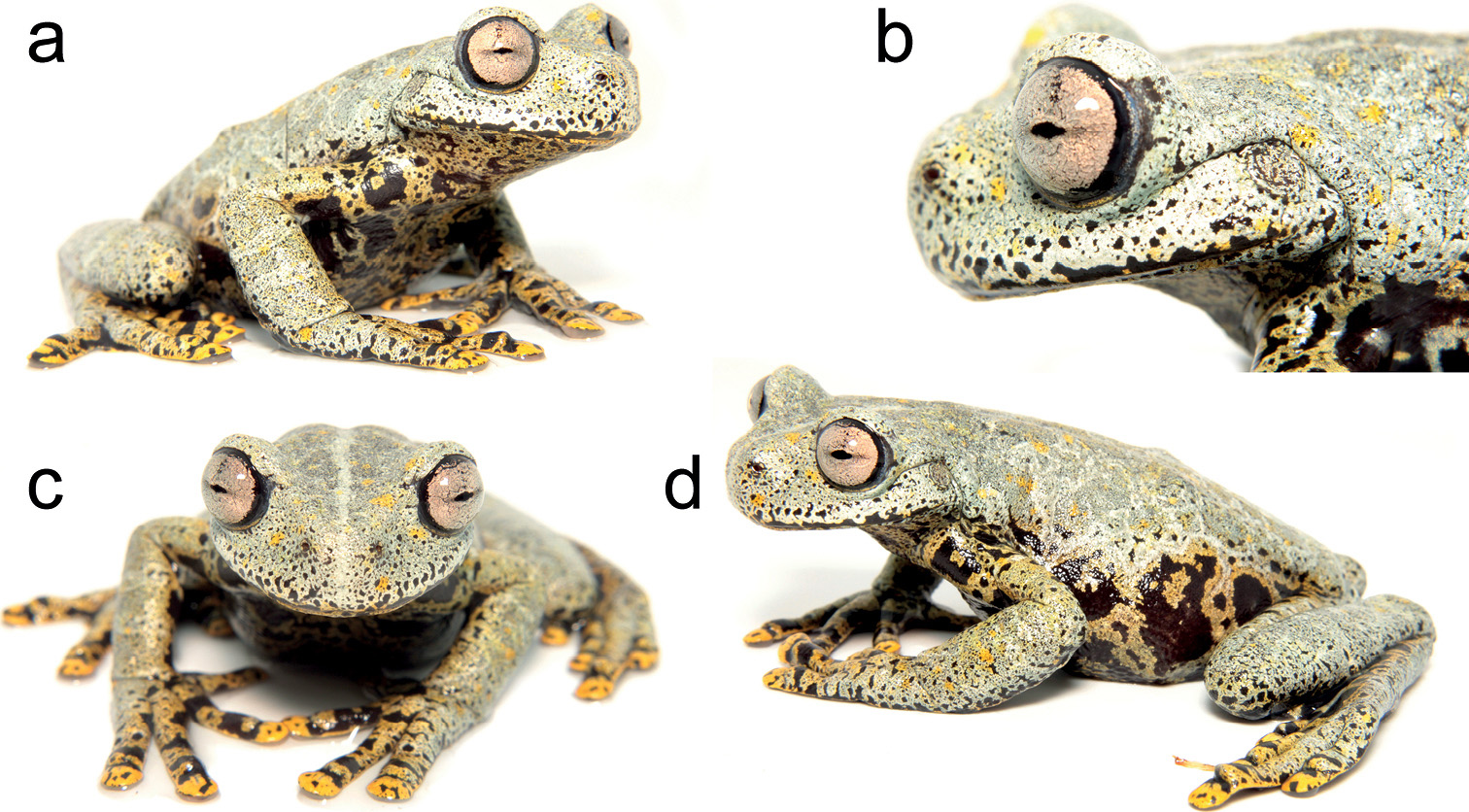
Hyloscirtus tolkieni is a steream breeding hylid from from Río Negro-Sopladora National Park, province of Morona Santiago.
-
Glassfrogs hide their blood cells to become transparent
posted on
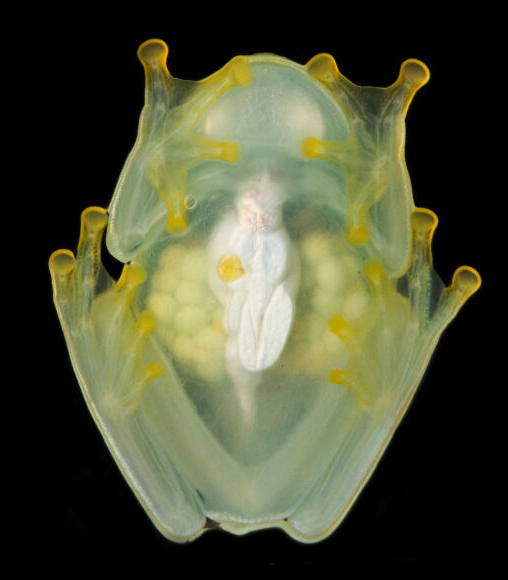
resting glassfrogs increase transparency two- to threefold by removing nearly 90 percent of their red blood cells from circulation

SerpentResearch.Com
Amphibians, Reptiles, & Natural History





You must be logged in to post a comment.