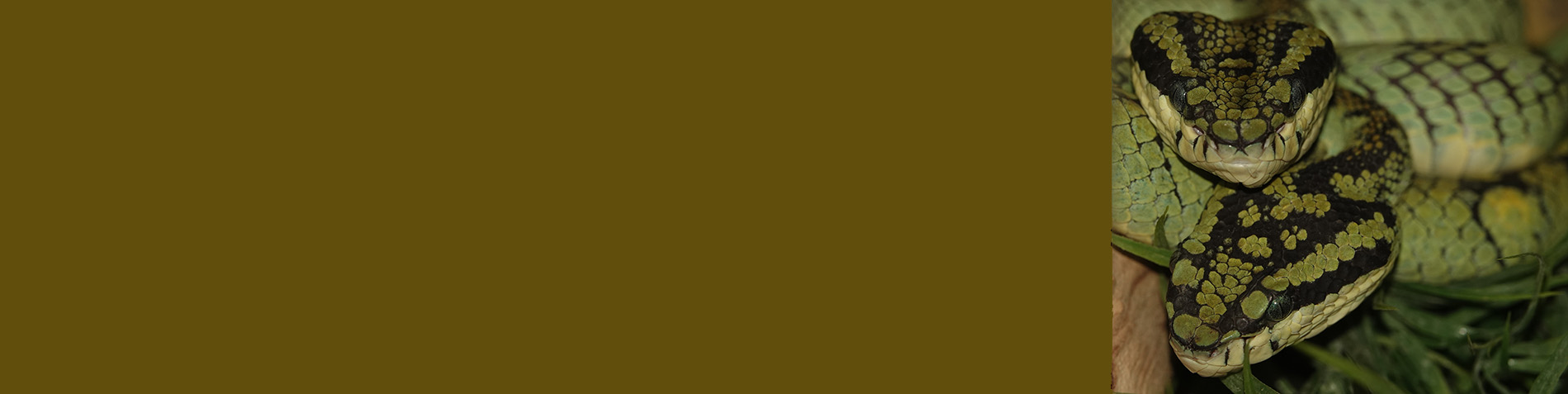


Acrochordus granulatus, a marine file snake, Singapore. Ria Tan and Wikipedia
The Little File Snake, Acrochordus granulatus, is an interesting, widespread, and common inhabitant of coastal estuaries and mangroves in South and Southeast Asia. In a new paper Lillywhite reviews the unusual attributes of A. granulatus and provides a perspective for its conservation in coastal habitats. Morphological, physiological, and behavioral characters of this snake are specialized for life in shallow-water marine environments such as mangroves. Unusual and specialized features confer abilities for prolonged submergence and include low metabolic rate, large capacity for oxygen storage, cutaneous gas exchange, nearly complete utilization of oxygen stores during aerobic submergence, intracardiac and cutaneous shunts for regulating blood flow, and reclusive behavior. Fresh water is required for water balance, and file snakes are dependent on rainfall in many habitats where they drink from freshwater lenses formed by precipitation on the surfaces of marine water. File snakes feed largely on fishes and are candidates as bio-indicators of the health of shallow-water coastal habitats. Attention should be given to threatening insults on coastal environments including climate change, habitat destruction, harvesting of resources, and other factors in need of research, monitoring, and plans for abatement. Importantly, conservation can be promoted by educating people about the docile behavior, unusual traits, and interesting ecology of this snake.
Lillywhite HB. 2021. The unusual biology of marine file snakes with a perspective for the conservation of Acrochordus granulatus. Philippine Journal of Systematic Biology DOI 10.26757/pjsb2020b14010