-
3FTx in four species of colubrid snakes
posted on
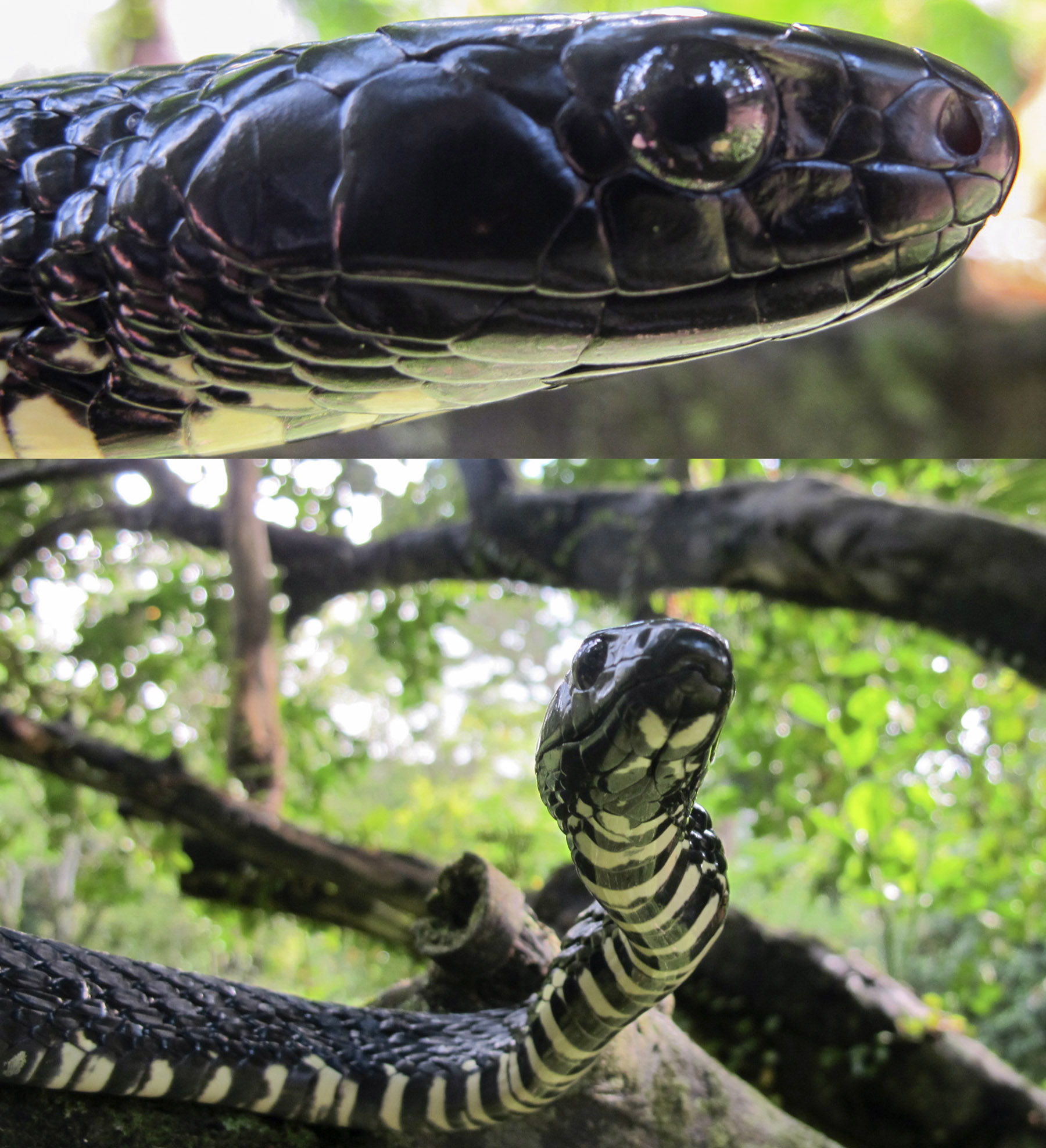
By conducting gene tree reconstructions of 3FTxs, the researchers uncovered intriguing evidence of potentially novel heterodimers within the genetic sequences of Chironius multiventris and Oxybelis aeneus.
-
Social Western Diamondbacks
posted on

Social behavior in snakes is under-studied and, as a result, poorly known. Using social network analysis, Tetzlaff et al. (2023) examined social behavior in the Western Diamondback Rattlesnake, Crotalus atrox, from 2001 to 2015. They used behavioral observations via radiotelemetry and genotypic data from a long-term (>10 years) study of the Western Diamondback Rattlesnake.
-
Time to first shed
posted on

An intriguing example is the puff adder (Bitis arietans), which sheds its skin shortly after birth. These viper species use chemical camouflage to evade detection by predators. Although their shed skin is easily detectable, these snakes move to new locations immediately after shedding to maintain camouflage.
-
Cryptid Rhabdophis in the nuchalis group
posted on
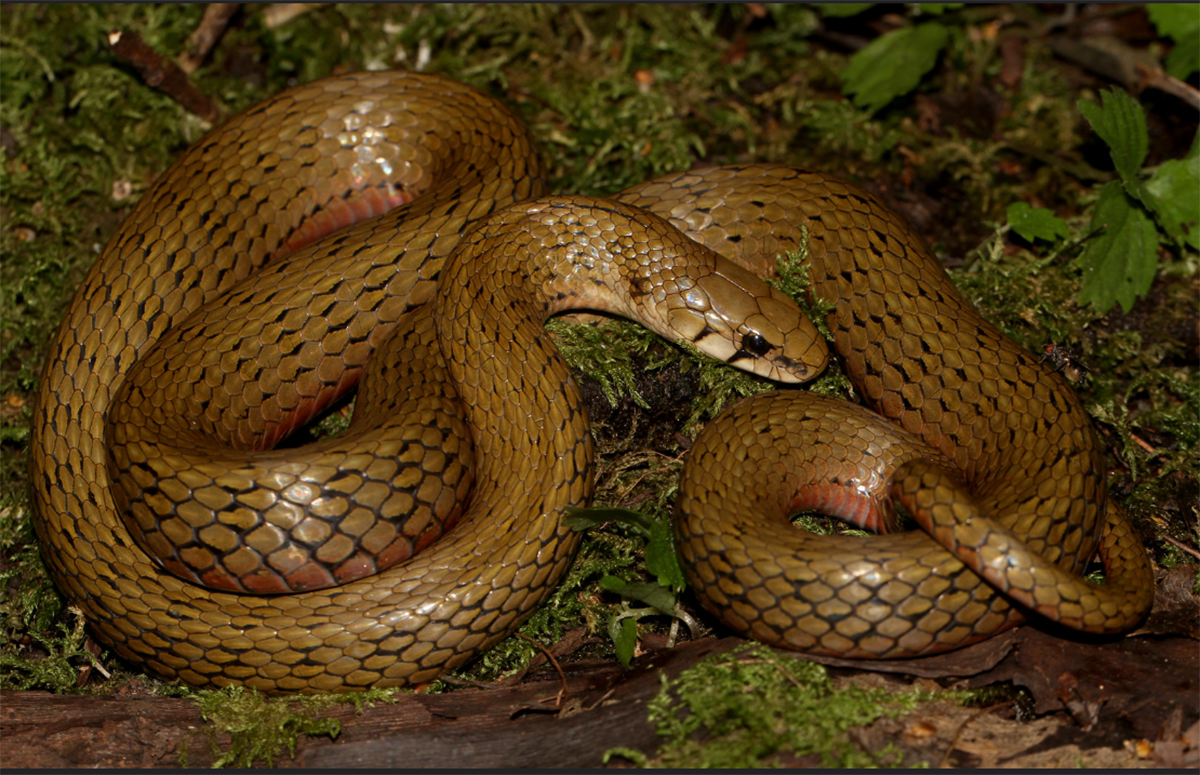
Cryptic diversity has been underestimated, but many examples have been documented in the scientific literature in recent decades. Researchers often highlight the importance of establishing a stable classification and strong evolutionary relationships for preserving organisms, yet they rarely emphasize the significance of accurately defining taxonomy. The Rhabdophis nuchalis group, which includes species like R. nuchalis,…

SerpentResearch.Com
Amphibians, Reptiles, & Natural History





You must be logged in to post a comment.