-
Common Asian toad invasive in Madagascar
posted on
Common Indian Toad. Duttaphrynus melanostictus. Front view. Photograph by L. Shyamal The unique wildlife of Madagascar is facing an invasion of toxic toads that could devastate the island’s native species. Snakes feeding on the toads are especially at risk of poisoning, as are a host of other animals unique to the island — such as…
-
A new blunt-snouted dyrosaurid from the time of Titanoboa
posted on
An ancient crocodilian has been named after the fictional Balrog creature in J.R.R. Tolkien’s Lord of the Rings series. The ancient 16-foot, 900-pound blunt-snouted dyrosaurid was given the name, Anthracosuchus balrogus, in a new study from The University of Florida. The huge crocodilian was featured in a 2012 Smithsonian Channel documentary about Titanoboa, a massive…
-
Intranasal neostigmine reduces mortality in a mouse model of Naja naja envenomtion
posted on
Snakebite is one of the most neglected of all tropical diseases, with nearly 5 million people bitten by snakes each year and fatalities globally up to 30 times higher than that of land mines and comparable to AIDS in some developing countries. It has been estimated that more than 75 percent of snakebite victims who…
-
A new mode of reproduction in a new frog
posted on
Nyctibatrachus kumbara Forty different modes of reproduction have been described in frogs, now a 41st mode has been described. The newly described kumbara night frog, Nyctibatrachus kumbara, inhabits stream and river beds traversing the forests of the southern India’s Western Ghats is the only known amphibian to coat its eggs in mud. Kotambylu Vasudeva Gururaja of the…
-
Climate change: amphibians & latitude
posted on
The changing climate is impacting organisms worldwide. Perhaps the most obvious change is in the timing of events; Japanese cherries are blossoming earlier than they have for the last 1000 years, some migrating birds arrive at their summer grounds in the northern hemisphere several weeks earlier than they did only 50 years ago, and others…
-
The phylogeny of softshell turtles and the giant Shanghai softshell turtle, Rafetus swinhoei
posted on
The softshell turtles of the family Trionychidae have highly derived morphology evolved to adapt the turtles to an almost entirely aquatic environment. These adaptations include a smooth leathery skin covering with a reduced bony shell, a flattened body shape, and heavily webbed toes. Thirty-one species in 13 genera are distributed in Africa, Asia (including New…
-
A new horned lizard from Guerrero, Mexico
posted on
Phrynosoma sherbrookei. Photographer unknown The journal Herpetological reports a new species of horned lizard in the genus Phrynosoma from southwest México. Body size, tail length, and scale texture and layout distinguish the new species, Phrynosoma sherbrookei. The new species is named after Wade Sherbrook, who has studied horned lizard behavior, ecology and systematics for many years. There are…
-
Four recently described colubroid snakes
posted on
2014 has been predicted to be a big year for new species of reptiles. These four reticently described species support that claim. Siphlophis ayauma sp. nov Siphlophis ayauma sp. nov. was recently described by Sheehy and colleagues (2014) from the Amazonian slopes of the Ecuadorian Andes, in the provinces of Azuay, Tungurahua, and Zamora Chinchipe. This is…
-
New Book: Snakes of the World: A Catalogue of Living and Extinct Species, is now available
posted on
Snakes of the World: A Catalogue of Living and Extinct Species. 2014. Van Wallach, Kenneth L. Williams, Jeff Boundy. CRC Press, Boca Rattan, FL. 1237 pp. This volume will be required reading for anyone seriously interested in snake systematics and diversity. It contains a checklist to all living and fossil snakes described between 1758 and…
-
Amphibians, climate change & habitat loss
posted on
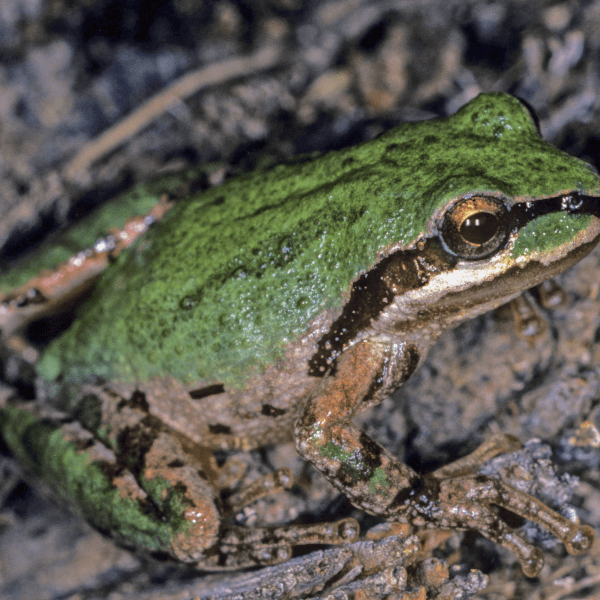
Cascades frogs, found only at high elevations in three states, will face a hard future where trout dominate high mountain lakes and climate change dries up many of the shallower waterways such amphibians have been using. Photo Credit: M Ryan/U of Washington A warming climate, however, will dry up some of the places where amphibians…

SerpentResearch.Com
Amphibians, Reptiles, & Natural History





You must be logged in to post a comment.