-
Snake genome reveals burrowing past and re-adaptation to surface life
posted on

The Chinese Academy of Sciences, China, has led a study that achieved chromosome-level assembly for 14 snakes, creating a detailed genomic reference for snake evolution. The research team published their findings in the journal Cell in a paper titled “Large-scale snake genome analyses provide insights into vertebrate development,” where they highlighted numerous discoveries made using…
-
A Giant Armoured Skink from Australia’s Pleistocene
posted on

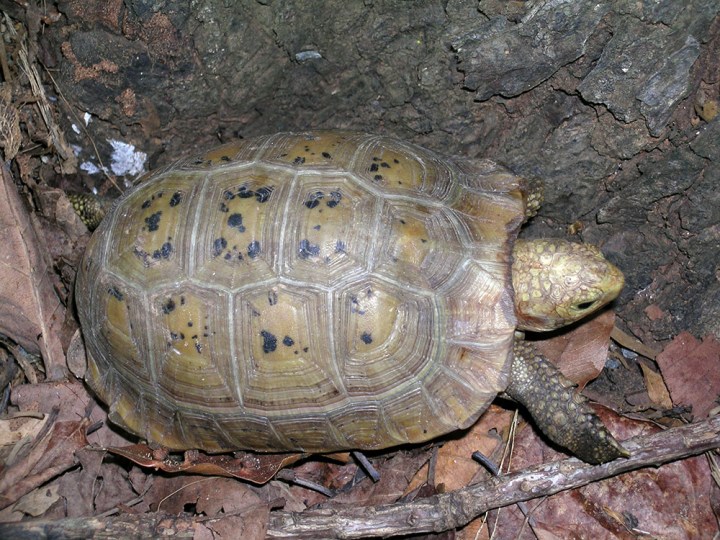
Tiliqua frangens is believed to be related to the living shingleback or sleepy lizard (Tiliqua rugosa), but is even larger and more heavily armored.
-
A new parachuting gecko from northeast India
posted on
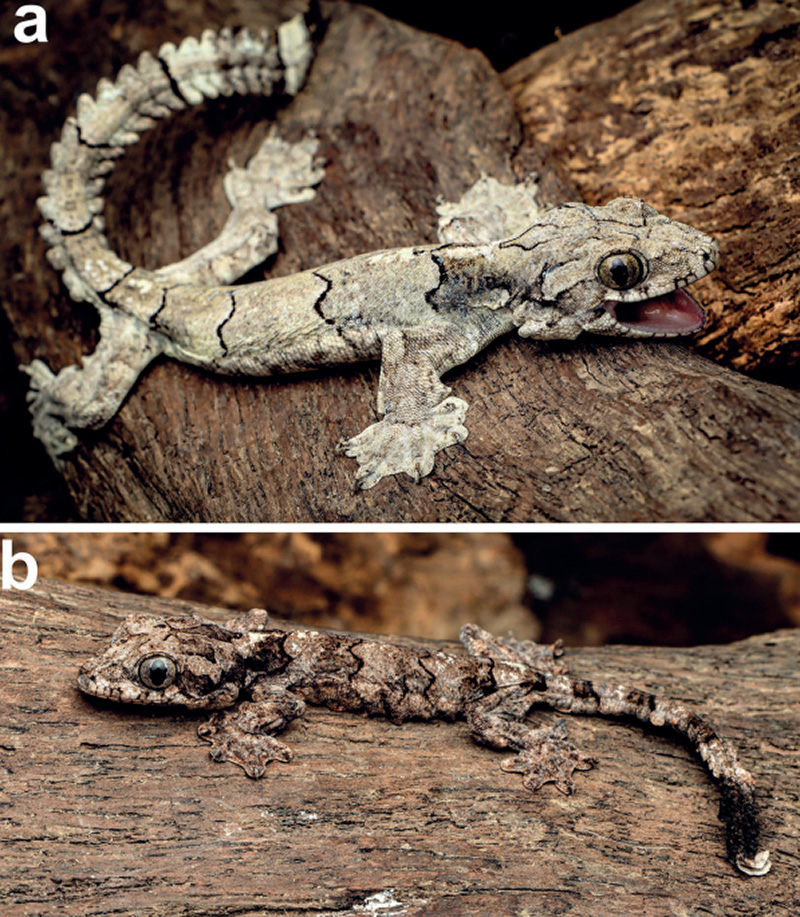
Lalremsanga and colleagues (2023) describes a newly discovered genus Gekko (subgenus Ptychozoon) species. Known as Gekko mizoramensis, this lizard exhibits a scattered distribution throughout Mizoram in northeast India.
-
A new species of Hynobius Salamander from China
posted on

There are currently six described species on the Chinese mainland and five on Taiwan island, all of which are terrestrial, partially fossorial, and undergo larval development in water bodies. However, one Hynobius salamander collected in Fujian in 1978 has not been observed since, suggesting possible local extinctions. To investigate the taxonomic status of this salamander,…
-
Venom in the Blunt-headed Treesnakes
posted on

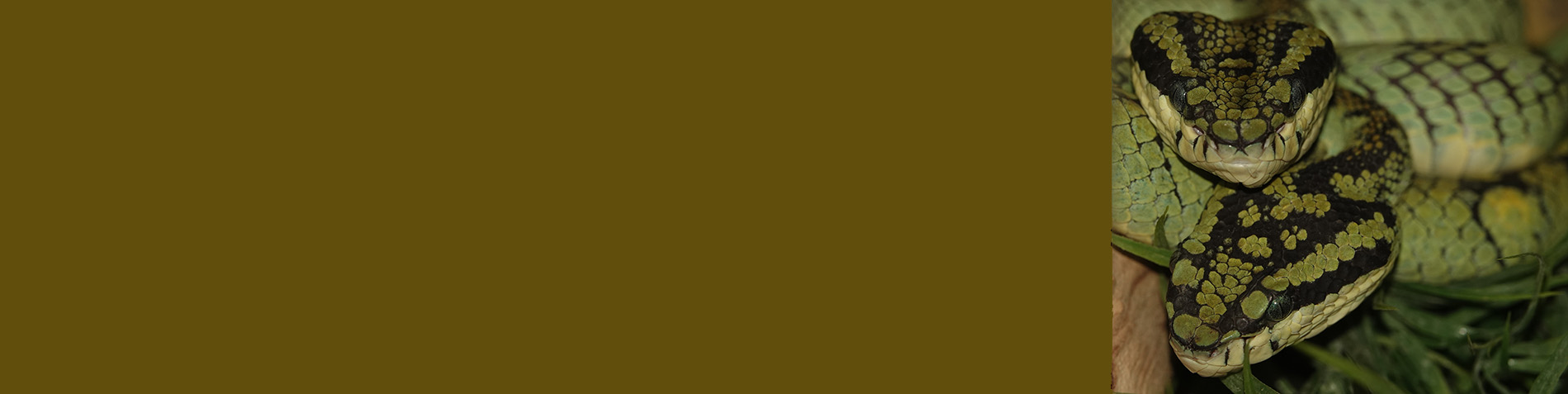
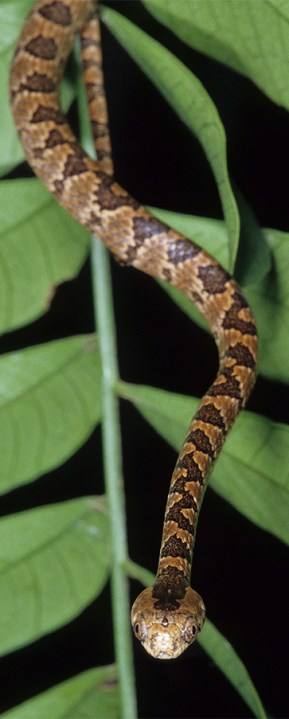
Biological specialization refers to the process by which organisms adapt to occupy specific ecological niches, reducing the available niche space and increasing the efficient utilization of resources. This specialization often occurs through natural selection, which drives phenotypic changes that align with the constraints of the niche.

SerpentResearch.Com
Amphibians, Reptiles, & Natural History





You must be logged in to post a comment.