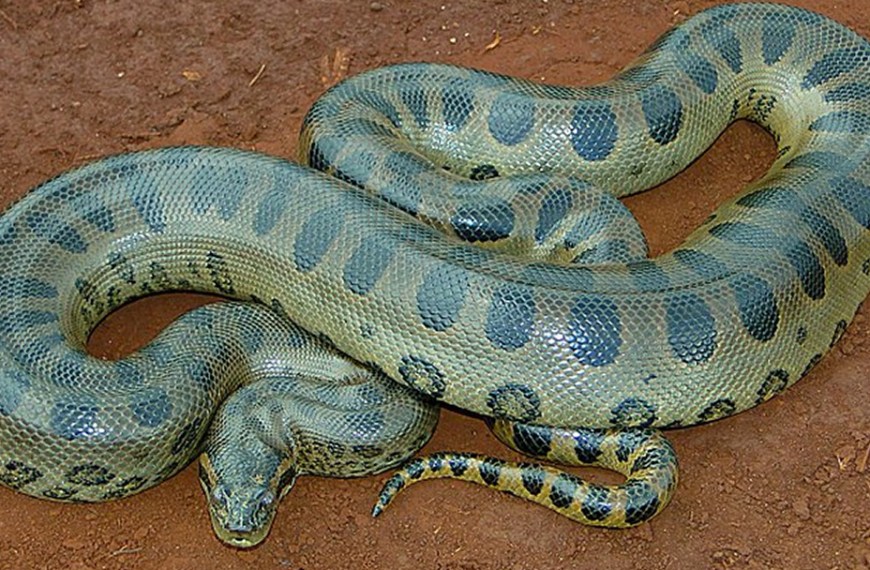

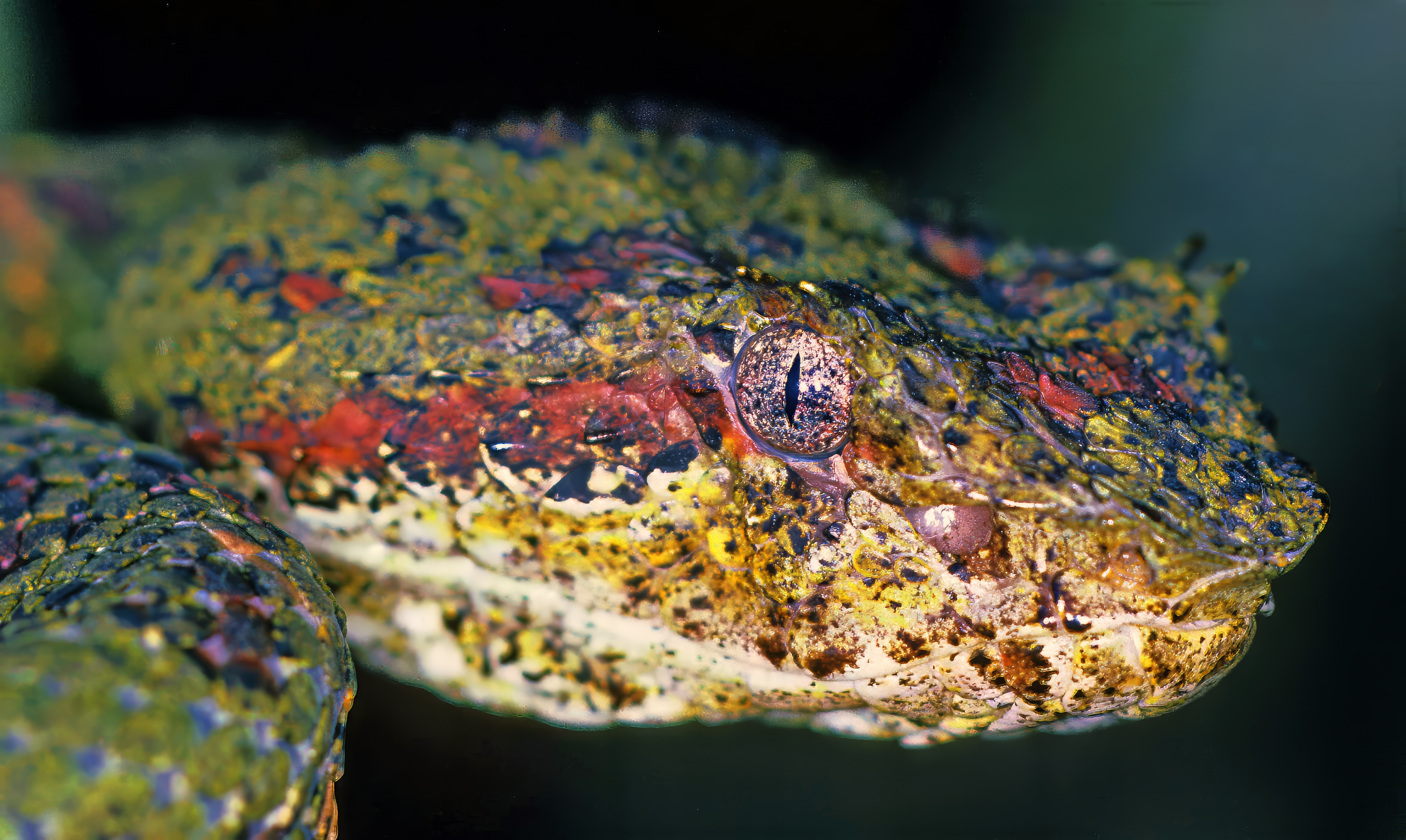

In 2024, 33 species of new snakes were described. In previous years, 51 snakes were described in 2023, 48 in 2022, 66 in 2021, and 68 in 2020. Here is a summary for 2024.
A new species of Achalinus (Xenodermatidae) described from southwest Hunan Province, China.
This new species is genetically distinct amongst its congeners with the mitochondrial COI uncorrected p-distance ranging from 4.4% (in A. yangdatongi) to 17.7% (in A. meiguensis). The recognition of the new species increases the number of described Achalinus species to 28, of which 21 are found in China.
Li H, Zhu LQ, Xiao B, Huang J, Wu SW, Yang LX, Zhang ZQ, Mo XY. A new species of the genus Achalinus (Squamata, Xenodermatidae) from southwest Hunan Province, China. ZooKeys. 2024;1189:257.

A new species of Boa from Brazil’s Atlantic Forest.
Snakes of the genus Boa are outstanding elements of the New World biota with a broad sociological influence on pop culture. Historically, several taxa have been recognized in the past 300 years, being mostly described in the early days of binomial nomenclature. As a rule, these taxa were recognized based on a suite of phenotypic characters mainly those from the external morphology. However, there is a huge disagreement with respect to the current taxonomy and available molecular phylogenies. In order to reconcile both lines of evidence, we investigate the phylogenetic reconstruction (using mitochondrial and nuclear genes) of the genus in parallel to the detailed study of some phenotypic systems from a geographically representative sample of the cis-Andean mainland Boa constrictor. We used cyt-b only (744bp) from 73 samples, and cyt-b, ND4, NTF3, and ODC partial sequences (in a total of 2305 bp) from 35 samples, comprising nine currently recognized taxa (species or subspecies), to infer phylogenetic relationships of boas. Topologies recovered along all the analyses and genetic distances obtained allied to a unique combination of morphological traits (colouration, pholidosis, meristic, morphometric, and male genitalia features) allowed us to recognize B. constrictor lato sensu, B. nebulosa, B. occidentalis, B. orophias and a distinct lineage from the eastern coast of Brazil, which we describe here as a new species, diagnosing it from the previously recognized taxa. Finally, the authors discuss the minimally necessary changes in the taxonomy of Boa constrictor complex; the value of some usually disregarded phenotypic character system; and the authors highlight the urgency of continuing environmental policy to preserve one of the most impacted Brazilian hotspots, the Atlantic Forest, which represents an ecoregion full of endemism.
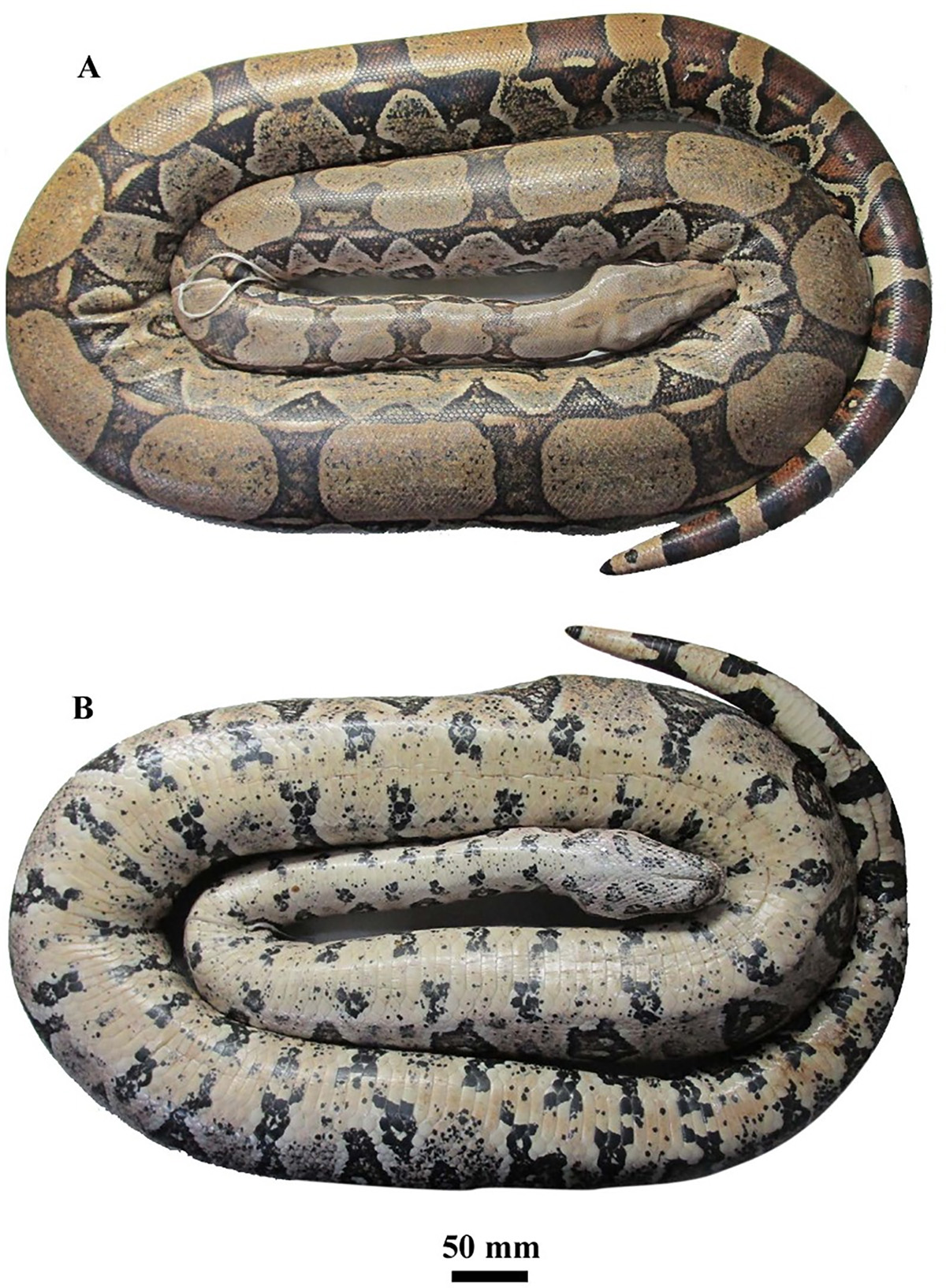
Gonzalez RC, Bezerra de Lima LC, Passos P, Silva MJJ (2024) The good, the bad and the boa: An unexpected new species of a true boa revealed by morphological and molecular evidence. PLoS ONE 19(4): e0298159.
Five new species of Eyelash Palm-Pitviper, previously considered parts of Bothriechis schlegelii
Arteaga et al. (2024) present a taxonomic review and systematic revision of the Eyelash Palm Pitviper Bothriechis schlegelii (Berthold, 1846) based on examination of 400 museum specimens, a phylogeographic analysis of 818 locality records, and 80 individuals sampled for molecular characters. They found morphological and phylogenetic support for five new species of Bothriechis Peters, 1859, which we describe here based on their unique combination of molecular, meristic, hemipenial, and color pattern characteristics. They are: B. klebbai sp. nov., B. rasikusumorum sp. nov., B. khwargi sp. nov., B. rahimi sp. nov., and B. hussaini sp. nov. Finally, we revalidate the names B. nigroadspersus (Steindachner, 1870), B. nitidus (Günther, 1859), and B. torvus (Posada Arango, 1889a), and provide a redescription of B. schlegelii.

Arteaga, A., Pyron, R.A., Batista, A., Vieira, J., Pelayo, E.M., Smith, E.N., Amorós, C.L.B., Koch, C., Agne, S., Valencia, J.H. and Bustamante, L., 2024. Systematic revision of the Eyelash Palm-Pitviper Bothriechis schlegelii (Serpentes, Viperidae), with the description of five new species and revalidation of three. Evolutionary Systematics, 8, pp.15-64.
A New Species of Krait (Elapidae) from Thailand’s Ratchaburi Province
Bungarus sagittatus sp. nov. is assigned to the genus Bungarus by its recovered phylogenetic position and having enlarged, hexagonal-shaped, midbody vertebrae scales (Smith 1943; Slowinski 1994). This species can be distinguished from other species of Bungarus by the following combination of characters: 15–15–15 dorsal scale rows; 215–217 ventral scales; 48–56 undivided subcaudal; prefrontal suture 2.4–2.6 times length of internasal suture; anterior chin shields larger than posterior chin shields; head of adult uniform black while juvenile black with small dim white patches on temporal and parietal areas; dorsal surface of body black, with 25–31 white narrow bands, white and black bands at midbody covering 1.5–3.0 and 4.5–6.0 vertebral scales, respectively; dorsal black bands of body not intruding ventrals or intruding ventrals less than 0.5 times of width of outer dorsal scales; ventral surface immaculate white; ventral side of tail white with a row of dark brown triangular patches on middle pointing posteriorly; tail relatively long, tail length/total length = 0.140–0.143. (Aksornneam et al. 2024).
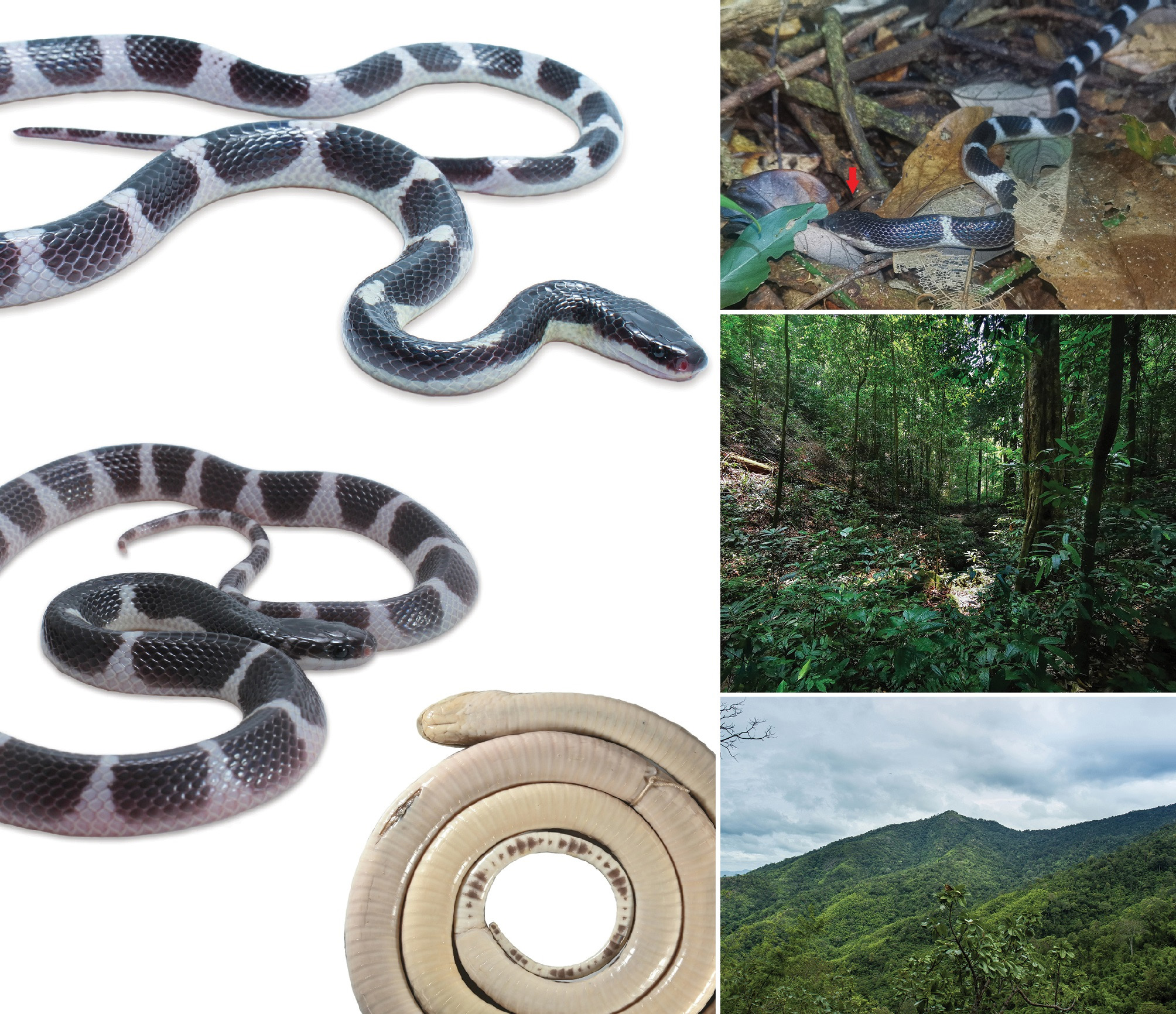
Aksornneam A, Rujirawan A, Yodthong S, Sung Y-H, Aowphol A 2024. A new species of krait of the genus Bungarus (Squamata, Elapidae) from Ratchaburi Province, western Thailand. Zoosystematics and Evolution 100(1): 141-154.