

Studying organism movement patterns can offer valuable insights into species ecology and evolution. Various methods, including radio telemetry, have revealed links between movement patterns and landscape use, antipredator behavior, life history, response to human impact, gene flow, and ecosystem function. Nevertheless, researchers have found unexpected variations in animal movement patterns that persist across different spatial and temporal scales. These variations may arise from unique evolutionary histories and biological differences among taxa, such as varying dietary needs, reproductive behaviors, or thermoregulation. As movement ecology studies become more prevalent and variations are identified across different scales, there is a growing need to understand better the factors that affect animal movement patterns among different species.
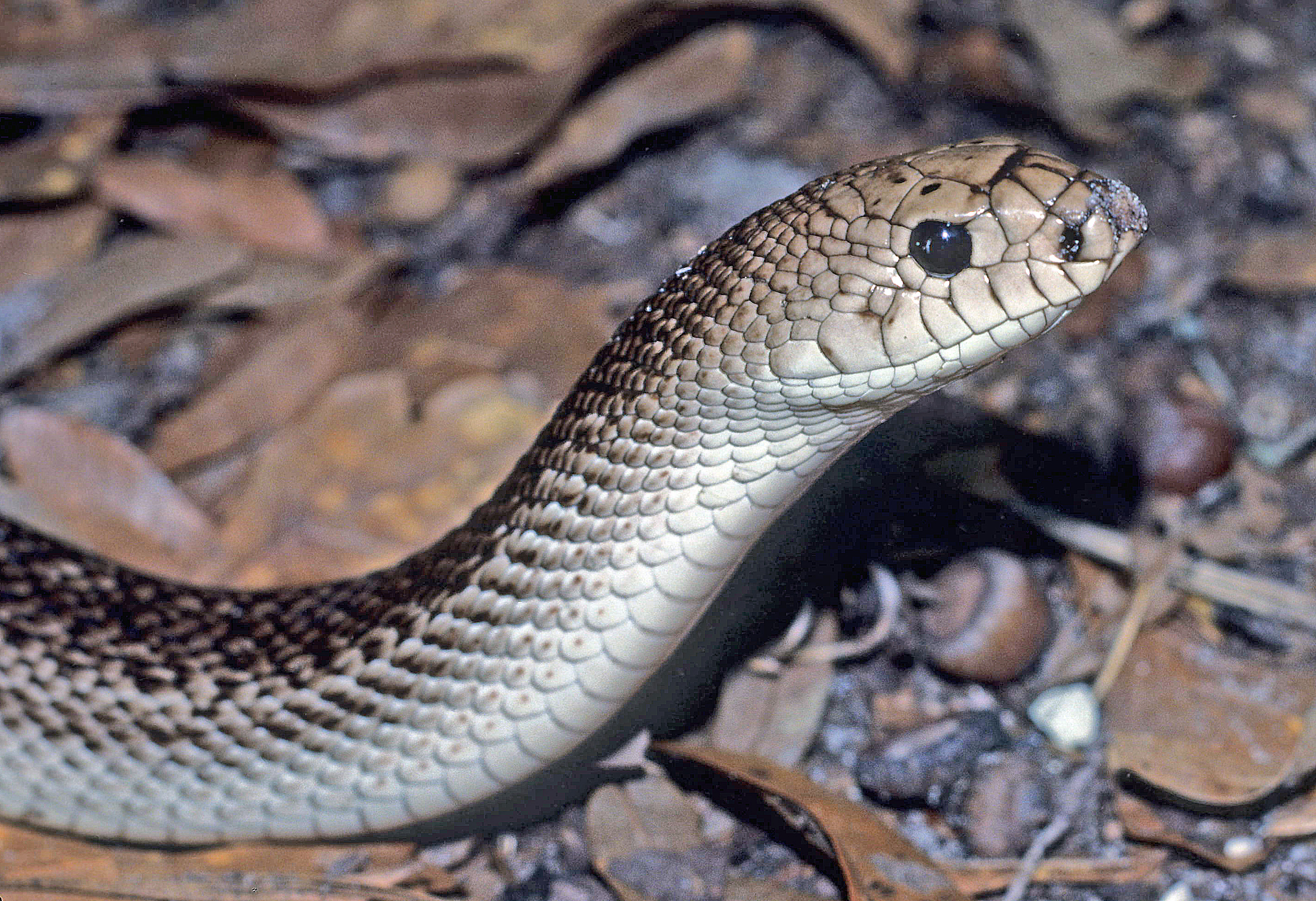
In a new study, Orton et al. (2023) look at the movements of the Florida Pine Snake, Pituophis melanoleucus mugitus, over two years at two long-leaf pine dominated sites separated by fewer than 100 km in North Florida. In the study, the authors analyzed the movement patterns of 24 adult Florida pine snakes and found that these patterns varied depending on preferred microhabitats, ambient air temperature, and reproductive behavior. The authors also observed that the snakes often positioned themselves against the base of shrubs facing outward, which may have been a strategy to balance awareness and thermoregulation. The snakes tended to select microhabitats with more ground cover and less bare ground than randomly selected plots. Based on these findings, the authors concluded that when navigating landscapes with greater heterogeneity, the snakes may need to move faster and cover more area to find suitable microhabitats that offer adequate thermoregulation and protection from predators. The authors also noted that these behaviors were not influenced by differences in microhabitat characteristics, body size, or ambient temperature at the study site.
Citation.
Orton RW, Wallrichs M, Bankovich B, Bartolotti G, Hayman B. Movement patterns in Florida pine snakes are shaped by landscape heterogeneity, ambient air temperature and reproductive ethology. Biological Journal of the Linnean Society. 2023 Apr 15:blad016.