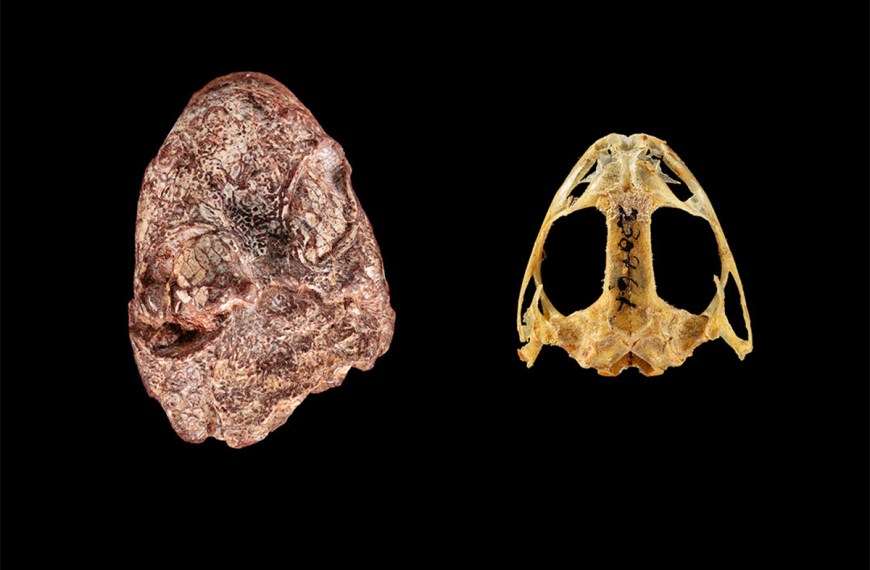


In the world of biodiversity, Earth’s amphibians play a crucial role. From the magnificent Wallace’s Flying Frog to the Trinidad’s Bromeliad dwelling tree frog and the huge Chinese Giant Salamander these fascinating animals have captured the imaginations of naturalists for centuries. Unfortunately, the latest research paints a grim picture for amphibians worldwide. A new research paper paints a bleak future for amphibians facing habitat destruction, disease, and, most prominently, climate change.
A recent global assessment, unveiled by conservationists, reveals that 41% of amphibian species are now threatened with extinction. This is a significant increase from 2004 when 39% of species faced such a dire fate. These findings highlight a growing crisis for amphibians, making them the most threatened vertebrates on our planet.
Habitat destruction and degradation are among the primary threats faced by amphibians, affecting a staggering 93% of threatened species. Human activities, such as animal agriculture and crop cultivation, continue to encroach upon their natural habitats, leaving amphibians with fewer places to call home.
While habitat destruction remains a top concern, a growing proportion of amphibian species are now imperiled by disease. The infamous chytrid fungus (Bd) wreaked havoc on amphibian populations worldwide in the late 1990s, but new pathogens from Asia and Europe pose fresh threats. Disease can devastate these sensitive creatures, particularly because they breathe through their skin.
Climate change has emerged as the main driver of amphibian declines in recent decades. As amphibians are highly sensitive to changes in their environment, the impacts of climate change are particularly severe. Rising temperatures, more frequent extreme weather events, and shifts in moisture and temperature all pose significant challenges to their survival.
Amphibians, with their skin-breathing nature and lack of protective scales or feathers, are ill-equipped to handle extreme heat. Climate change-induced heatwaves can quickly lead to dehydration, endangering their lives. Loss of moisture can also disrupt their breeding sites, further jeopardizing their populations.
Climate change can exacerbate other threats, such as fires, disease, and land use change. The destruction of their forest habitats and breeding grounds due to more frequent and intense storms, floods, and rising sea levels only adds to their woes.
Amphibians, often overlooked in conservation efforts, need our immediate attention. A global movement is required to catalyze their recovery and protect their delicate ecosystems. When we safeguard amphibians, we also preserve terrestrial and aquatic ecosystems, protect genetic diversity, and invest in a future where all life thrives.
The plight of Earth’s amphibians is a stark reminder of the consequences of climate change and human activities on our planet’s delicate balance. As a naturalist, I urge you to recognize the vital role these creatures play and join the efforts to conserve biodiversity. Understanding the health of our planet goes hand in hand with protecting and restoring amphibians, ensuring a brighter future for all life, including humanity.
Citation
Luedtke, J.A., Chanson, J., Neam, K. et al. Ongoing declines for the world’s amphibians in the face of emerging threats. Nature (2023). https://doi.org/10.1038/s41586-023-06578-4