-
A Scuba-diving Lizard
posted on
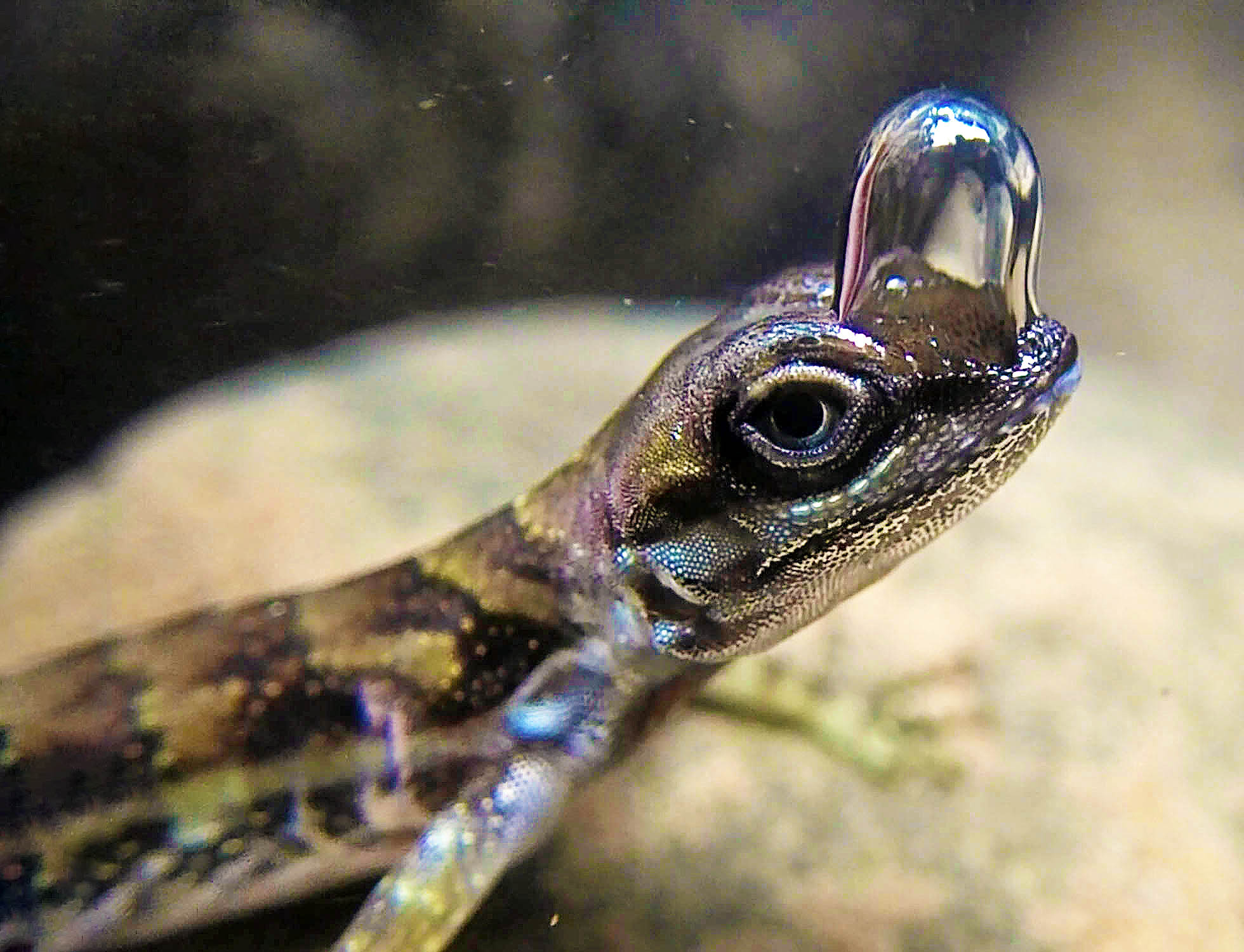
Many small invertebrates utilize bubbles to facilitate underwater respiration, but until recently, there was no evidence that vertebrate animals do the same. Only one group of vertebrates, semi-aquatic Anolis lizards, has evolved the ability to use air trapped in bubbles. These lizards dive underwater when threatened, and while underwater, they rebreathe a bubble of air over their…
-
Aquatic Snakes, Diversity and Natural History
posted on

This book is available as a high quality PDF on the Herpetological Conservation International website. Aquatic Snakes, Diversity and Natural History covers about 420 snake species with text written by over a dozen co-authors and images supplied by about 120 photographers. The book is currently available as a PDF and will eventually be available as…
-
The Rapid Evolution of Snakes
posted on

About 128 million years ago, a surge of adaptation caused snakes to explode in diversity and evolve up to three times faster than lizards. Since they initially descended from lizards, snakes were minor ecological players that slithered around the periphery of ecosystems dominated by dinosaurs more than 100 million years ago. But now, there are…
-
Successful Skinks
posted on

Geckos and skinks are lizard lineages that have been remarkably successful, as measured by the number of species recognized as well as , the size of their geographic range, the variety of habitats, ecological niches, and the diversity of their morphological and life-history features. The range, ecology, morphology, and life history of the varied lineage…
-
Frogs are younger than previously thought
posted on
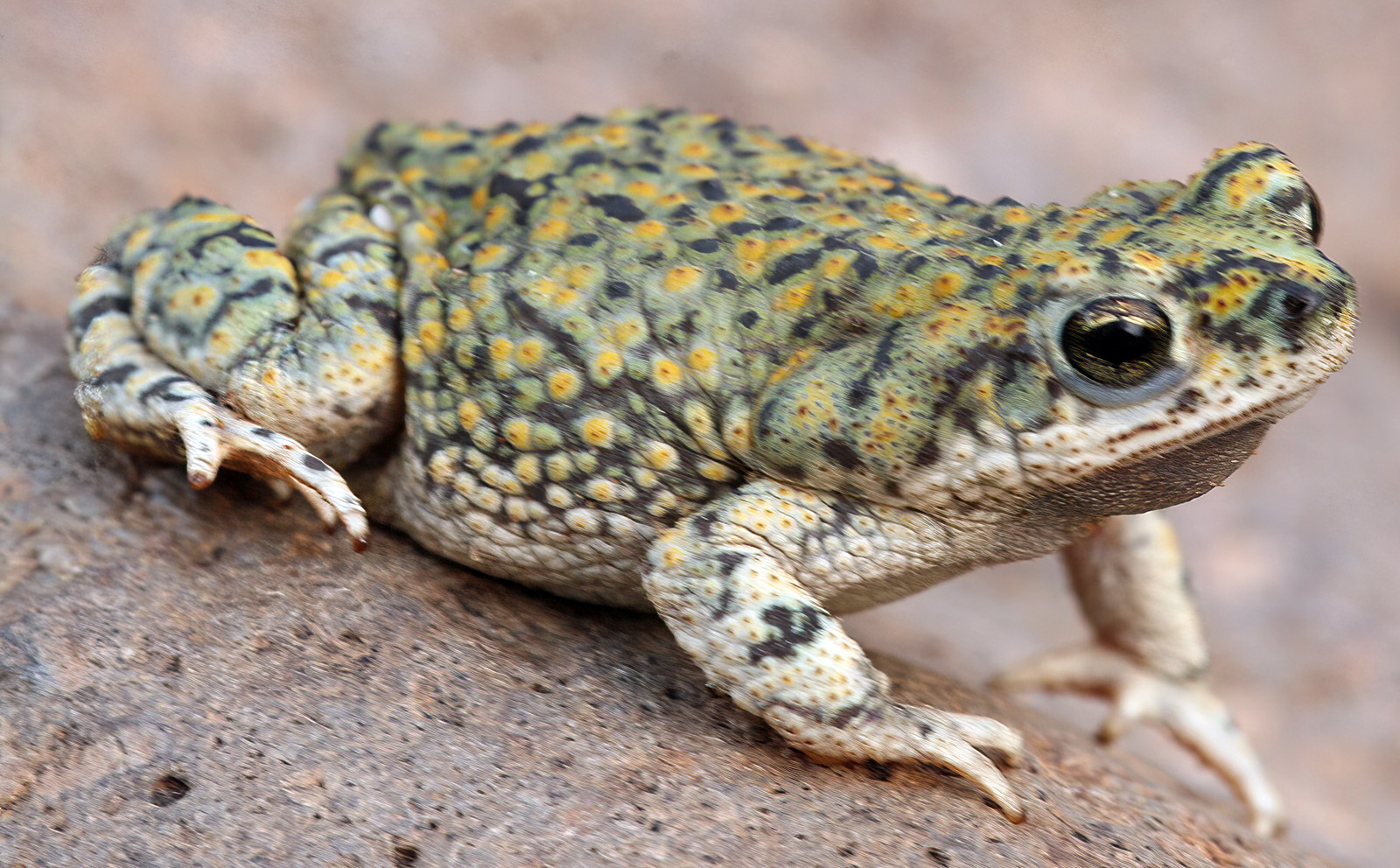
In evolutionary and ecological research across various organisms, the utilization of large-scale, time-calibrated phylogenies derived from supermatrix studies has gained paramount importance. Nonetheless, a notable issue persists with the existing supermatrix-based estimates when it comes to frogs, a subset of anuran amphibians. This predicament arises because these phylogenetic trees rely on a rather limited set…
-
Venom in the Blunt-headed Treesnakes
posted on

Biological specialization refers to the process by which organisms adapt to occupy specific ecological niches, reducing the available niche space and increasing the efficient utilization of resources. This specialization often occurs through natural selection, which drives phenotypic changes that align with the constraints of the niche.
-
Modeling reptile distributions suggests climate change will exacerbate extinctions
posted on

The impact of future climate change on global reptile diversity and distributions is a topic of concern. The potential effects on species range, position, and overlap across lizards, snakes, and turtles could result in a significant decrease in reptile richness around the world.
-
Snake teeth show more diversity than previously thought
posted on

Their results showed that the hardness and shape of the prey, as well as the environment in which the snake hunts, play a significant role in determining the shape and size of its teeth. Snakes with long, curved teeth with a thin layer of hard tissue are better adapted to maintain a grip on their…
-
Giant and Dwarf Body Sizes – a mechanism for evolution
posted on

We found that there was no relationship between growth rate and size,” said D’Emic. “Some gigantic dinosaurs grew very slowly, slower than alligators do today. And some smaller dinosaurs grew very fast, as fast as mammals that are alive today.” This made sense to co-author Thomas Pascucci, whose graduate thesis contributed to the project: “Extinct…
-
Mountain Mist Frog declared extinct
posted on

the frog Ranoidea nyakalensis (Liem, 1974) was endemic to tropical Australia has been declared extinct after not being seen since 1990.
-
A new lizard from the Triassic
posted on

The origins of mammals and birds are relatively well understood, while the roots of squamates have been obscure. In a new paper (Whiteside et al. 2022) report a modern-type lizard from the Late Triassic of England [202 million years (Ma)], comprising a partial skeleton, skull, and mandibles. It displays at least 15 unique squamate traits…
-
The Union Island Gecko population recovers
posted on
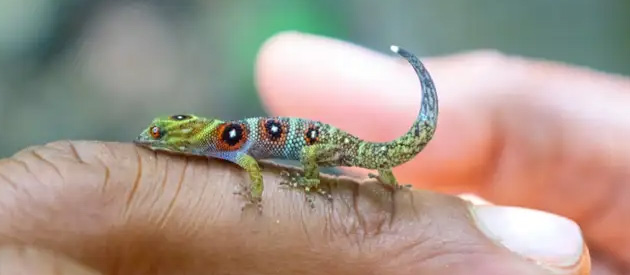
The population of Union Island geckos plummeted due to the illegal international pet trade, but conservationists working with local people in Saint Vincent and the Grenadines have helped increase the population.
-
Squamates underwent rapid evolution in the Jurassic
posted on
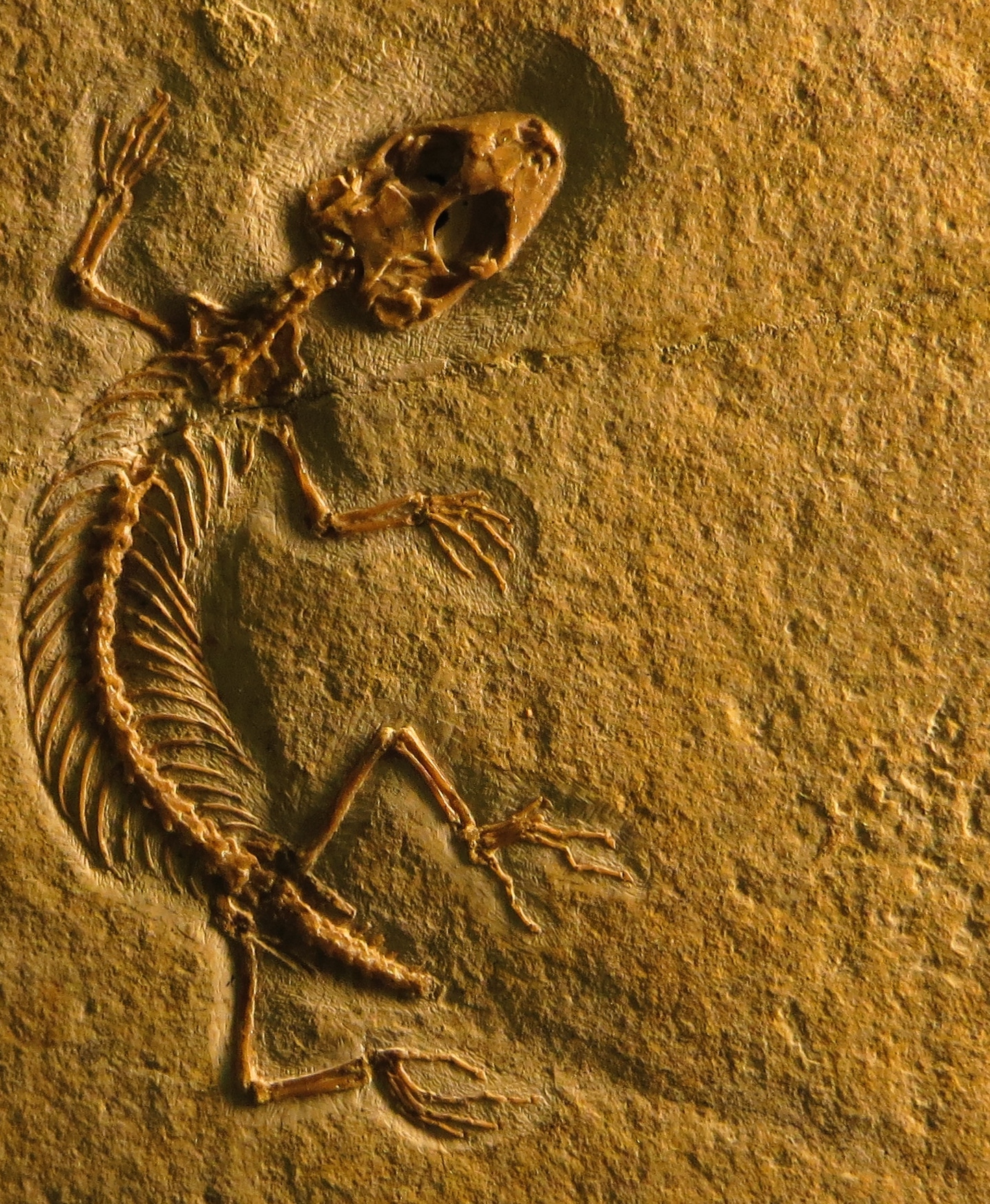
The Squamata are key parts of modern terrestrial faunas, especially in warmer climates, with a diversity of more than 10,000 species. However, understanding the evolutionary paths that made them successful are poorly understood.
-
Reptile extinctions in the Guadeloupe Islands
posted on

The sixth extinction – that is the present global biodiversity crisis is current and on-going. The International Union for Conservation of Nature (IUCN) suggests the disappearance of at least 1.07% of Earth’s vertebrate species over the past 500 years, a number that is probably grossly underestimated given the lack of subfossil data and poor documentation…
-
Evolution of viviparity in arboreal lizards
posted on
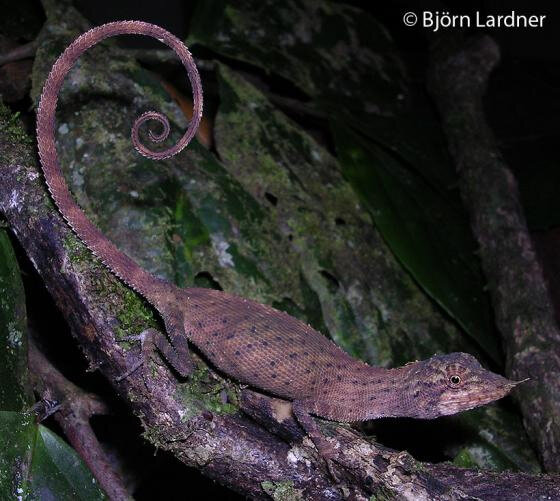
Since Robert Mertens described Harpesaurus borneensis in 1924, it has been not easy to find. The type locality is in central Borneo (Kalimantan), and the species is known from four localities, Sarawak and Kalimantan. In a new paper, Kurita et al. (2020) provide insights into this unusual agamid lizard. The arboreal species moves slowly and…
-
Snake pattern evolution
posted on
Color patterns of snakes have been the subject of many studies and even more speculation. Why is it that some species are uniform in color, while others are striped, banded, or some other combination of patterns. Allen and colleagues (2013) note that an understanding of the diversity of color patterns found in snakes requires detailed…

SerpentResearch.Com
Amphibians, Reptiles, & Natural History





You must be logged in to post a comment.