-
Conserving the Axolotl
posted on
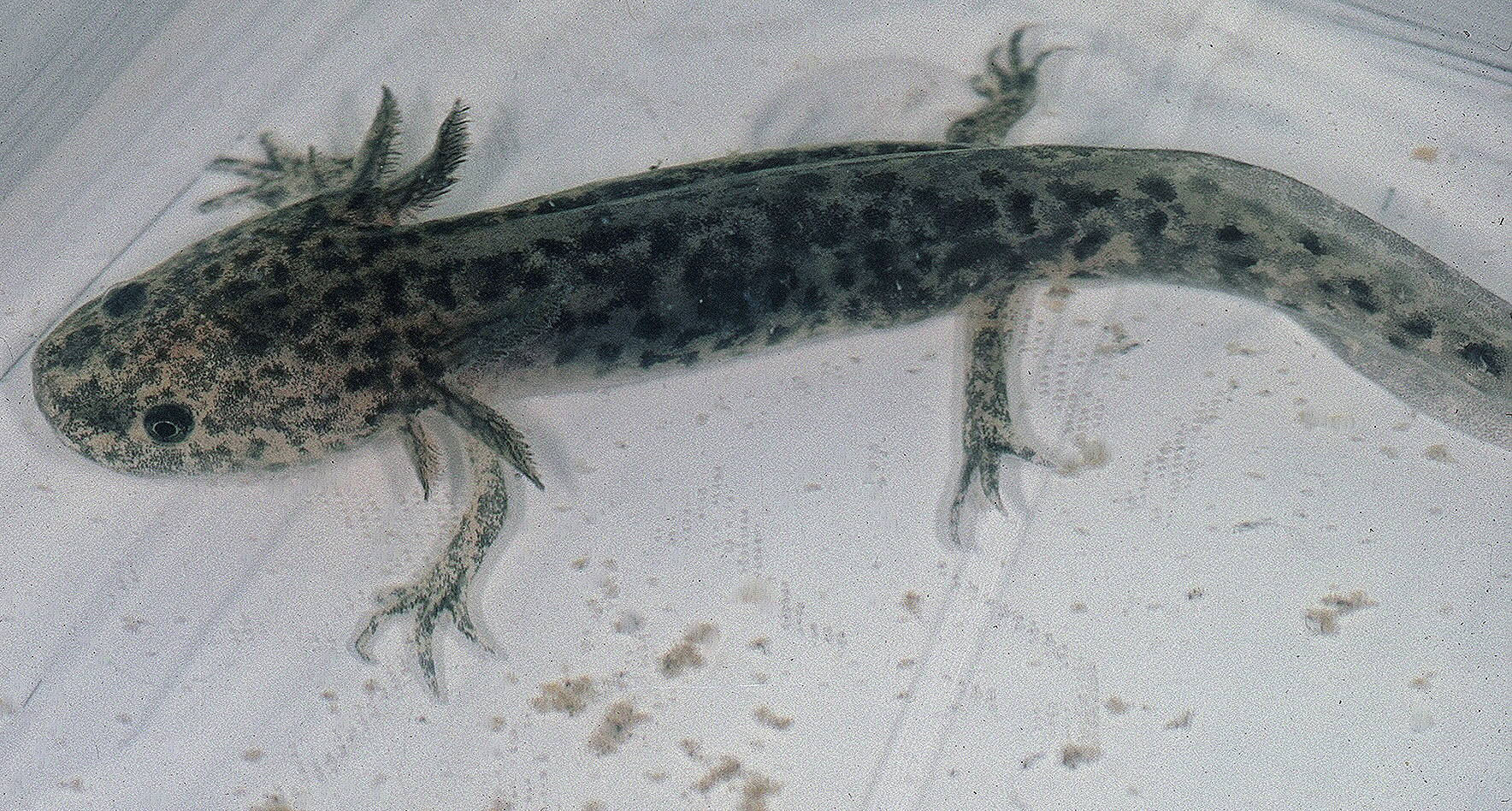
The following article is based on Smith (2023) and Sanchez (2024). Links to the complete articles are in the references section. Xochimilco is a sizable, semirural neighborhood located south of Mexico City. Chinampas, or farmland plots, are surrounded by a massive network of canals. The Xochimilcas, a group of Náhuatl-speaking people who were among the…
-
Prehistoric Amphibian Ancestor Is Named for Kermit the Frog
posted on

The species seemed to have bug eyes and a smile, so a team of researchers named it Kermitops gratus in honor of the banjo-playing Muppet. Michael Levenson, NYT One crawled across the rain-drenched ground of what is now Texas more than 270 million years ago, possibly feasting on fast-moving insects. The other endeared himself to…
-
Amphibians on the Edge: Climate Change and Other Threats to Survival
posted on

In the world of biodiversity, Earth’s amphibians play a crucial role. From the magnificent Wallace’s Flying Frog to the Trinidad’s Bromeliad dwelling tree frog and the huge Chinese Giant Salamander these fascinating animals have captured the imaginations of naturalists for centuries. Unfortunately, the latest research paints a grim picture for amphibians worldwide. A new research…
-
New Frogs from Ecuador
posted on
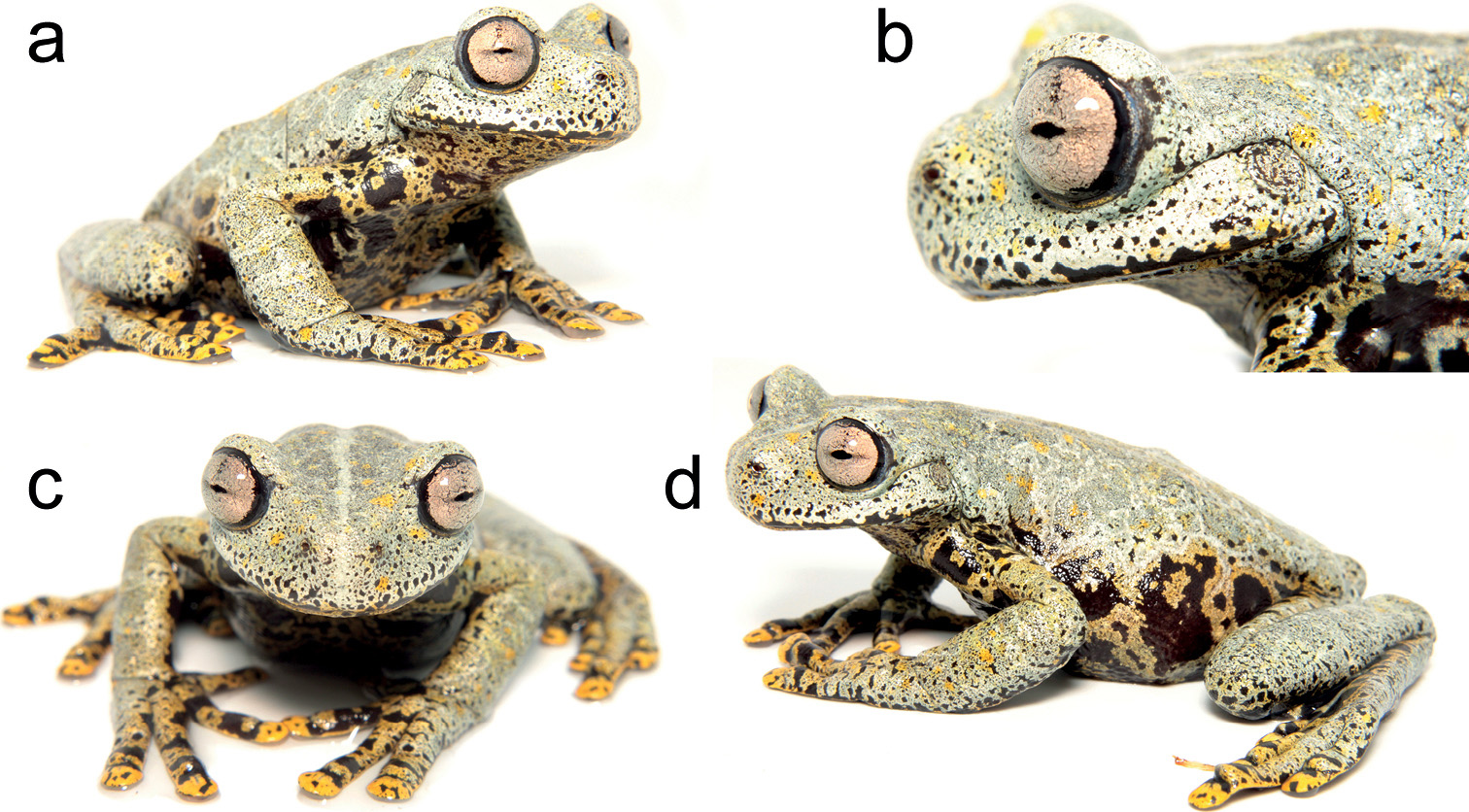
Hyloscirtus tolkieni is a steream breeding hylid from from Río Negro-Sopladora National Park, province of Morona Santiago.
-
Glassfrogs hide their blood cells to become transparent
posted on
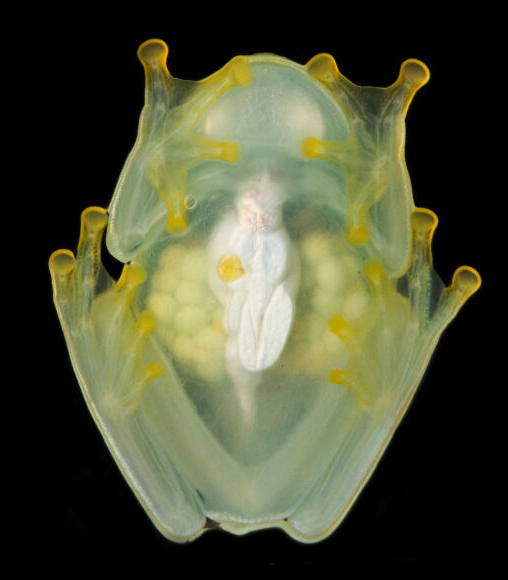
resting glassfrogs increase transparency two- to threefold by removing nearly 90 percent of their red blood cells from circulation
-
Mountain Mist Frog declared extinct
posted on

the frog Ranoidea nyakalensis (Liem, 1974) was endemic to tropical Australia has been declared extinct after not being seen since 1990.
-
Madagascar Biodiversity – an opportunity
posted on
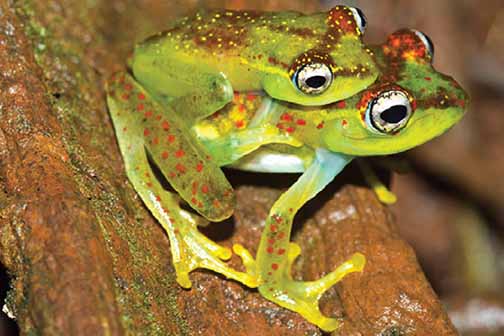
Madagascar’s unique biota is heavily affected by human activity and is under intense threat.
-
Estimating the size of ancient amphibians
posted on

the temnospondyls used in this study, had heads that were more croc-like
-
Movement ecology of the Chinese Giant Salamander
posted on
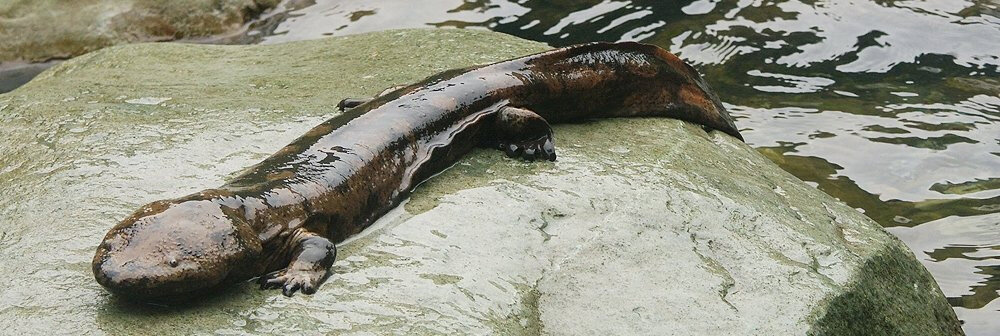
In a recently published paper Wang et al. (2021) studied the movement of critically endangered Chinese giant salamander (Andrias davidianus). The behavior remains poorly understood due to the rareness of wild individuals of this species. Their study focused on movement after reintroduction, especially the abiotic and biotic influences that affect its movement.…
-
Salamanders & Road Salt
posted on
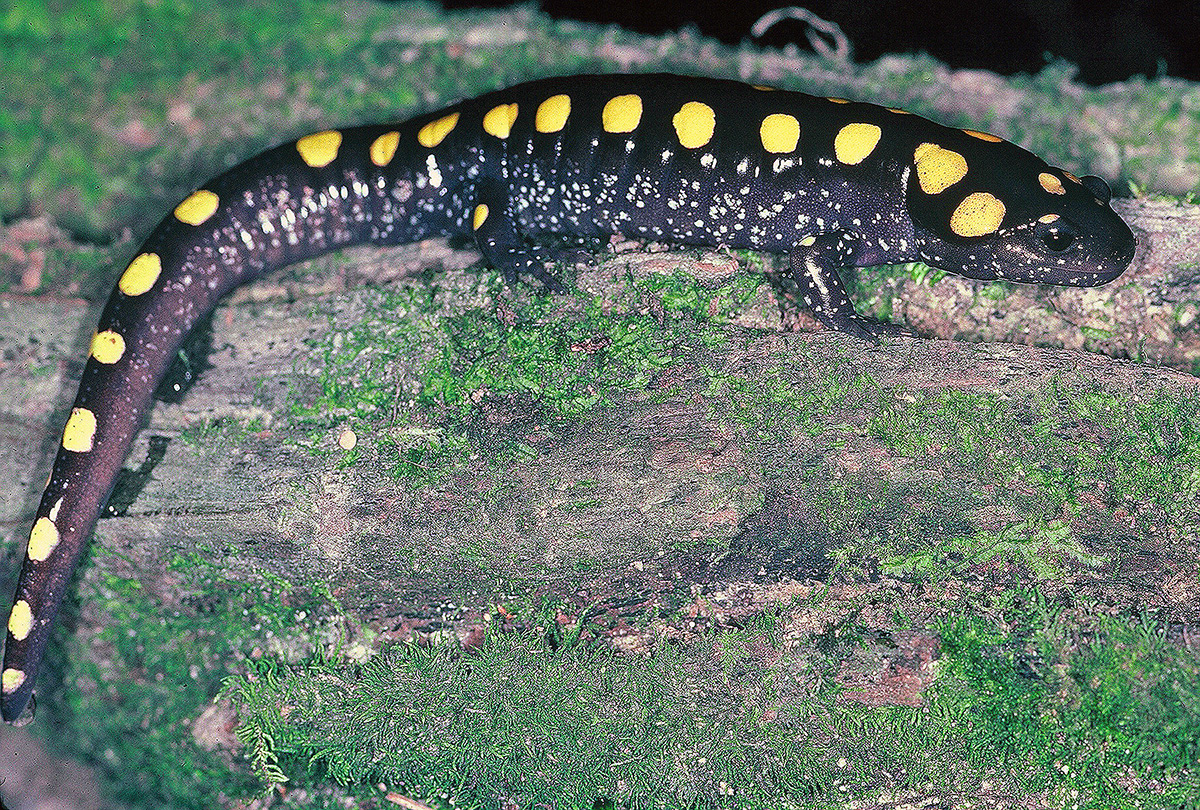
Salamanders breeding in roadside ponds are exposed to various contaminants from road runoff. Chief among these is sodium chloride from road salt, which reaches average concentrations of 70 times higher in roadside ponds compared to woodland ponds located several hundred feet from the road.

SerpentResearch.Com
Amphibians, Reptiles, & Natural History





You must be logged in to post a comment.