-
New snake species described in 2024. Part 2.
posted on

A New Chironius from Ceara, Brazil Currently, the proposed diagnoses for the Chironius bicarinatus complex reflect a wide variation in color pattern and pholidosis. Sudre et al. (2024) reviewed the Chironius bicarinatus complex based on morphological and molecular data from a sample of 485 specimens covering the species distribution. Their results corroborate the recognition of C. bicarinatus and C. gouveai, and diagnose a distinct lineage…
-
New snake species described in 2024. Part 1.
posted on
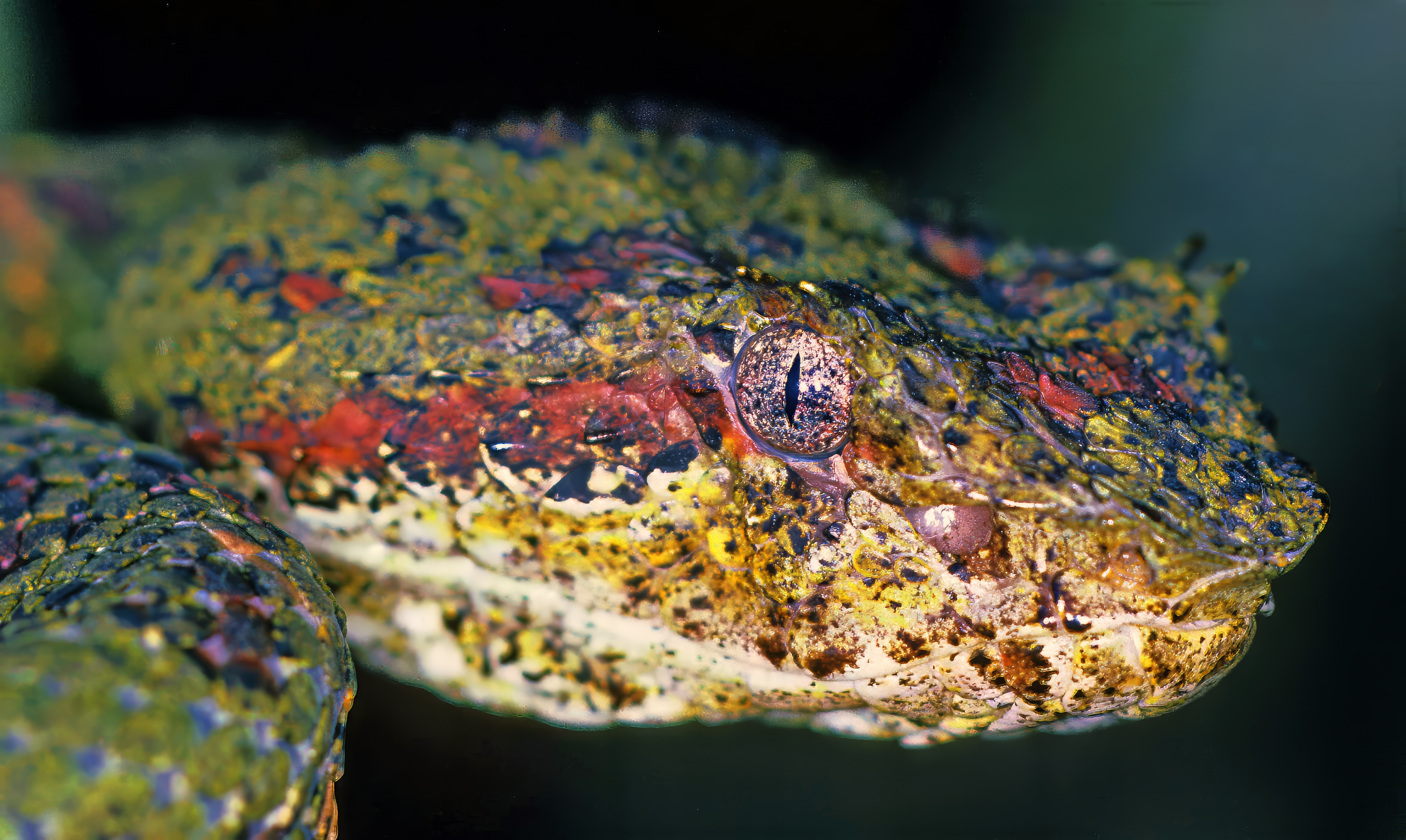
In 2024, 33 species of new snakes were described. In previous years, 51 snakes were described in 2023, 48 in 2022, 66 in 2021, and 68 in 2020. Here is a summary for 2024. A new species of Achalinus (Xenodermatidae) described from southwest Hunan Province, China. This new species is genetically distinct amongst its congeners with…
-
Recently described snakes and changes in taxonomy – February 2024
posted on
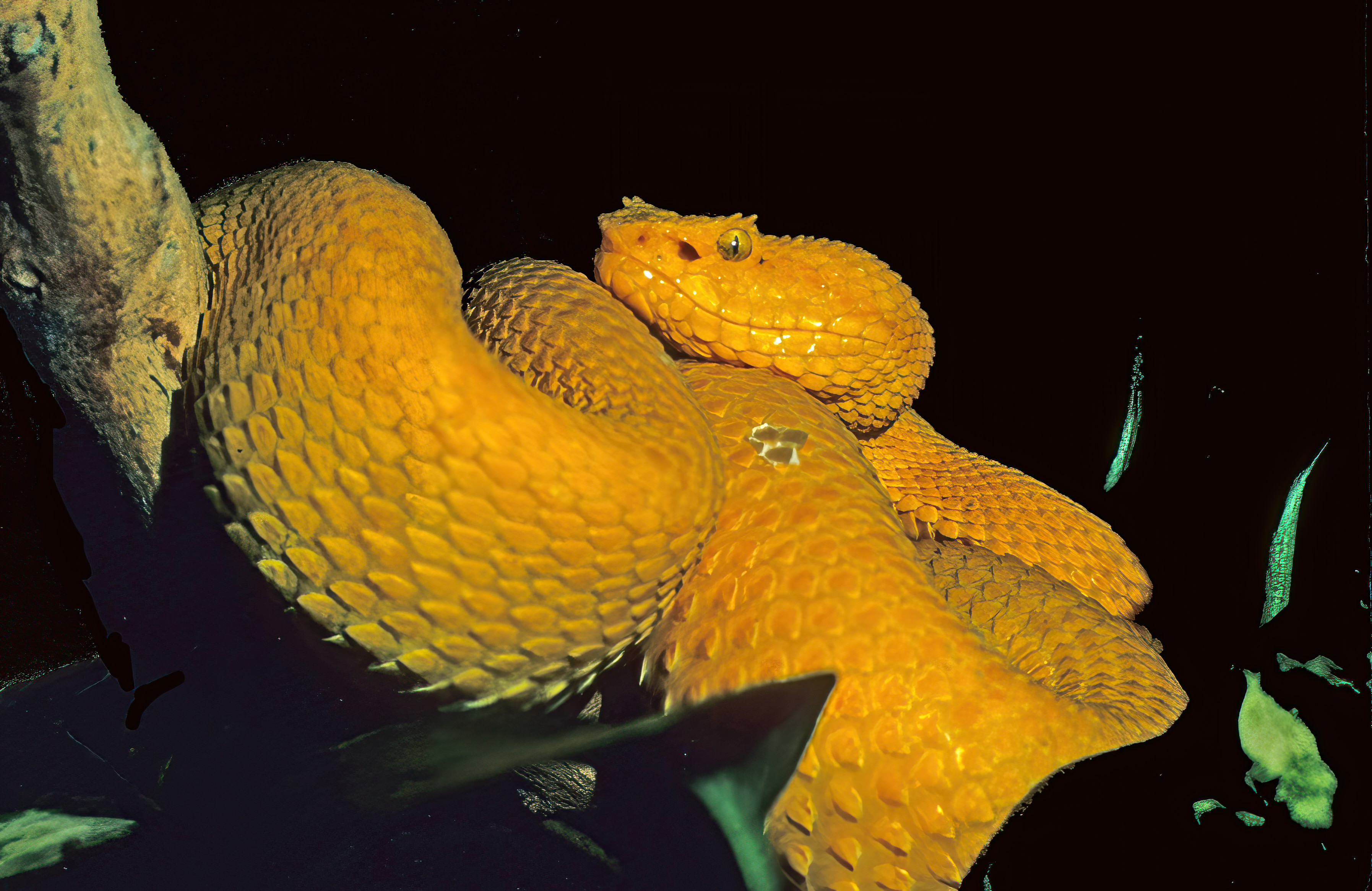
A new species of endemic snake from the Lost World The Pantepui is a remote, biodiverse region of ~400 000 km2 in northern South America it contains at least five endemic reptile genera and several ancient vertebrate lineages. Kok and Means (2024) describe a new endemic snake genus and species, Paikwaophis kruki (Dipsadidae: Xenodontinae), recently collected…
-
A new genus and species of snake from the Lost World (Guyana)
posted on

The Pantepui is a remote, biodiverse region made famous by Arthur Conan Doyle’s novel, The Lost World. In a recent article, Kok and Means (2023) describe the new species, Paikwaophis kruki (Dipsadidae: Xenodontinae). It was recently collected in the Pantepui cloud forest that sits at the base of the steep cliffs of Roraima-tepui and Wei-Assipu-tepui…
-
An endemic, highly aquatic homalopsid snake from Sulawesi
posted on
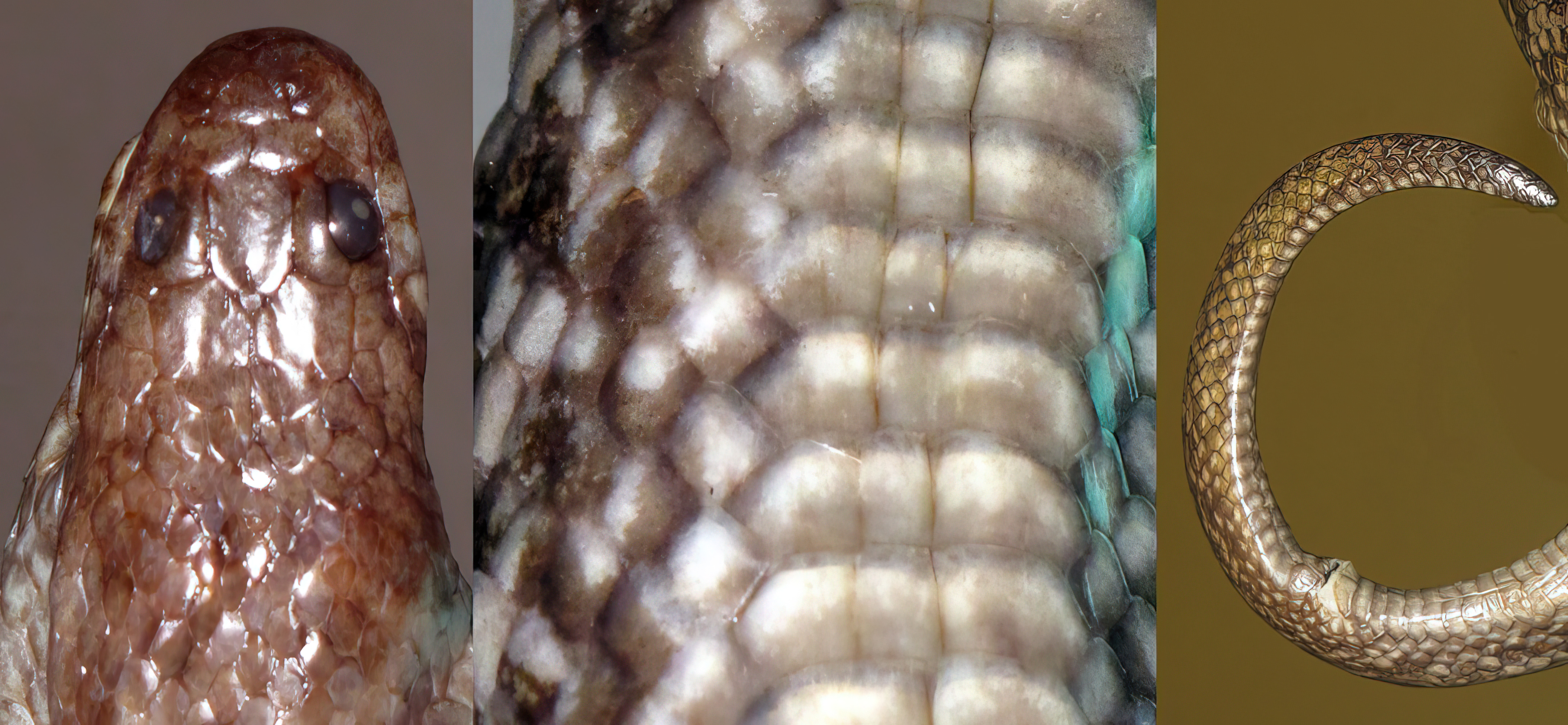
A recent paper (Hamidy et al 2023) describes a new homalopsid snake species, Hypsiscopus indonesiensis. The new snake is restricted to Lake Towuti on the island of Sulawesi. Hypsiscopus indonesiensis were collected from a shady area with a water depth of about 10–15 cm and one m from the land. The new species is assigned…
-
A new species of Hynobius Salamander from China
posted on

There are currently six described species on the Chinese mainland and five on Taiwan island, all of which are terrestrial, partially fossorial, and undergo larval development in water bodies. However, one Hynobius salamander collected in Fujian in 1978 has not been observed since, suggesting possible local extinctions. To investigate the taxonomic status of this salamander,…
-
A new spiny gymnophthalmid from the Pacific slopes of the Ecuadoran Andes
posted on

The holotype of Echinosaura fischerorum sp. nov. (male, DHMECN 15208) in dorsal (upper left), ventral (upper right), and lateral (bottom) views. Scale bars = 10 mm. Photographs by MYM.
-
The Green Rat Snake contains candidate species
posted on

A new paper in Herpetology and Ichthyology finds the Green Rat Snake likely contains multiple species level clades.
-
How many species of king cobras are there?
posted on

The King Cobra is thought of as a single wide spread species, but a recent paper published in MPE suggests it is at least four species.
-
What is the world’s smallest advanced snake?
posted on
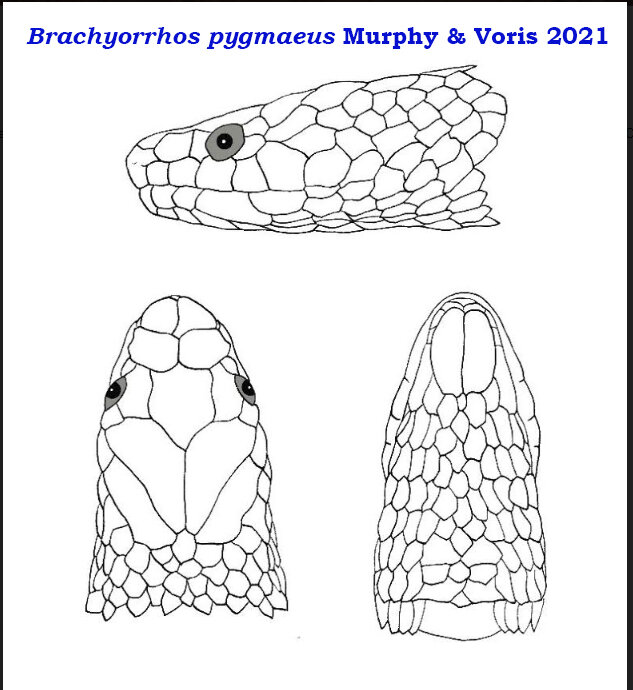
The Barbados Threadsnake, (Tetracheilostoma carlae), is considered the world’s smallest snake. It is tiny – reaching a maximum adult length of only 104 mm (4.1 inches) and an average weight of 0.6 g (0.02 ounce). Described by Hedges (2008), it is a member of the ancient clade Leptotyphlopidae commonly referred to as threadsnakes. Threadsnakes, Blindsnakes…

SerpentResearch.Com
Amphibians, Reptiles, & Natural History





You must be logged in to post a comment.