-
The Kingsnake and the Rattlesnake – predator and prey
posted on
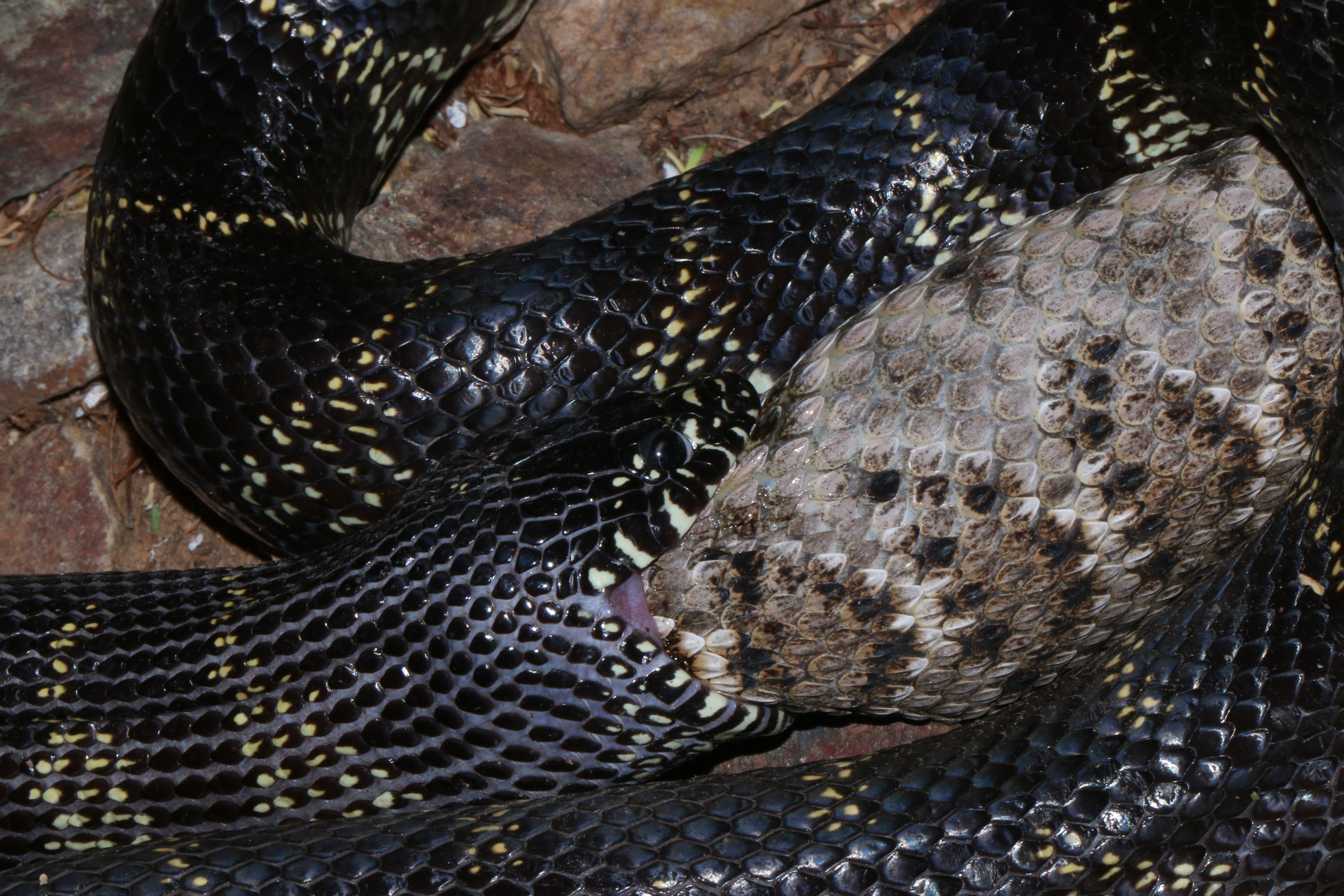
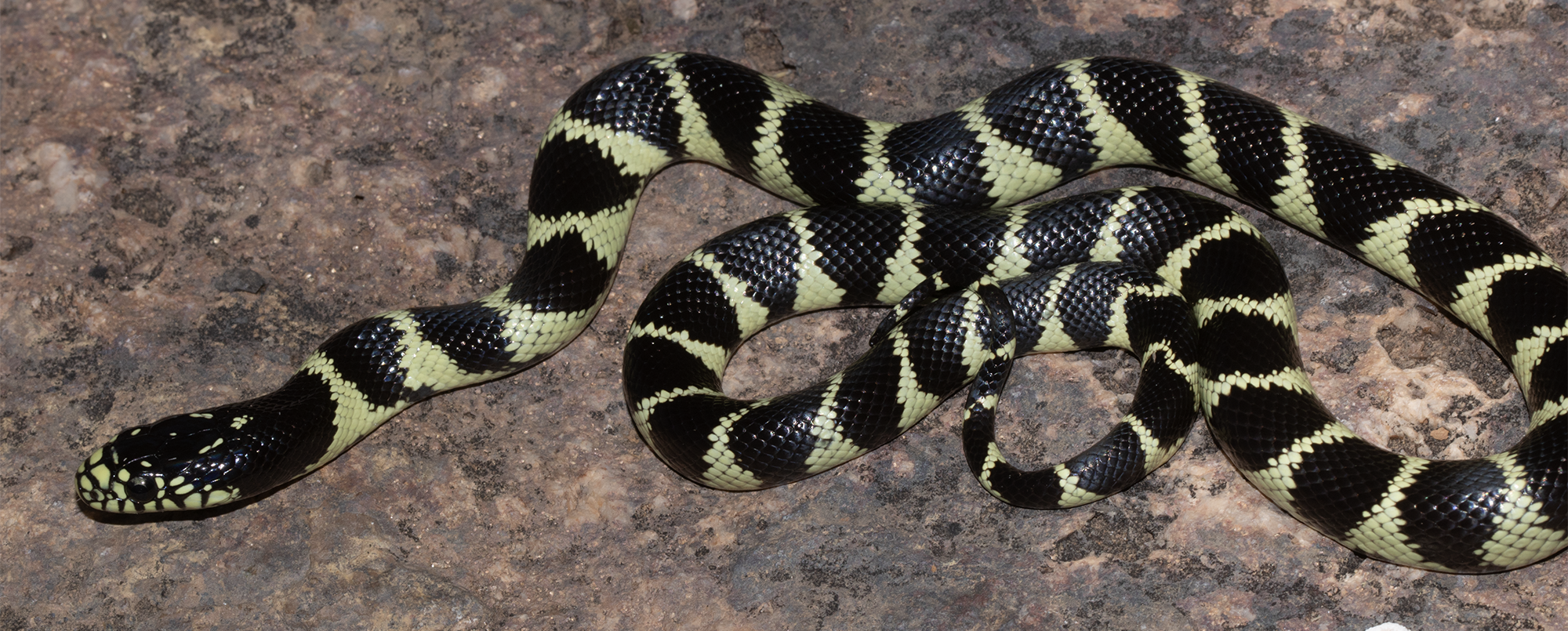
The feeding behavior of kingsnakes preying on rattlesnakes is a well-known example of a predator-prey relationship among snakes. Recently, my neighbor drew my attention to what he believed to be a snake coiled up near a sidewalk. Upon closer examination, I discovered that there were two snakes present. One was a typically patterned Green Valley…
-
Modeling reptile distributions suggests climate change will exacerbate extinctions
posted on

The impact of future climate change on global reptile diversity and distributions is a topic of concern. The potential effects on species range, position, and overlap across lizards, snakes, and turtles could result in a significant decrease in reptile richness around the world.
-
A frog that feeds on flowers and nectar, and pollinates plants
posted on

On balmy evenings in the vicinity of Rio de Janeiro, a peculiar sight might greet you – milk fruit trees adorned with brownish-orange frogs. Most frog species have an insect-based diet, but the Xenohyla truncata tree frog has developed a taste for the fruity pulp and nectar within the tree’s flowers.
-
Largest Freshwater Turtle, nearly extinct
posted on

The Yangtze giant softshell turtle, known as Rafetus swinhoei, is a critically endangered species characterized by its unique physical features, such as its deep head with a pig-like snout and dorsally placed eyes. This turtle is native to eastern and southern China and northern Vietnam and is considered the largest freshwater turtle in the world,…
-
Florida Pine Snake, movement & ecology
posted on
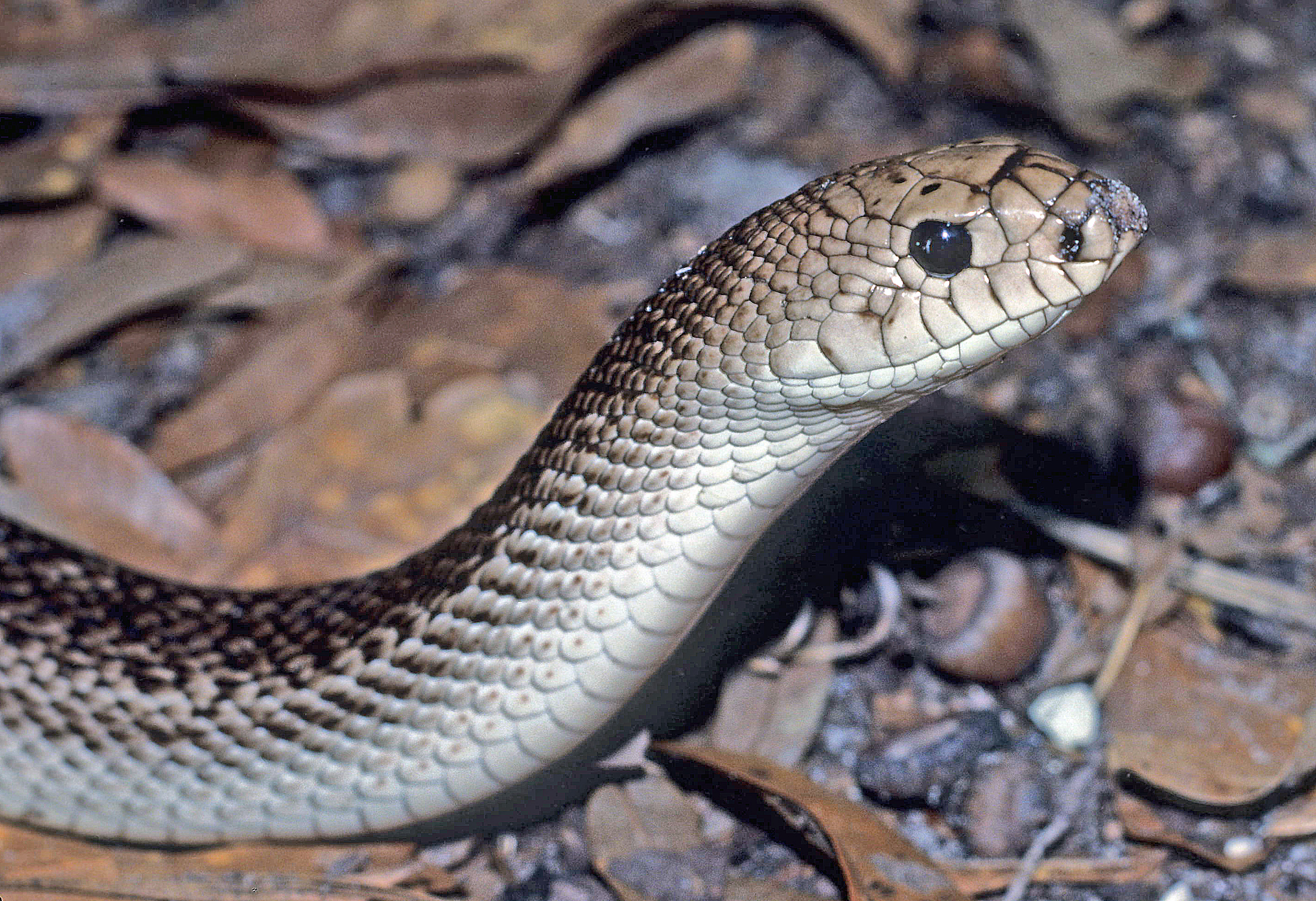
Studying organism movement patterns can offer valuable insights into species ecology and evolution. Various methods, including radio telemetry, have revealed links between movement patterns and landscape use, antipredator behavior, life history, response to human impact, gene flow, and ecosystem function. Nevertheless, researchers have found unexpected variations in animal movement patterns that persist across different spatial…

SerpentResearch.Com
Amphibians, Reptiles, & Natural History





You must be logged in to post a comment.