-
Aquatic Snakes, Diversity and Natural History
posted on

This book is available as a high quality PDF on the Herpetological Conservation International website. Aquatic Snakes, Diversity and Natural History covers about 420 snake species with text written by over a dozen co-authors and images supplied by about 120 photographers. The book is currently available as a PDF and will eventually be available as…
-
Sand-dwellers and Climate Change
posted on

Lizards and snakes living in sandy soils in dry habitats and tolerating high temperatures have been considered beneficiaries of global warming as suitable habitats expand due to climate change. However, a study by Brazilian researchers shows this is not necessarily the case, according to an article published in the Journal of Arid Environments. “We concluded that climate change…
-
Successful Skinks
posted on

Geckos and skinks are lizard lineages that have been remarkably successful, as measured by the number of species recognized as well as , the size of their geographic range, the variety of habitats, ecological niches, and the diversity of their morphological and life-history features. The range, ecology, morphology, and life history of the varied lineage…
-
Florida Pine Snake, movement & ecology
posted on
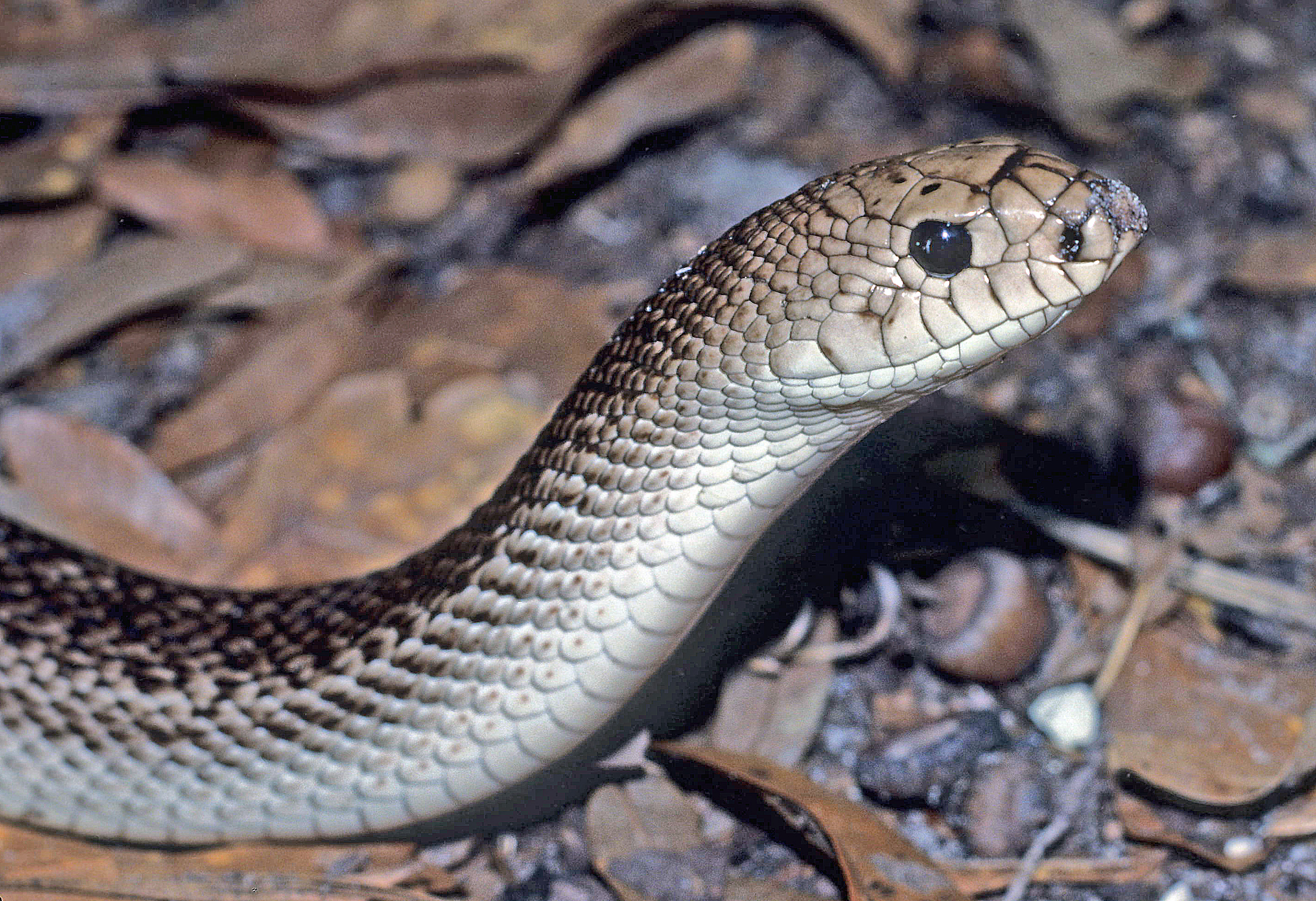
Studying organism movement patterns can offer valuable insights into species ecology and evolution. Various methods, including radio telemetry, have revealed links between movement patterns and landscape use, antipredator behavior, life history, response to human impact, gene flow, and ecosystem function. Nevertheless, researchers have found unexpected variations in animal movement patterns that persist across different spatial…
-
Animals are our greatest allies in reforestation
posted on
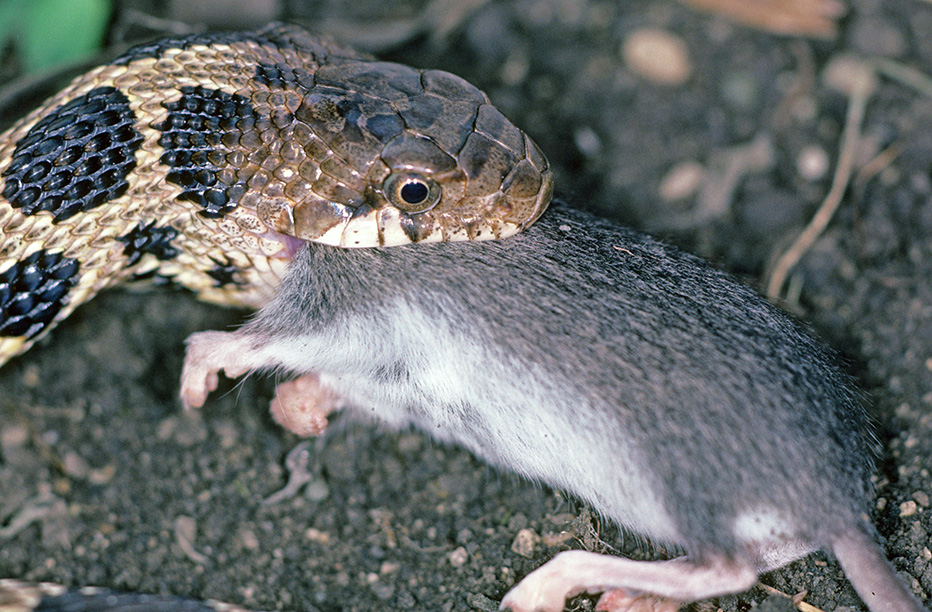
“Animals are our greatest allies in reforestation…
-
Reptile extinctions in the Guadeloupe Islands
posted on

The sixth extinction – that is the present global biodiversity crisis is current and on-going. The International Union for Conservation of Nature (IUCN) suggests the disappearance of at least 1.07% of Earth’s vertebrate species over the past 500 years, a number that is probably grossly underestimated given the lack of subfossil data and poor documentation…
-
Snake pattern evolution
posted on
Color patterns of snakes have been the subject of many studies and even more speculation. Why is it that some species are uniform in color, while others are striped, banded, or some other combination of patterns. Allen and colleagues (2013) note that an understanding of the diversity of color patterns found in snakes requires detailed…
-
Fungal Ant Gardens as Incubators for Snake Eggs
posted on
Parental care in snakes is poorly documented. It has been known since the 18th century that female pythons will not only guard their eggs but warm them when the ambient temperature drops; female king cobras have been long known to build nests of decomposing vegetation for their eggs and stay nearby; and more recently maternal…
-
Loggerhead Feeding Ecology
posted on
GAINESVILLE, Fla. – Satellite tracking of threatened loggerhead sea turtles has revealed two previously unknown feeding ‘hotspots’ in the Gulf of Mexico that are providing important habitat for at least three separate populations of the turtles, according to a study published recently in the journal Biological Conservation. The two sites, located in the open waters…


SerpentResearch.Com
Amphibians, Reptiles, & Natural History





You must be logged in to post a comment.