-
Conserving the Axolotl
posted on
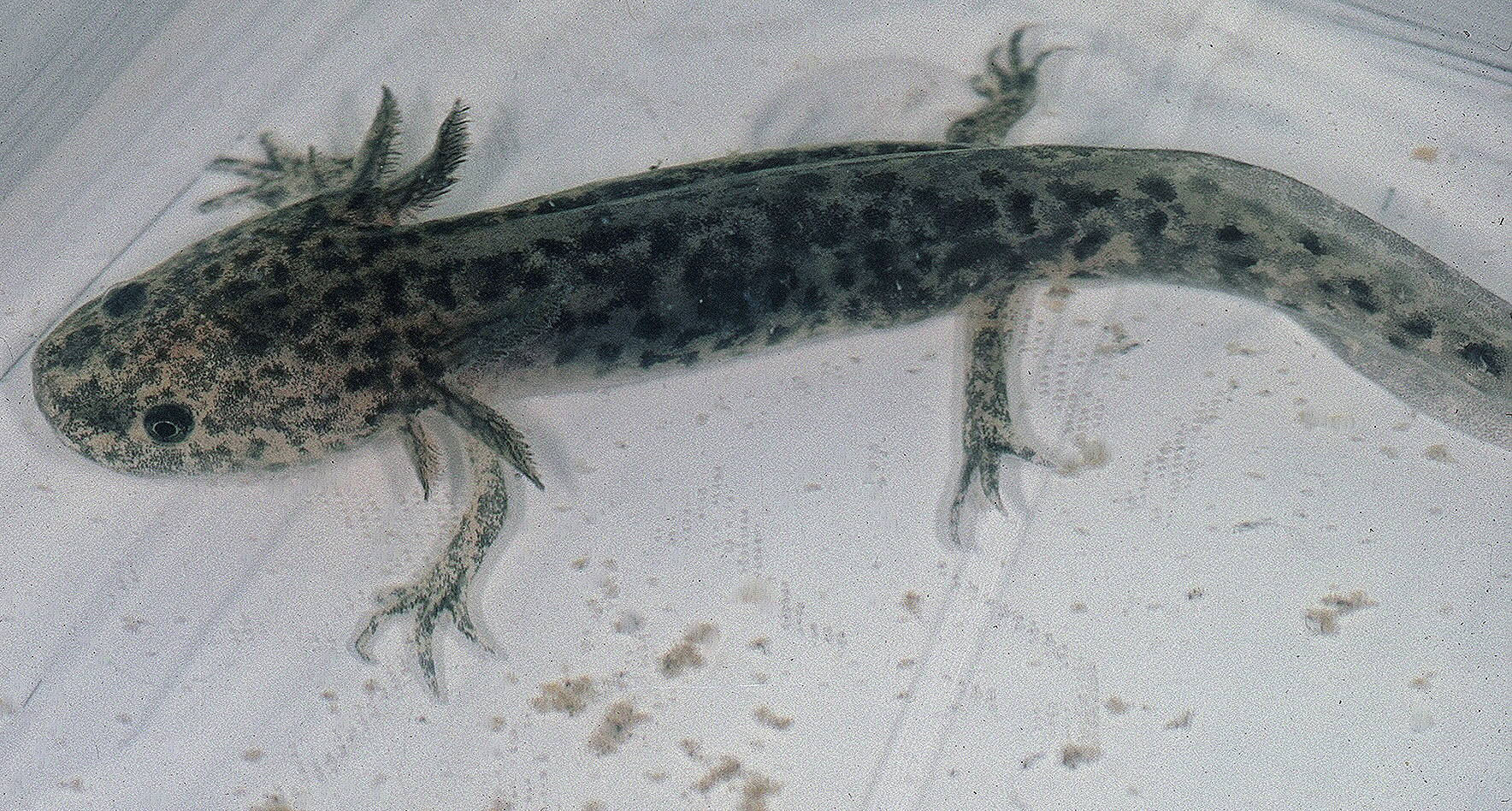
The following article is based on Smith (2023) and Sanchez (2024). Links to the complete articles are in the references section. Xochimilco is a sizable, semirural neighborhood located south of Mexico City. Chinampas, or farmland plots, are surrounded by a massive network of canals. The Xochimilcas, a group of Náhuatl-speaking people who were among the…
-
Prehistoric Amphibian Ancestor Is Named for Kermit the Frog
posted on

The species seemed to have bug eyes and a smile, so a team of researchers named it Kermitops gratus in honor of the banjo-playing Muppet. Michael Levenson, NYT One crawled across the rain-drenched ground of what is now Texas more than 270 million years ago, possibly feasting on fast-moving insects. The other endeared himself to…
-
Amphibians on the Edge: Climate Change and Other Threats to Survival
posted on

In the world of biodiversity, Earth’s amphibians play a crucial role. From the magnificent Wallace’s Flying Frog to the Trinidad’s Bromeliad dwelling tree frog and the huge Chinese Giant Salamander these fascinating animals have captured the imaginations of naturalists for centuries. Unfortunately, the latest research paints a grim picture for amphibians worldwide. A new research…
-
A new species of Hynobius Salamander from China
posted on

There are currently six described species on the Chinese mainland and five on Taiwan island, all of which are terrestrial, partially fossorial, and undergo larval development in water bodies. However, one Hynobius salamander collected in Fujian in 1978 has not been observed since, suggesting possible local extinctions. To investigate the taxonomic status of this salamander,…
-
Salamanders & Road Salt
posted on
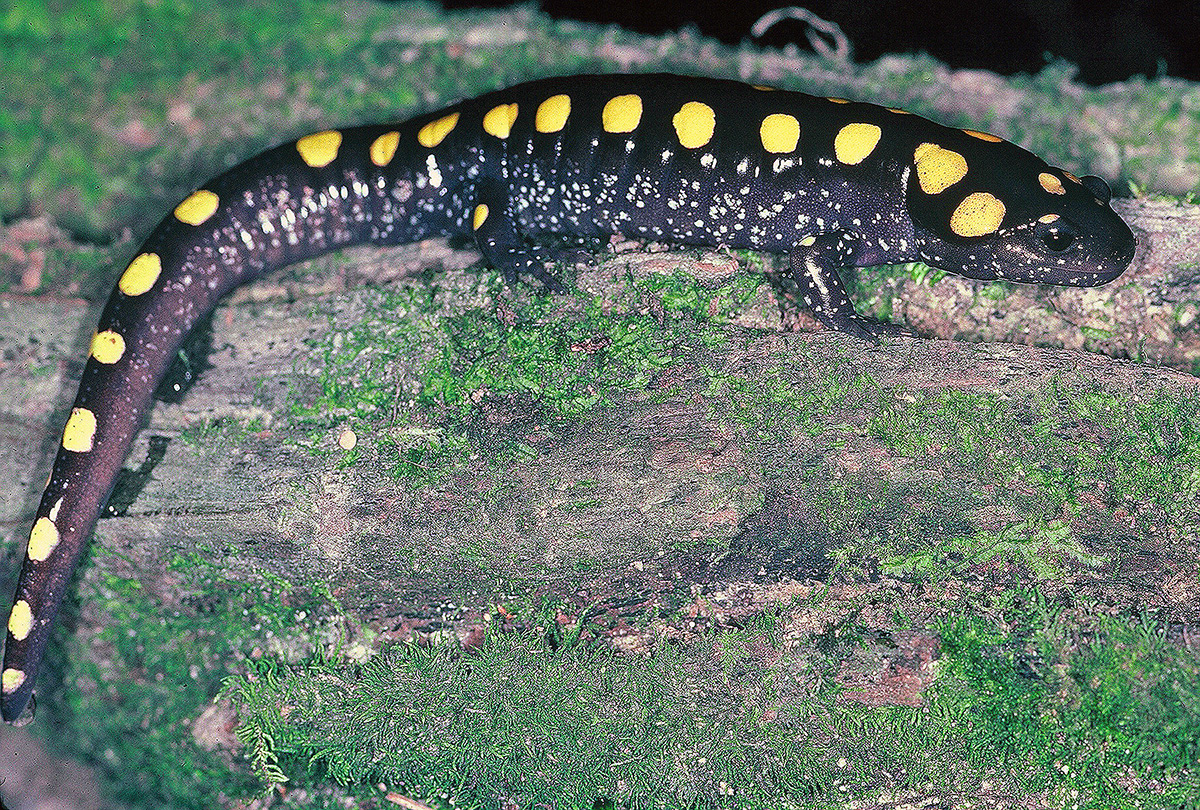
Salamanders breeding in roadside ponds are exposed to various contaminants from road runoff. Chief among these is sodium chloride from road salt, which reaches average concentrations of 70 times higher in roadside ponds compared to woodland ponds located several hundred feet from the road.

SerpentResearch.Com
Amphibians, Reptiles, & Natural History





You must be logged in to post a comment.