-
The Controversy Over a Second Species of Giant Anaconda
posted on

The Green Anaconda, Eunectes murinus, has long been Amazonia’s most iconic animal. It is widely regarded as the largest snake in existence. However, in a groundbreaking development, Rivas et al. published a paper in February 2024, unveiling a second species of giant anaconda, Eunectes akajima. This discovery, while not entirely unexpected due to the cryptic nature…
-
Natural History collections are more important now than they were 10 years ago.
posted on

Our knowledge of the biodiversity of Asia and Australasia continues to expand with more focused studies on the systematics of various groups and their biogeography. Historically, fluctuating sea levels and cyclic connection and separation of now-disjunct landmasses have been invoked to explain the accumulation of biodiversity via species pump mechanisms. However, recent research has shown…
-
Rediscovery of a rare, aquatic Philippine Snake
posted on
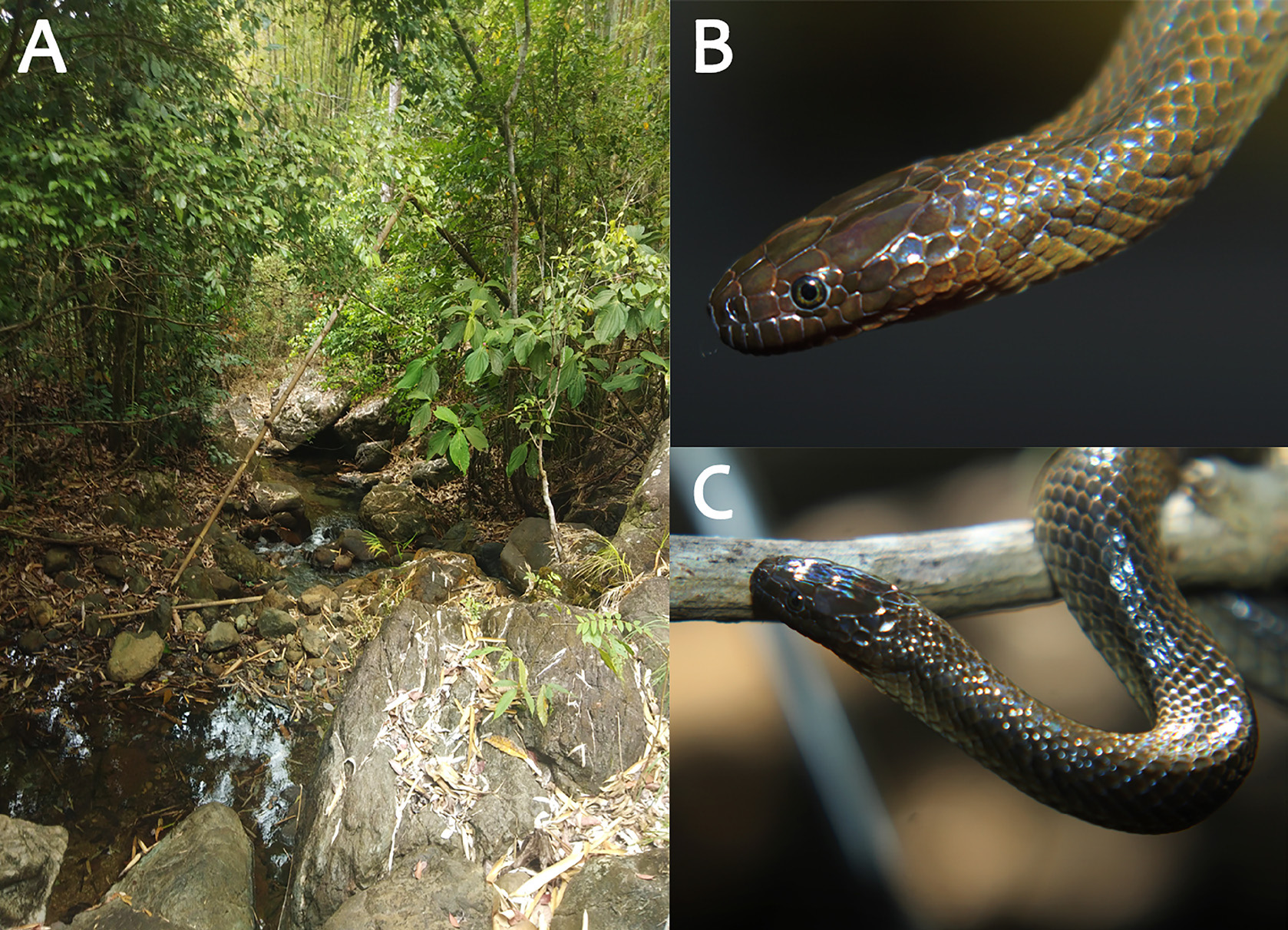
The single-occurrence records of O. alcalai demonstrate the significance of microhabitat-specific refugia for rare, secretive, and enigmatic natricid snakes that often inhabit aquatic and terrestrial environments. Mindanao’s Lowland habitats (< 900 meters elevation) are among the most threatened and degraded habitats due to agricultural and urban sprawl.
-
An endemic, highly aquatic homalopsid snake from Sulawesi
posted on
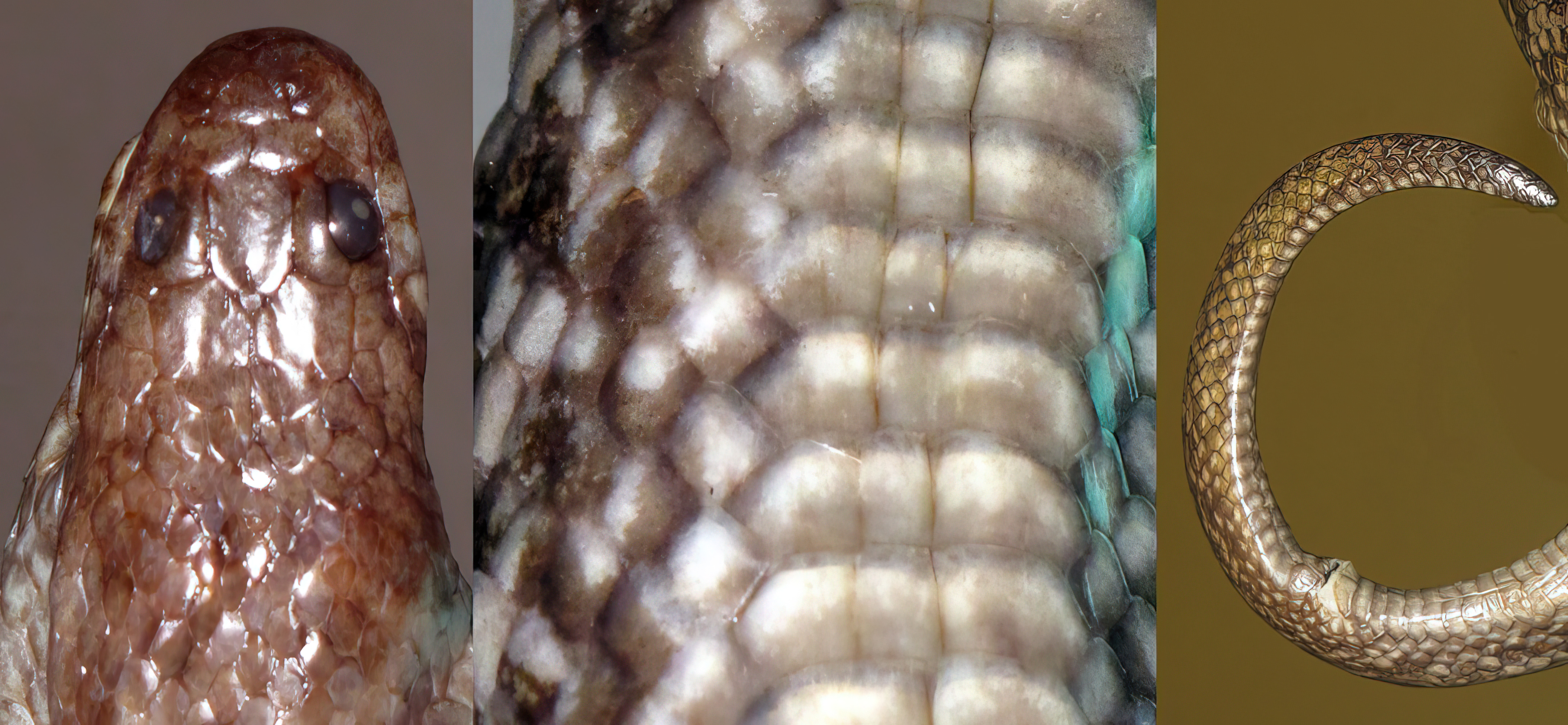
A recent paper (Hamidy et al 2023) describes a new homalopsid snake species, Hypsiscopus indonesiensis. The new snake is restricted to Lake Towuti on the island of Sulawesi. Hypsiscopus indonesiensis were collected from a shady area with a water depth of about 10–15 cm and one m from the land. The new species is assigned…
-
The Little File Snake, Acrochordus granulatus
posted on

The unusual biology of the Little File Snake


SerpentResearch.Com
Amphibians, Reptiles, & Natural History





You must be logged in to post a comment.