-
The Rapid Evolution of Snakes
posted on

About 128 million years ago, a surge of adaptation caused snakes to explode in diversity and evolve up to three times faster than lizards. Since they initially descended from lizards, snakes were minor ecological players that slithered around the periphery of ecosystems dominated by dinosaurs more than 100 million years ago. But now, there are…
-
Advances in Snakebite Treatment
posted on

The following is based on Wilcox C. 2024. Powerful new antivenom raises hopes for a universal solution to lethal snakebites. Science News 21 Feb 2024. A significant step toward developing an antivenom that could be applied to any of the 200 or so dangerous venomous snake species in the world, researchers have found a strong…
-
Recently described snakes and changes in taxonomy – February 2024
posted on
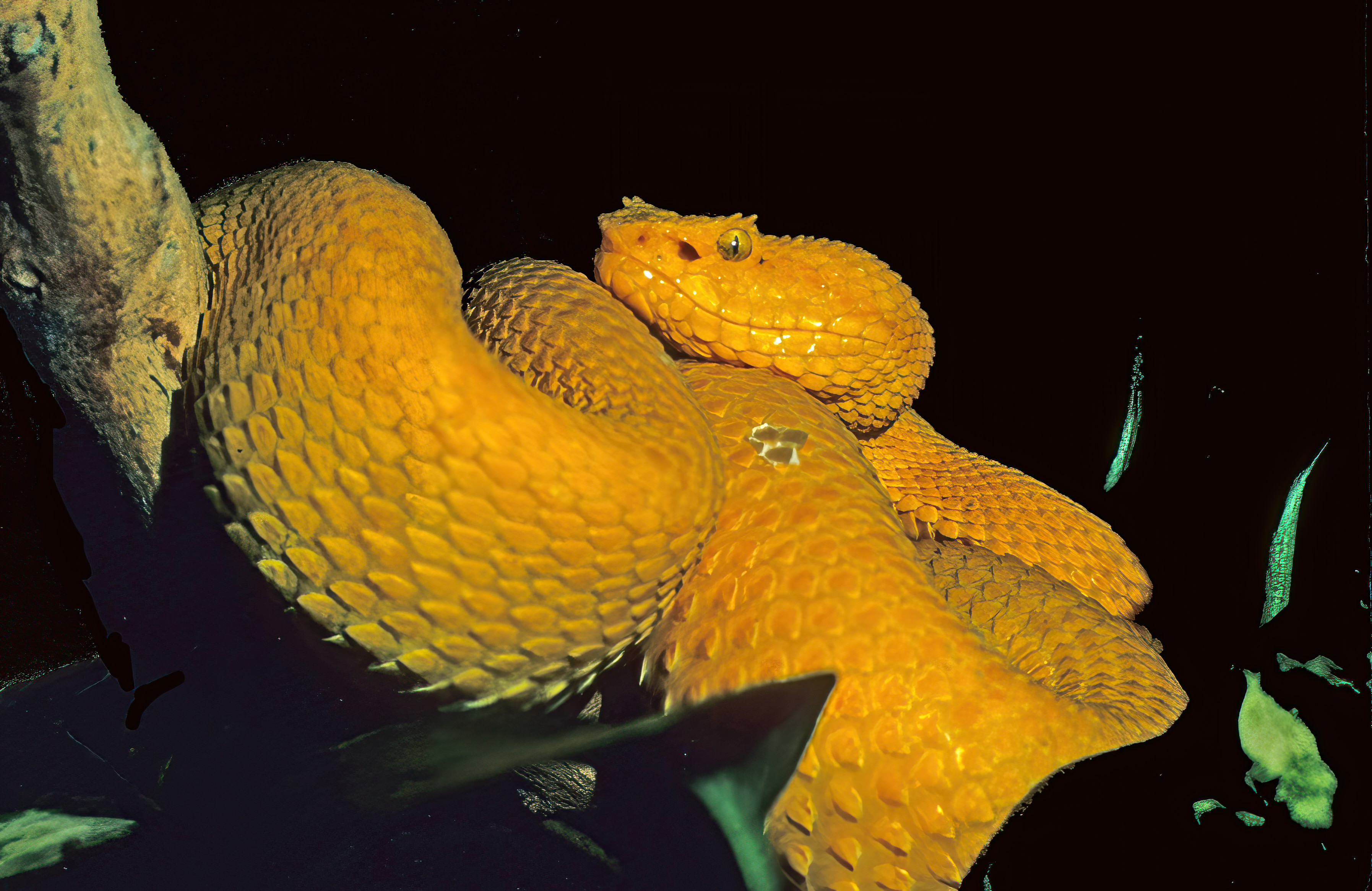
A new species of endemic snake from the Lost World The Pantepui is a remote, biodiverse region of ~400 000 km2 in northern South America it contains at least five endemic reptile genera and several ancient vertebrate lineages. Kok and Means (2024) describe a new endemic snake genus and species, Paikwaophis kruki (Dipsadidae: Xenodontinae), recently collected…
-
A new krait from Thailand
posted on
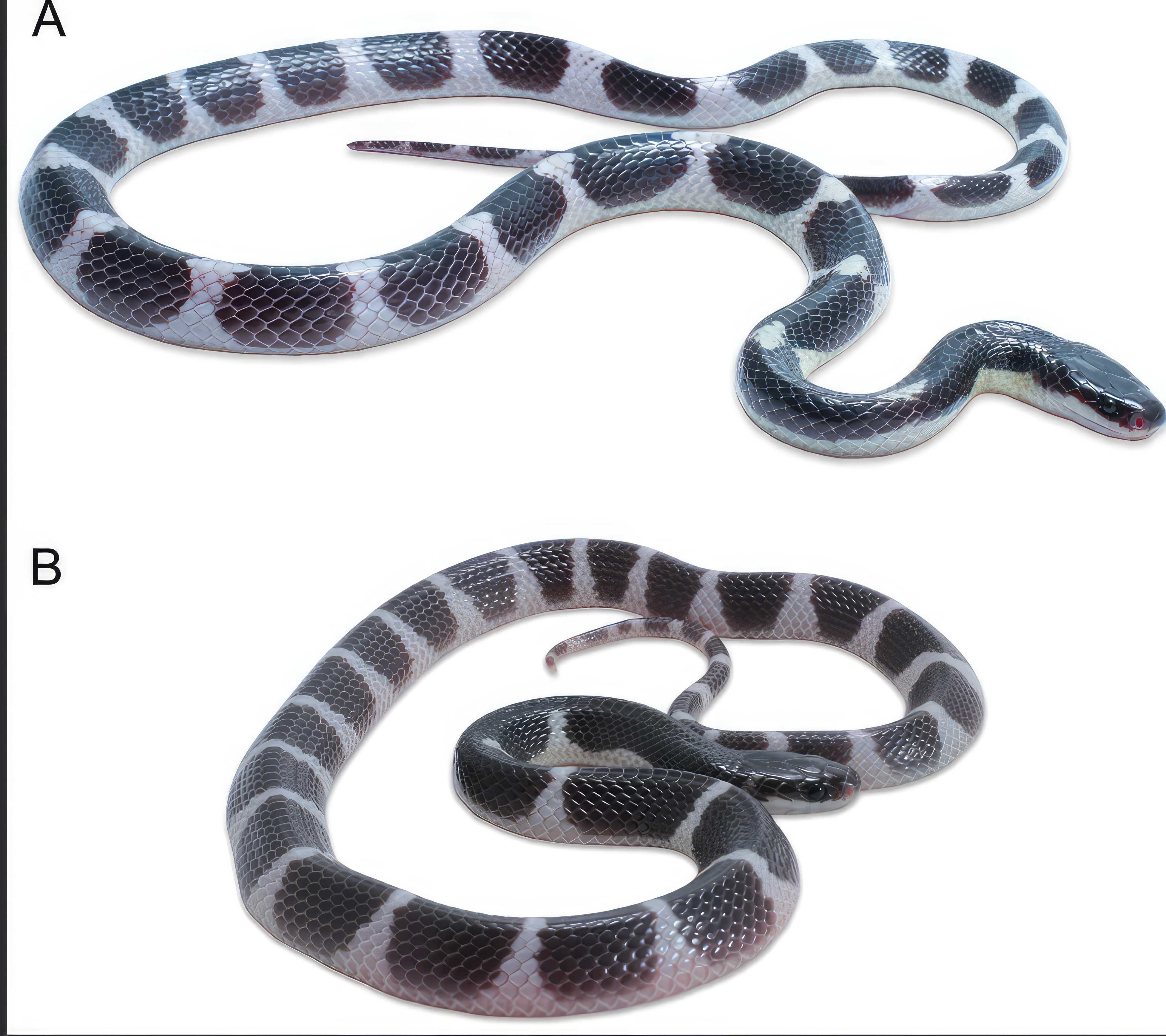
The Asian elapid genus Bungarus are commonly called kraits. They are terrestrial in forests and some agricultural habitats. They feed on other snakes but will take other small vertebrates. Their bodies are dorsolaterally compressed, which makes a cross-section of their body triangular. Their venom is highly neurotoxic, and they are responsible for human bites in…
-
The Reticulated Python, an invasive species in Iraq?
posted on

Al-Sheikhlyet al. (2023) discuss reports of Iraq’s Reticulated Python, Malayopython reticulatus. The following is edited content from the Jordan Journal of Natural History article. Unverified reports of a “giant snake” surfaced in Iraq in the early 1980s. Local people reported a massive snake known as “Afa’ah” that was arboreal in the northern mountains and was…
-
Successful Skinks
posted on

Geckos and skinks are lizard lineages that have been remarkably successful, as measured by the number of species recognized as well as , the size of their geographic range, the variety of habitats, ecological niches, and the diversity of their morphological and life-history features. The range, ecology, morphology, and life history of the varied lineage…
-
The Plateau Spot-tailed Earless Lizard – no longer listed as endangered
posted on
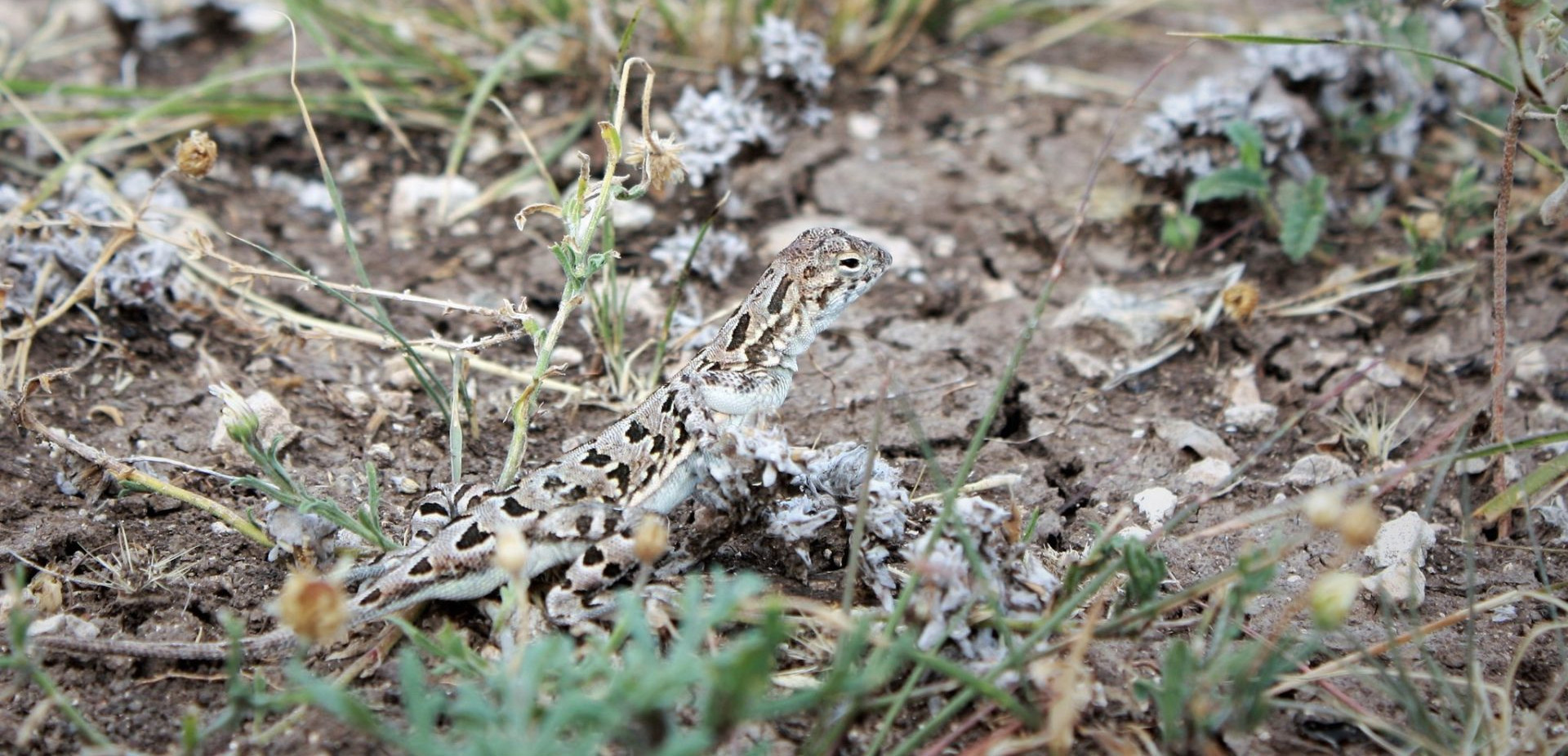
SAN ANGELO, Texas (Concho Valley Homepage) — A lizard species historically known to thrive across the Edwards Plateau in Central and West Texas is no longer listed under the Endangered Species Act since a petition was filed in 2010. According to a press release from the U.S. Fish and Wildlife Service, the Plateau Spot-tailed Earless…


SerpentResearch.Com
Amphibians, Reptiles, & Natural History





You must be logged in to post a comment.