-
Malayopython reticulatus has colonized Puerto Rico
posted on
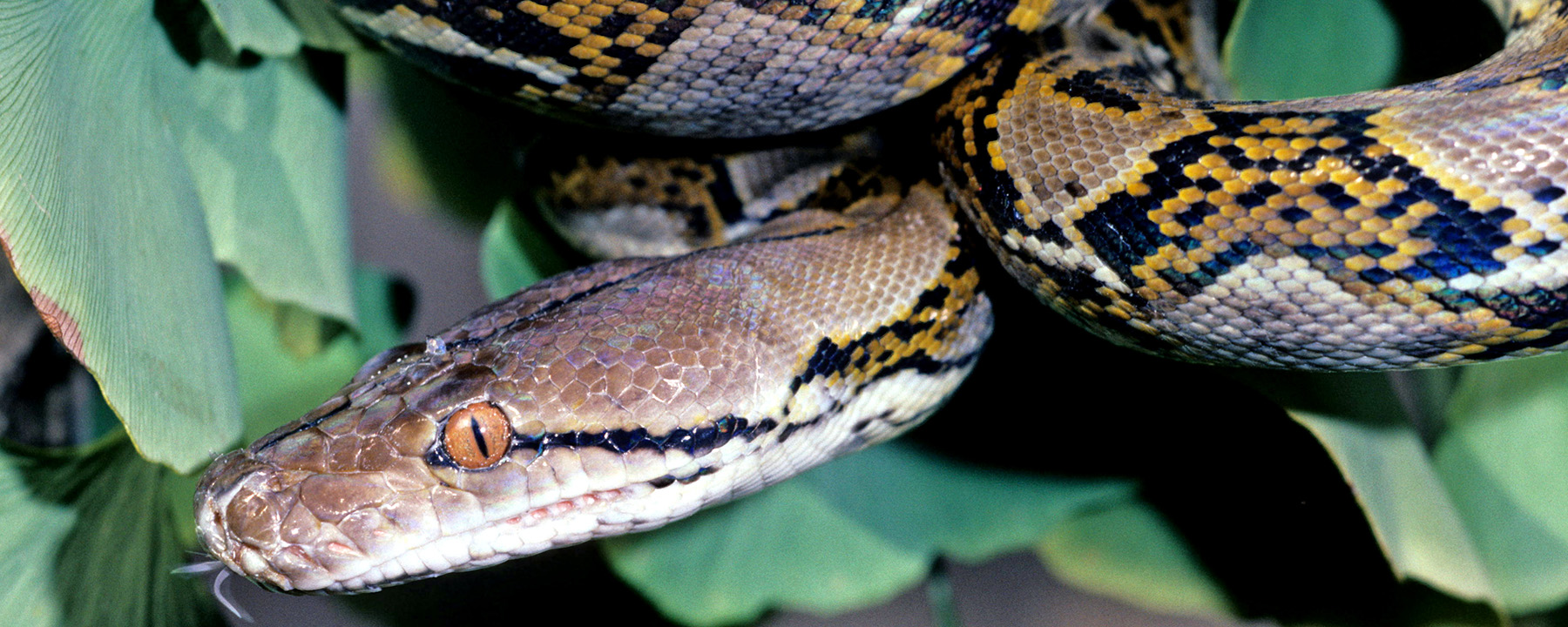
A Fox News story in 2015, stated authorities in Puerto Rico caught a 3.6-meter, 70 pound Burmese Python in a river in the northern coastal town of Manati. Puerto Rico also has an introduced population of Boa constrictors, and it appears that Reticulated Pythons, the longest snake, and one that occasionally preys on humans, is…
-
The 2022 Python Challenge is Underway in Florida
posted on

The Florida Everglades supports a variety of native animals but over the years the pet trade and keepers of exotic animals have introduced a variety of invasive species including birds, mammals, fish and reptiles. The invasive Burmese python does not belong in Everglades ecosystem and pose a threat to native wildlife. The Florida Python Challenge billed as…
-
A micro-endemic gecko threatened by an invasive tree.
posted on
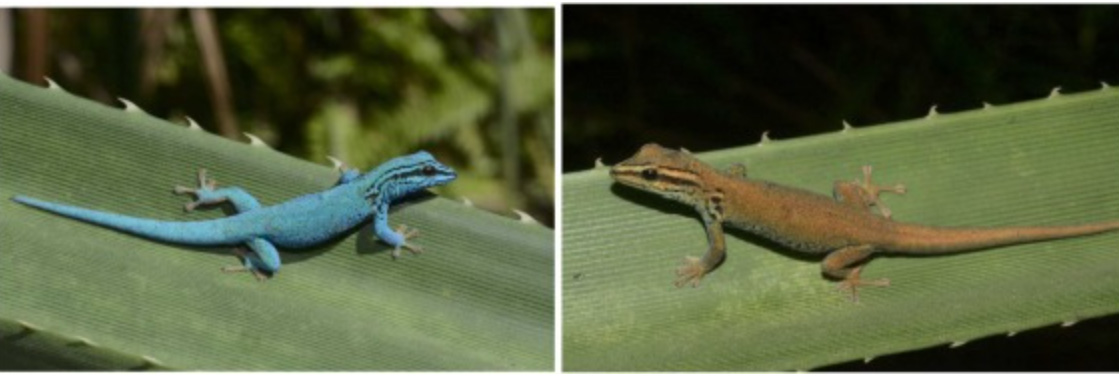
In the photo above…an adult male (left) and female (right) of Lygodactylus williamsi on a leaf of Pandanus rabaiensis in Kimboza Forest Reserve. Photos by John Lyakurwa. The Electric Blue Gecko, Lygodactylus williamsi, is a small, diurnal, gekkonid. Dominant males are a bright and vibrant turquoise-blue body, and retain this color throughout the year, while females are green-bronze.…
-
A New Dwarf Anole from Cuba
posted on
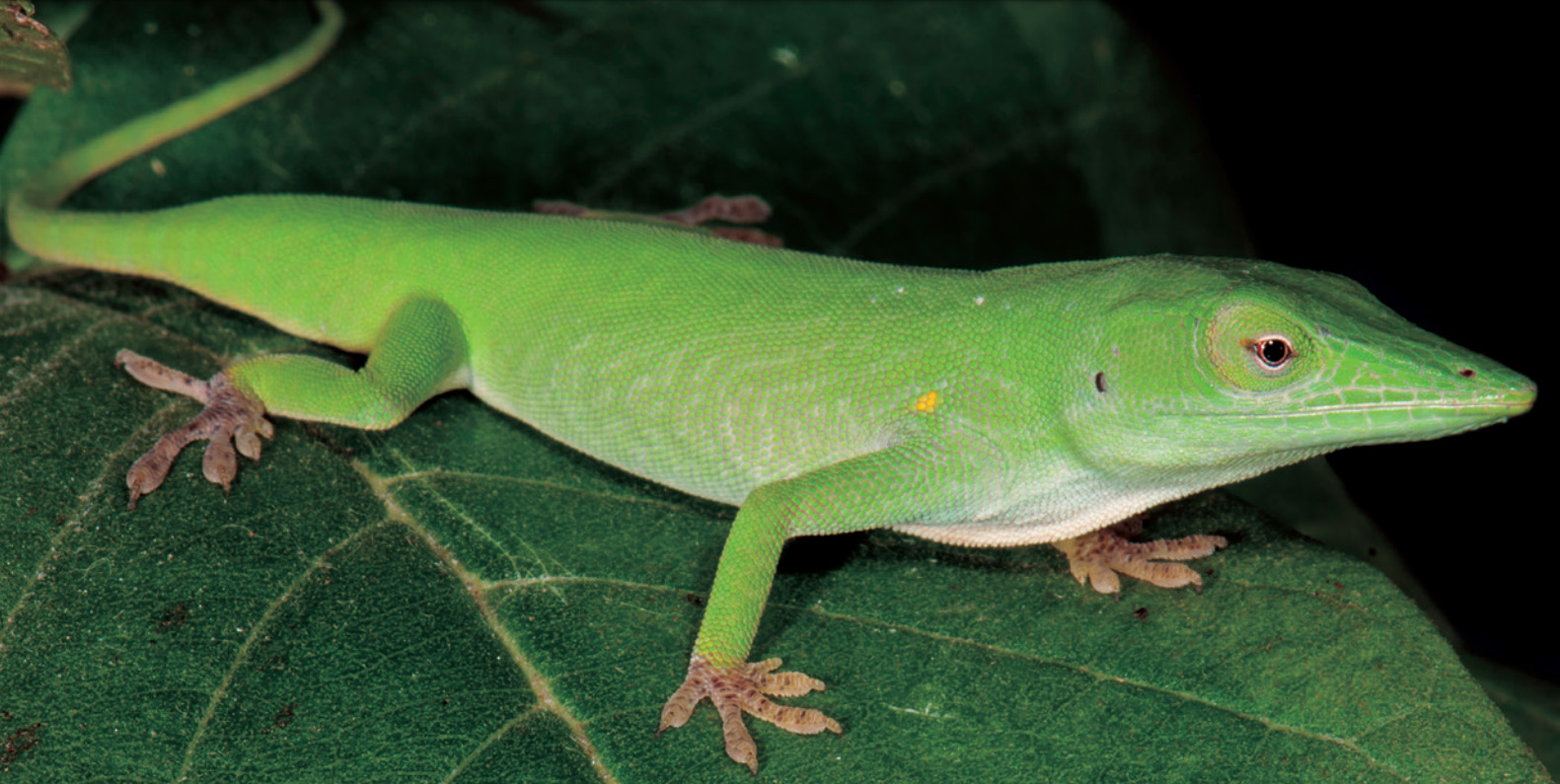
Diaz et al. (2022) describe a new species of this subgroup from western Cuba based on genetic and morphological differences from other species.
-
African Water Snake added to phylogeny
posted on

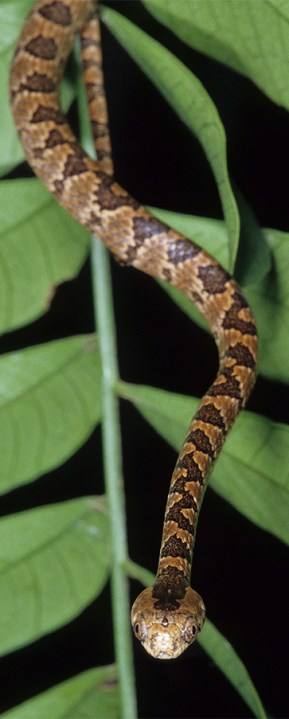
African water snakes of the genus Lycodonomorphus (Family Lamprophiidae) are widespread, abundant and presumably an important component of many aquatic and semiaquatic food webs. These snakes are poorly understood taxonomically, particularly from a phylogenetic perspective. With only four of the nine species currently sequenced, this study attempts to improve our understanding of the evolutionary relationships…


SerpentResearch.Com
Amphibians, Reptiles, & Natural History





You must be logged in to post a comment.