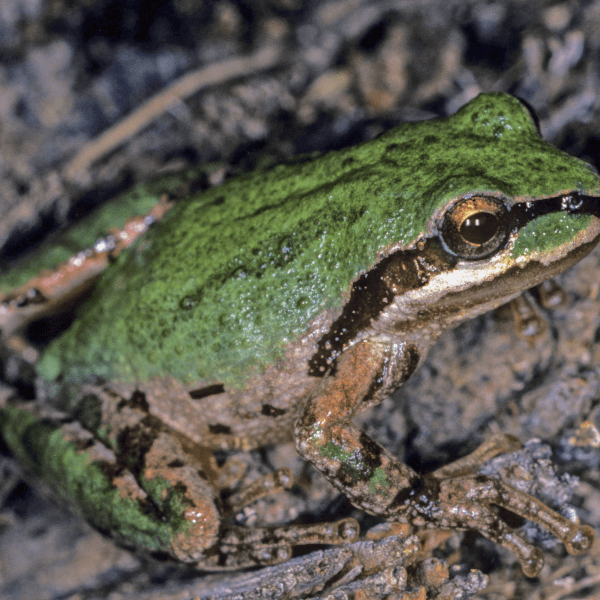
alerts the reader to the nature of the site
SerpentResearch.Com

SerpentResearch.Com

Amphibians, Reptiles, & Natural History

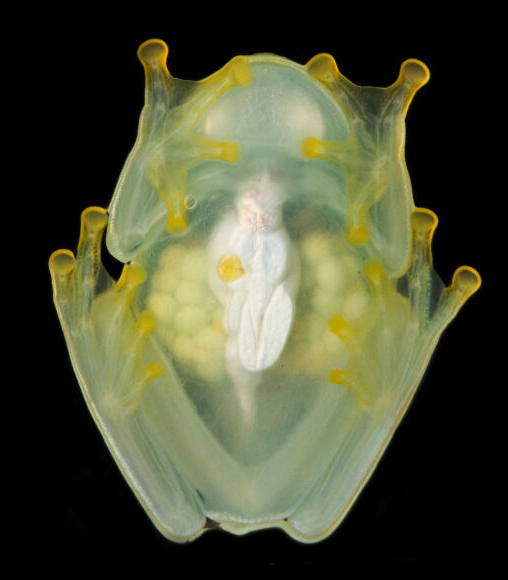
  • Glassfrogs hide their blood cells to become transparent

    JCM

    posted on

    December 25, 2022
    Glassfrogs hide their blood cells to become transparent

    resting glassfrogs increase transparency two- to threefold by removing nearly 90 percent of their red blood cells from circulation
    Continue Reading


Categories
  • 3- fingered toxins
  • amphibians
  • antivenom
  • Anura
  • Apoda
  • aquatic snakes
  • Arizona
  • auditory
  • Australia
  • autohemorrhaging
  • behavior
  • Boidae
  • booids
  • Bothriechis 
  • Brazil
  • Bungarus
  • Burmese Python
  • Cambodia
  • Category
  • Caudata
  • Central America
  • Centrolenidae
  • Chelonia
  • China
  • Climate Change
  • Colubridae
  • conservation
  • Crotalus
  • cryptic diversity
  • Daboia
  • deserts
  • diet
  • Dipsadidae
  • disease control
  • Ecology
  • Elapidae
  • elapoids
  • Emydocephalus
  • environment
  • evolution
  • extinction
  • extinction
  • Florida
  • fossil
  • Fossil species
  • Gekko
  • genome
  • Geographical distribution
  • Gymnophthalmidae
  • harvest
  • Helodermatidae
  • Holbrookia
  • Homalopsidae
  • Hydrophiini
  • Hylidae
  • Invasive Snakes
  • invasive species
  • Islands
  • Jurassic
  • Lampropeltis
  • Lampropeltis californae
  • Leaf Chameleons
  • Lesser Antilles
  • LIfe History
  • Lizards
  • Madagascar
  • Malayopython
  • Micrelapidae
  • Micrelaps
  • mimicry
  • Museums
  • Natricidae
  • Neotropical
  • new species
  • niche
  • northeast India
  • parental care
  • Pelodryadinae
  • Phrynosomatidae
  • phylogeny
  • politics
  • pollination
  • predation
  • psammophilous
  • Ptychozoon
  • Python
  • Rain Frogs
  • refugia
  • Reptiles
  • Rhynchocephala
  • road mortality
  • Sauria
  • Scincidae
  • seed dispersal
  • Serpentes
  • shared traits
  • Singapore
  • Slider
  • social behavior
  • Sphaerodactylidae.
  • squamata
  • systematics
  • Taxonomic revision
  • Teiidae
  • Terrapene
  • Thailand
  • Themophis
  • Trachyboa
  • transparency
  • Treefrogs
  • Uncategorized
  • Urban lizards
  • urban snakes
  • Varanus
  • Venom
  • Viperidae
  • vocalization
  • Warfare
Recent Comments
  1. Linda on Lost parakeet delivered back home thanks to postman and the RSPCAJuly 28, 2017

    Et harum quidem rerum facilis est et expedita distinctio. Nam libero tempore, cum soluta nobis est eligendi optio cumque nihil…

  2. Linda on Haven’t you heard? Lunchtime is a bear necessity!July 28, 2017

    Et harum quidem rerum facilis est et expedita distinctio. Nam libero tempore, cum soluta nobis est eligendi optio cumque nihil…

  3. Linda on Puppy trains to be Ski Patrol rescue dog in HighlandsJuly 28, 2017

    Et harum quidem rerum facilis est et expedita distinctio. Nam libero tempore, cum soluta nobis est eligendi optio cumque nihil…

Privacy Policy
Recent News
  • Microhabitat use by the California Kingsnake in the Canary Islands
  • Pacific Treefrogs, one, two, or three species?
  • Burmese Python Nest in Great Cypress Swamp
  • Jurassic reptile fossil discovery blurs the line between snake and lizard
  • Discovering the lightbulb lizards of Ecuador
Arizona.
Search Our Site

Can’t find what you’re looking for? Search our site to find more content.

Copyright © 2020 · All Rights Reserved

World Snake Day is July 16. The day is important to the conservation of snakes. Snakes live on every continent except Antarctica and can vary from the longest species, the reticulated python, to the smallest Barbados Threadsnake. Snakes try to avoid human contact. They consider humans predators. Venomous snakes (and many) use their venom to obtain food and only use it for defense when forced to. World Snake Day can help remove people's fears and illusions about snakes, and help them gain recognition as a marvelous adaptable apex species. World Snake Day can be used to educate and inform people about how to deal with snakes. Let's not mis this opportunity.

August 14th is World Lizard Day. It's the perfect time to show some love for these remarkable creatures that have been sharing our planet since the time of the dinosaurs. With over 6,000 known species, lizards come in all sorts of shapes, sizes, colors, and patterns, and you can find them on every continent except Antarctica. But why should we celebrate lizards, you ask? Well, they're not just cool to observe in their natural habitats but also essential players in many ecosystems. Lizards help keep insect populations in check, which is vital to our ecosystems. So, let's give these amazing creatures the recognition they deserve on this special day! tems worldwide.

These extraordinary beings don’t merely excavate burrows that become abodes for various other species; they also provide a valuable service by assisting in maintaining the cleanliness of our beaches. Their diet includes the remains of deceased fish that wash ashore, making a substantial contribution to ecological equilibrium. This underscores the profound significance of safeguarding these gentle creatures.

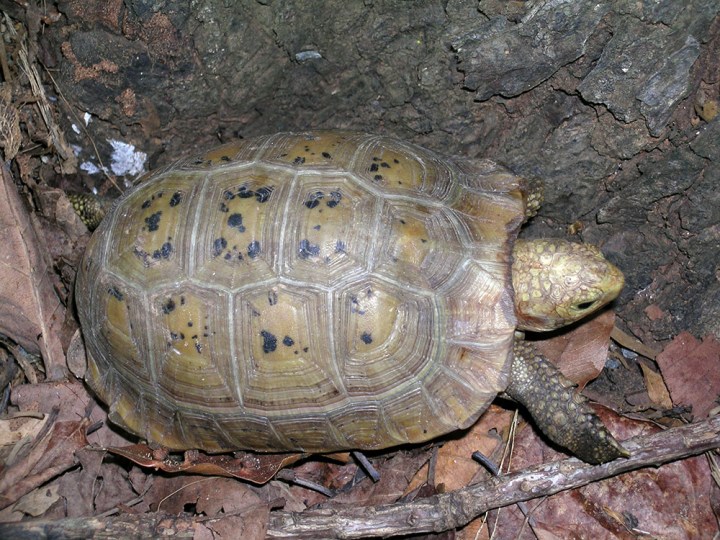
World Turtle Day stands as an occasion specially designated to celebrate and protect both of these remarkable creatures. Its origins can be traced back to 2002 when American Tortoise Rescue introduced this meaningful event. It casts a spotlight on the myriad challenges that turtles and tortoises confront due to human intervention and environmental hazards. On this special day, educational institutions, rescue centers, and nature enthusiasts unite to deepen their understanding of these creatures and pledge unwavering commitments to their preservation.

Here are some impactful ways in which you can actively participate in the endeavor to safeguard these exceptional animals: Adopt a Turtle or Tortoise: Contemplate adopting a turtle or tortoise from a rescue shelter. These low-maintenance creatures make ideal companions, especially for families with young children.

Post List #4

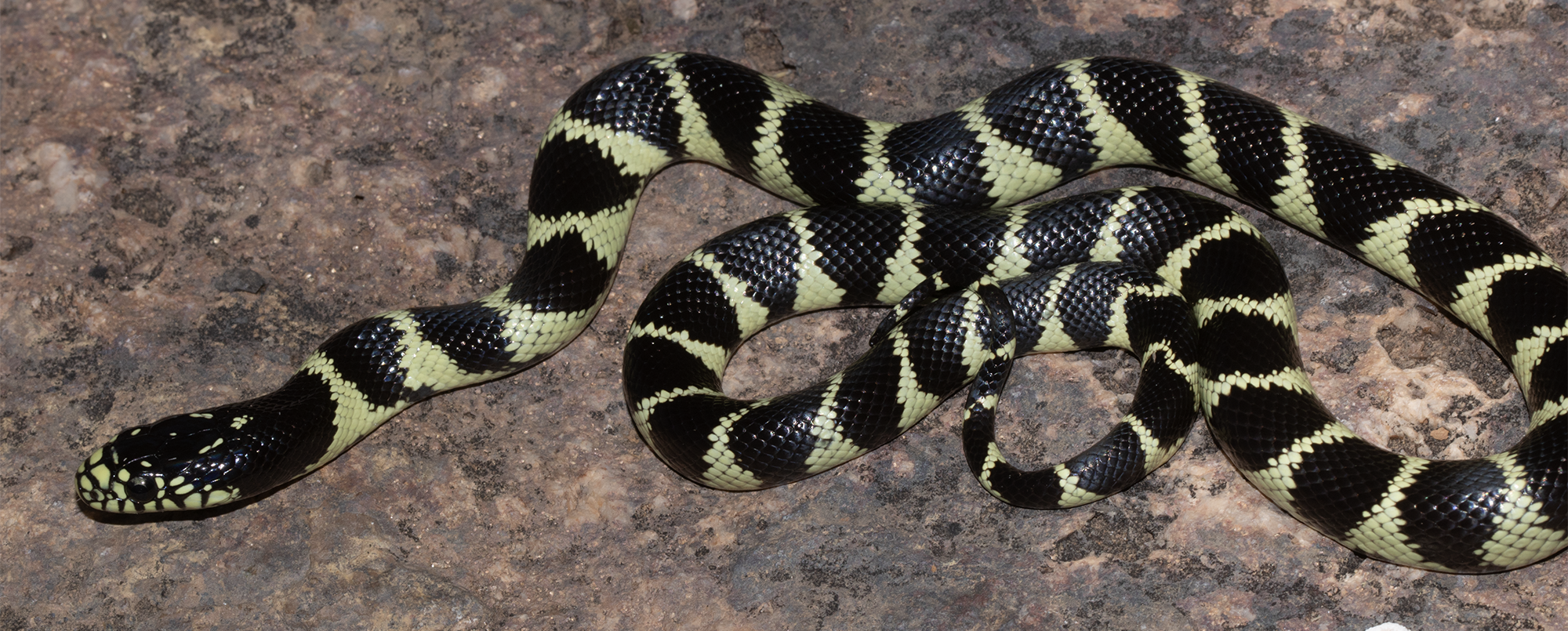
California Kingsnake from se Arizona
Invasive Snakesrefugia

Microhabitat use by the California Kingsnake in the Canary Islands

JCM Jan 14, 2026 3 min read

In this study, Maestresalas et al. (2026) characterize the shelter-use regime and the biotic and abiotic factors driving microhabitat selection by California kingsnake shelters on Gran Canaria, in the Canary Islands. The intent is to help inform management. They expected that…

Read More
The Pacific tree frog (Pseudacris regilla), also known as the Pacific chorus frog, has a range spanning the Pacific Northwest, from Northern California, Oregon, and Washington to British Columbia in Canada and extreme southern Alaska. They live from sea level to more than 10,000 feet in many types of habitats, reproducing in aquatic settings. They occur in shades of greens or browns and can change colors over periods of hours and weeks.

Pacific Treefrogs, one, two, or three species?

JCM Oct 16, 2025 2 min read

Evolutionary divergence in sexual signals may lead to and maintain reproductive isolation between populations. Both selective forces—such as ecological and sexual selection—and random processes like genetic drift may influence the…

A female Burmese python with eggs.

Burmese Python Nest in Great Cypress Swamp

JCM Oct 16, 2025 3 min read

Lisa McBride, a U.S. Geological Survey (USGS) biologist, led a study to document a record-setting Burmese python nest found in Big Cypress National Preserve in 2022. McBride’s work details the…

Jurassic reptile fossil discovery blurs the line between snake and lizard

Jurassic reptile fossil discovery blurs the line between snake and lizard

JCM Oct 7, 2025 3 min read

by American Museum of Natural History edited by Sadie Harley, reviewed by Robert Egan New research has uncovered a species of hook-toothed lizard that lived about 167 million years ago and has a…

Riama, a light bulb lizard from Ecuador

Discovering the lightbulb lizards of Ecuador

JCM Oct 7, 2025 2 min read

Alejandro Arteaga, a herpetologist in Ecuador sent out out the following email. If you have the resources for helping Alejandro I encourage you to do so. Today, I want to…

  • Previous
  • 1
  • ...
  • 1
  • 2
  • 3
  • ...
  • 181
  • Next
Glassfrogs become transparent by hiding their blood


Caiman crocodilius


Loading Comments...
 

You must be logged in to post a comment.