-
Natural History collections are more important now than they were 10 years ago.
posted on

Our knowledge of the biodiversity of Asia and Australasia continues to expand with more focused studies on the systematics of various groups and their biogeography. Historically, fluctuating sea levels and cyclic connection and separation of now-disjunct landmasses have been invoked to explain the accumulation of biodiversity via species pump mechanisms. However, recent research has shown…
-
An endemic, highly aquatic homalopsid snake from Sulawesi
posted on
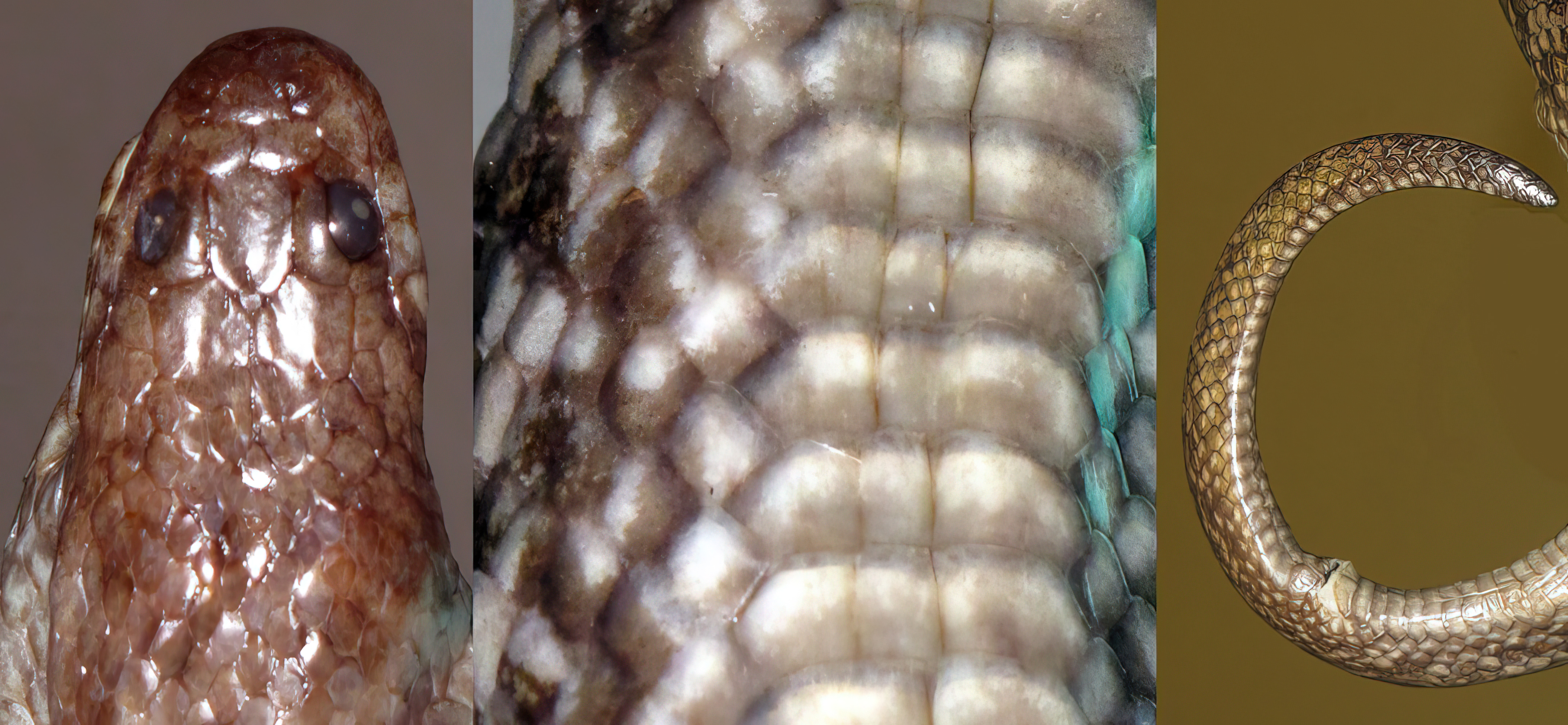
A recent paper (Hamidy et al 2023) describes a new homalopsid snake species, Hypsiscopus indonesiensis. The new snake is restricted to Lake Towuti on the island of Sulawesi. Hypsiscopus indonesiensis were collected from a shady area with a water depth of about 10–15 cm and one m from the land. The new species is assigned…
-
Dry season snake harvest at Tonle Sap
posted on
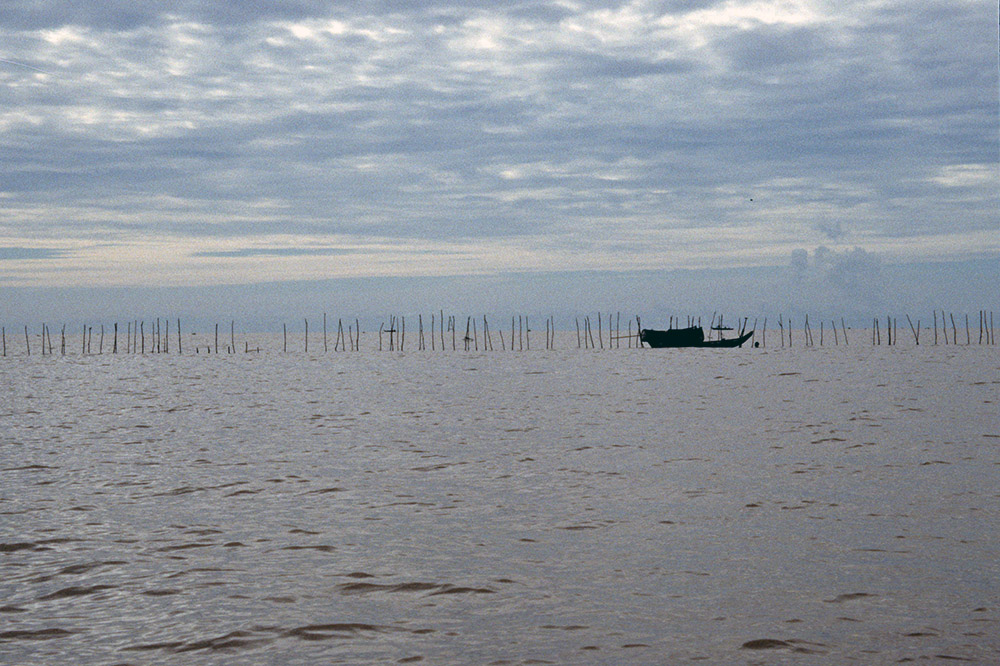
The following is an abstract and some lightly edited text from English et al. (2023) on the Tonle Sap aquatic snake harvest. The paper can be found by clicking here. The Tonlé Sap Lake is a rich ecosystem, although many of its aquatic species have been depleted by overharvesting. We assessed the quantity and composition…
-
What is the world’s smallest advanced snake?
posted on
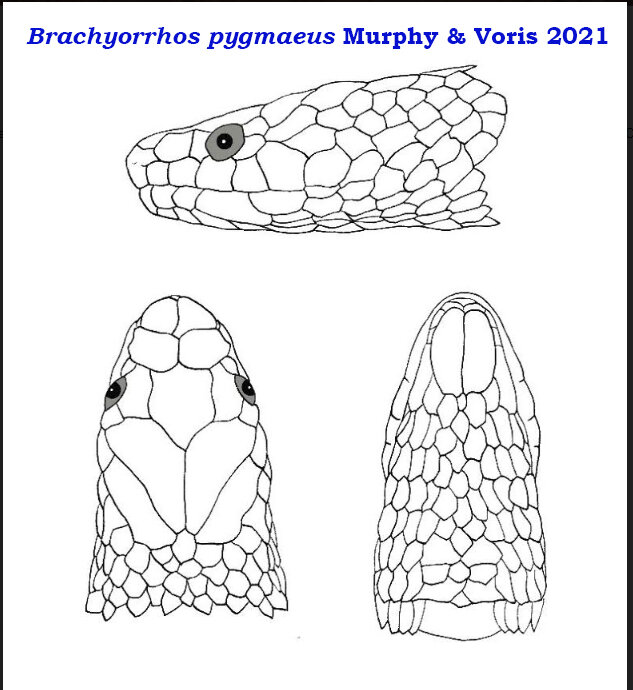
The Barbados Threadsnake, (Tetracheilostoma carlae), is considered the world’s smallest snake. It is tiny – reaching a maximum adult length of only 104 mm (4.1 inches) and an average weight of 0.6 g (0.02 ounce). Described by Hedges (2008), it is a member of the ancient clade Leptotyphlopidae commonly referred to as threadsnakes. Threadsnakes, Blindsnakes…

SerpentResearch.Com
Amphibians, Reptiles, & Natural History





You must be logged in to post a comment.