-
Chytrid fungus detected in Madagascar frog species
posted on
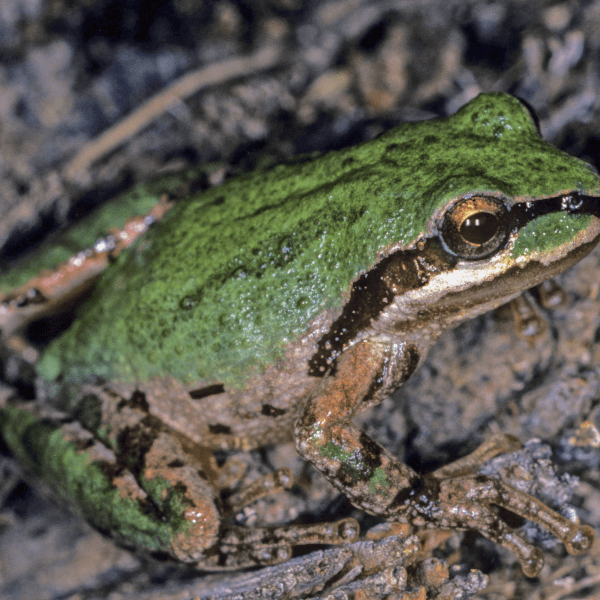
Chytrid fungus was proved present on Platypelis pollicaris from Ranomafana. Photo Credit: Miguel Vences / TU Braunschweig The chytrid fungus, which is fatal to amphibians, has been detected in Madagascar for the first time. This means that the chytridiomycosis pandemic, which has been largely responsible for the decimation of the salamander, frog and toad populations in…
-
A Miocene radiation of crocs in the Pebas Wetland
posted on
The massive wetlands once covered the Amazon River basin about 13 million years ago during the late middle Miocene. Three newly discovered species of crocodylians, including Kuttanacaiman iquitosensis (left), Caiman wannlangstoni (right) and Gnatusuchus pebasensis (bottom), look for clams, which they could likely scoop up with their mouths and crunch with their peglike teeth. Artist…
-
New drug potential from Heloderma
posted on
Heloderma suspectum Lizards and other reptiles are not normally considered venomous, but a number of lizard species actually do produce and use venom. The most classic venomous lizard is no doubt the gila monster — a heavy-bodied lizard. As the first in the world, a group of researchers has made a comprehensive description of the…
-
The Spider-tailed Viper in action
posted on
The following video was sent to me by Patrick Prévost (Amneville Zoo, France). Video of captives moving their tail on a sand substrate have been available on You-Tube. This video shows a snake catching a bird. Sorry about the ad!
-
A second chance for two Australian sea snakes (Aipysurus) presumed extinct
posted on
Photographs A,C: A. apraefrontalis (SAMA R68142) from Ashmore Reef; and B, D:Aipysurus foliosquama (WAM R150365) from Barrow Island. One in five reptile species are estimated to be at risk of extinction and many are thought to have become extinct within the last 50 years. Threats to reptiles include habitat loss and degradation, climate warming, and overharvest for…
-
Body size and extinction
posted on
A new University of Toronto study may force scientists to rethink what is behind the mass extinction of amphibians occurring worldwide in the face of climate change, disease and habitat loss. The old cliché “size matters” is in fact the gist of the findings by graduate student Stephen De Lisle and Professor Locke Rowe…
-
Coral snake venom targets GABA(A) receptors
posted on
The rare coral snake Micrurus mipartitus (type locality, Caracas, Venezuela). Credit: Alejandro Solórzano For more than a decade, a vial of rare snake venom refused to give up its secret formula for lethality; its toxins had no effect on the proteins that most venoms target. Finally, an international team of researchers figured out its recipe: a toxin…

SerpentResearch.Com
Amphibians, Reptiles, & Natural History





You must be logged in to post a comment.