-
Human modified California kingsnakes now invasive species in the Canary Islands
posted on
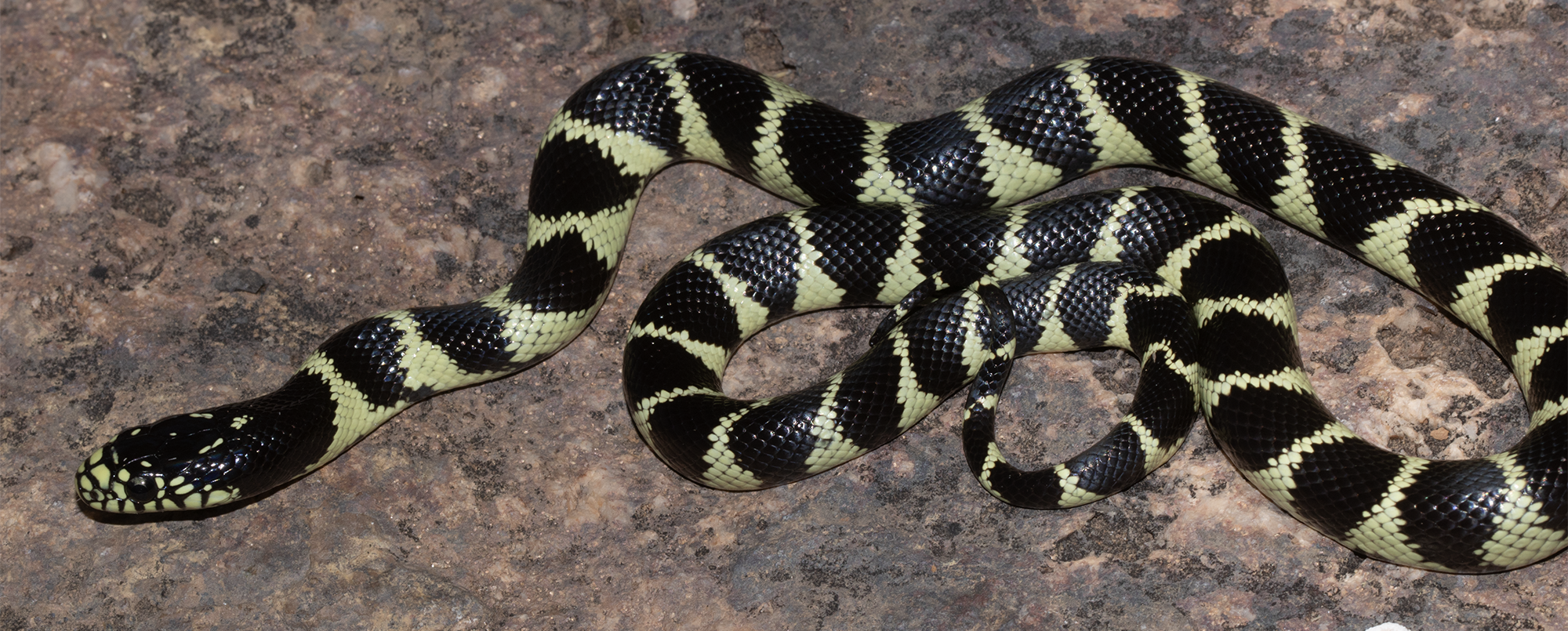
The LA Times is carrying the following story. By Louis SahagunApril 27, 2014, 5:05 p.m. An albino variety of California kingsnake popular in the pet trade has infested the Canary Islands, decimating native bird, mammal and lizard species that have had no time to evolve evasive patterns in what was once a stable ecology northwest…
-
Butler’s garter snake postpones building a firehouse
posted on
Thamnophis butleri,(Ontario Ministry of Natural Resources) The following story is being carried by the CBC News A tender to build a new Windsor (Ontario, Canada) fire station has been cancelled. A species at risk will delay the construction of the new Fire Station No. 5, proposed on the northeast corner of Daytona Avenue and Northwood…
-
Suizo Report — CM16, Magellan
posted on
Howdy Herpers, 04/24/14 On the evening of 4 September, 2013, Typing Boy here was being led around the plot by Dr. Wolfgang Wuster’s students, who were visiting us from the UK. In what was one of many unwise decisions on my part, I handed the receiver off to them without full…
-
The black horned leaf frog is composed of multiple cryptic species
posted on
There are 31 horned leaf frogs in genus Proceratophrys which is distributed in Brazil, northeastern Argentina, and Paraguay. The Black Horned Frog, Proceratophrys melanopogon was described based on one adult female from Alto da Serra, Municipality of Paranapiacaba, São Paulo, Brazil in 1926. The species was not accepted as valid by some, but the species…
-
Declining Central American Green Turtles
posted on
A 20-year assessment of Nicaragua’s legal, artisanal green sea turtle fishery has uncovered a stark reality: greatly reduced overall catch rates of turtles in what may have become an unsustainable take, according to conservation scientists from the Wildlife Conservation Society and University of Florida. During the research period, conservation scientists estimated that more than 170,000…
-
On the importance of natural history
posted on
Support in developed countries for natural history — the study of the fundamental nature of organisms and how and where they live and interact with their environment — appears to be in steep decline. Yet natural history provides essential knowledge for fields as varied as human health, food security, conservation, land management, and recreation. In…
-
Suizo Report — Plot Biscuits
posted on
Howdy Herpers, 04/14/14 We trust that your inbox has been devoid of Suizo Reports lately? The president of the THS can’t imagine what he has been doing with all of his free time………..We should take a moment to explain the numbers that appear in parenthesis after the snake numbers for any of the people on…
-
Saint-Girons’ Sea Krait uses nurseries
posted on
Sea kraits (Laticauda) are amphibious snakes widely distributed in the coral reefs of the East Indian and West Pacific Ocean. They forage in the ocean but return to land, usually coralline islets, for resting, shedding skin, an d digesting prey. Their dependence on coastal terrestrial habitats puts them at risk because of increasing human populations…
-
Climate change impacts reptiles and birds in the southwest
posted on
Arizona Black Rattlesnake, Crotalus cerberus Awareness and acceptance of climate change is slowly spreading in American society. In a report released by the USGS’ Department of the Interior reports the results of modeling current and future breeding ranges of seven bird and five reptile species in the Southwestern United States with sets of landscape, biotic…
-
The monotypic Alligator Snapping Turtle is now three species
posted on
The Alligator Snapping Turtle, Macrochelys temminckii, has gone from being a monotypic species of southeastern North American rivers and the main ingredient in turtle soup to an endangered species that is now three distinct species. This transformation took less than 50 years. Thomas et al. (2014) note previous molecular analyses using mitochondrial and nuclear DNA…
-
The Indigo Snake and the Mine
posted on
The Eastern Indigo Snake. Photo credit: US Fish & Wildlife Service By David Fleshler, Sun SentinelApril 6, 2014 The expansion of a rock mine in southwestern Palm Beach County could kill up to a dozen federally protected eastern indigo snakes, the longest native snake in North America, according to a wildlife agency report. The Star…
-
Boa & Python Specialist Group report on captive breeding
posted on
31 March 2014 | International news release Indonesia, Malaysia and Viet Nam are the main source of python skins, with China, Thailand and Viet Nam all producing python skins through farming. Photo credit: Daniel Natusch / IUCN The first report under the ‘Python Conservation Partnership’, a collaboration between Kering, the International Trade Centre (ITC) and the Boa and Python…

SerpentResearch.Com
Amphibians, Reptiles, & Natural History





You must be logged in to post a comment.