
SerpentResearch.Com
Amphibians, Reptiles, & Natural History
Amphibians, Reptiles, & Natural History

Naturalist, Photographer , Zoologist
After retiring from a career teaching biology and anatomy & physiology and science administration, I study reptiles and amphibians (but focus mostly on squamates). My current interest are in snake phylogeny and diversity, highly aquatic snakes (that are non-sea snakes), the herpetofauna of Trinidad and Tobago, and giant snakes. I have been on the Board of Directors of the Chicago Herpetological Society, the Board of Directors of the Tucson Herpetological Society; a research associate at the Field Museum in Chicago. I have been a member of the International Union for the Conservation of Nature’s (IUCN) Snake Specialists Group International Society for the History and Bibliography of Herpetology (ISHBH); and on the board of directors of Friends of Madera Canyon.
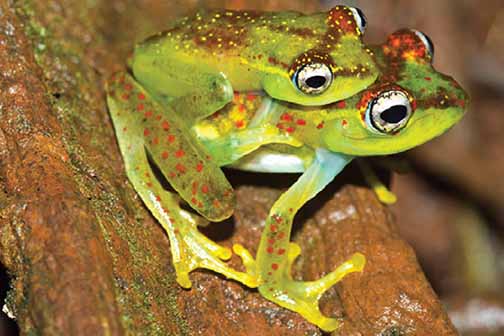
Madagascar’s unique biota is heavily affected by human activity and is under intense threat.

The origins of mammals and birds are relatively well understood, while the roots of squamates have been obscure. In a new paper (Whiteside et al. 2022) report a modern-type lizard from the Late Triassic…

the temnospondyls used in this study, had heads that were more croc-like
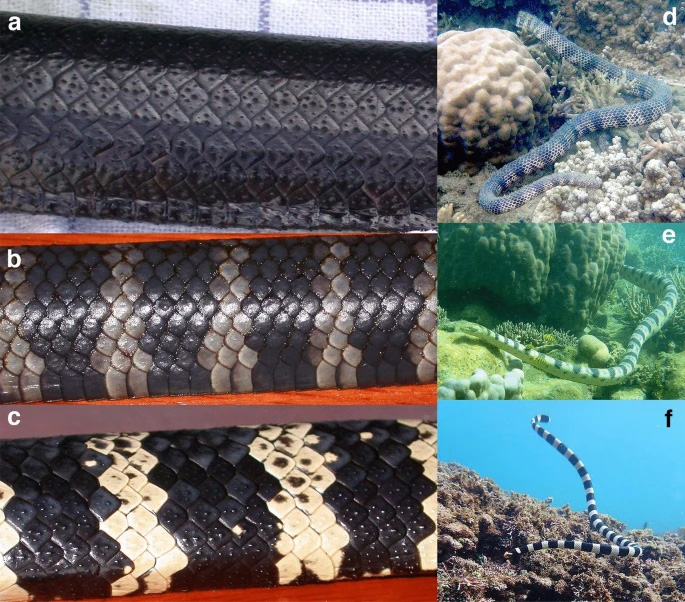
The authors recorded morph frequencies during 18 consecutive years of surveys, and found that the numbers of recruits (neonates plus immigrants) belonging to each morph increased in years when that morph was unusually rare…
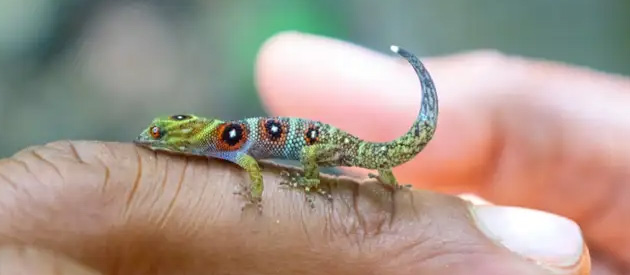
The population of Union Island geckos plummeted due to the illegal international pet trade, but conservationists working with local people in Saint Vincent and the Grenadines have helped increase the population.
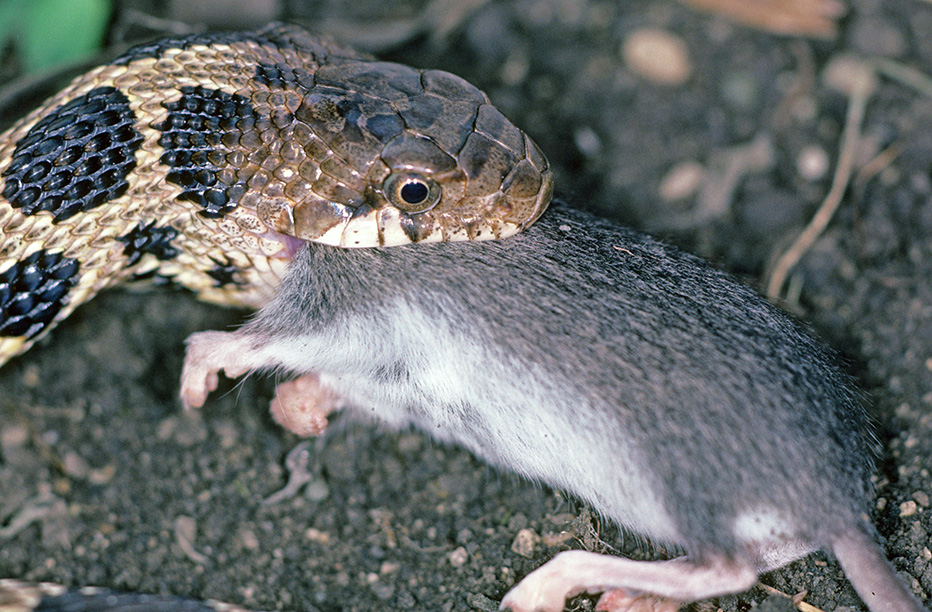
"Animals are our greatest allies in reforestation...
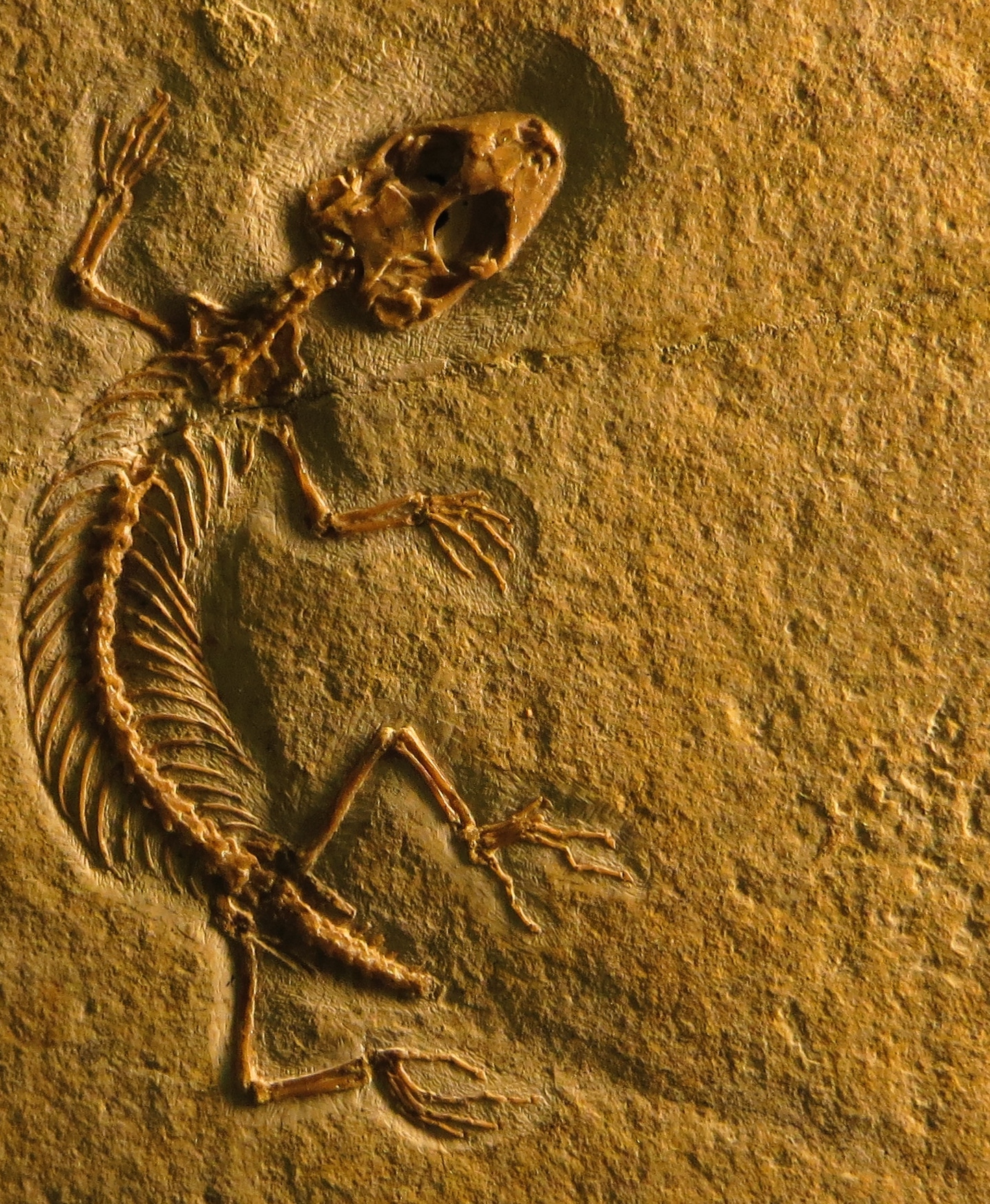
The Squamata are key parts of modern terrestrial faunas, especially in warmer climates, with a diversity of more than 10,000 species. However, understanding the evolutionary paths that made them successful are poorly understood.

In a recent paper Liz et al. (2022) noted that hyper-arid sandy and rocky fields rank among the least biologically diverse habitats, yet knowledge of local biodiversity patterns is poor. The following is a…

The Press Story from the BBC says, This is the largest marine turtle ever found in Europe! It’s called Leviathanochelys aenigmatica, and researchers say it could grow to be as big as a small…