
SerpentResearch.Com
Amphibians, Reptiles, & Natural History
Amphibians, Reptiles, & Natural History

Naturalist, Photographer , Zoologist
After retiring from a career teaching biology and anatomy & physiology and science administration, I study reptiles and amphibians (but focus mostly on squamates). My current interest are in snake phylogeny and diversity, highly aquatic snakes (that are non-sea snakes), the herpetofauna of Trinidad and Tobago, and giant snakes. I have been on the Board of Directors of the Chicago Herpetological Society, the Board of Directors of the Tucson Herpetological Society; a research associate at the Field Museum in Chicago. I have been a member of the International Union for the Conservation of Nature’s (IUCN) Snake Specialists Group International Society for the History and Bibliography of Herpetology (ISHBH); and on the board of directors of Friends of Madera Canyon.

The sixth extinction – that is the present global biodiversity crisis is current and on-going. The International Union for Conservation of Nature (IUCN) suggests the disappearance of at least 1.07% of Earth’s vertebrate species…
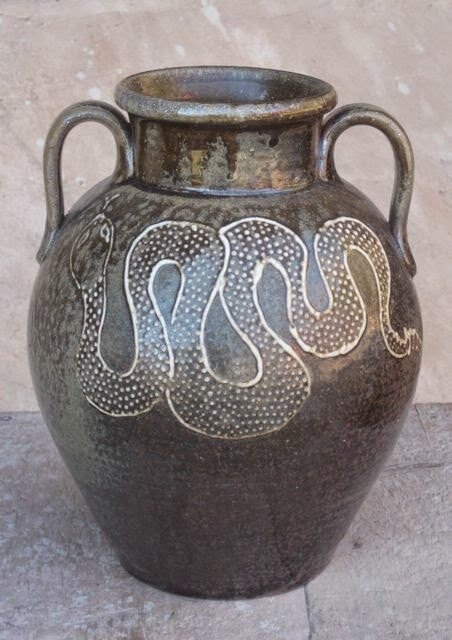
In 184 BCE, Hannibal led the Bithynian fleet in a naval battle against the Pergamenian King, Eumenes II. Despite being heavily outnumbered, Hannibal had ordered his ships to focus their attack on Eumenes’ vessel.…
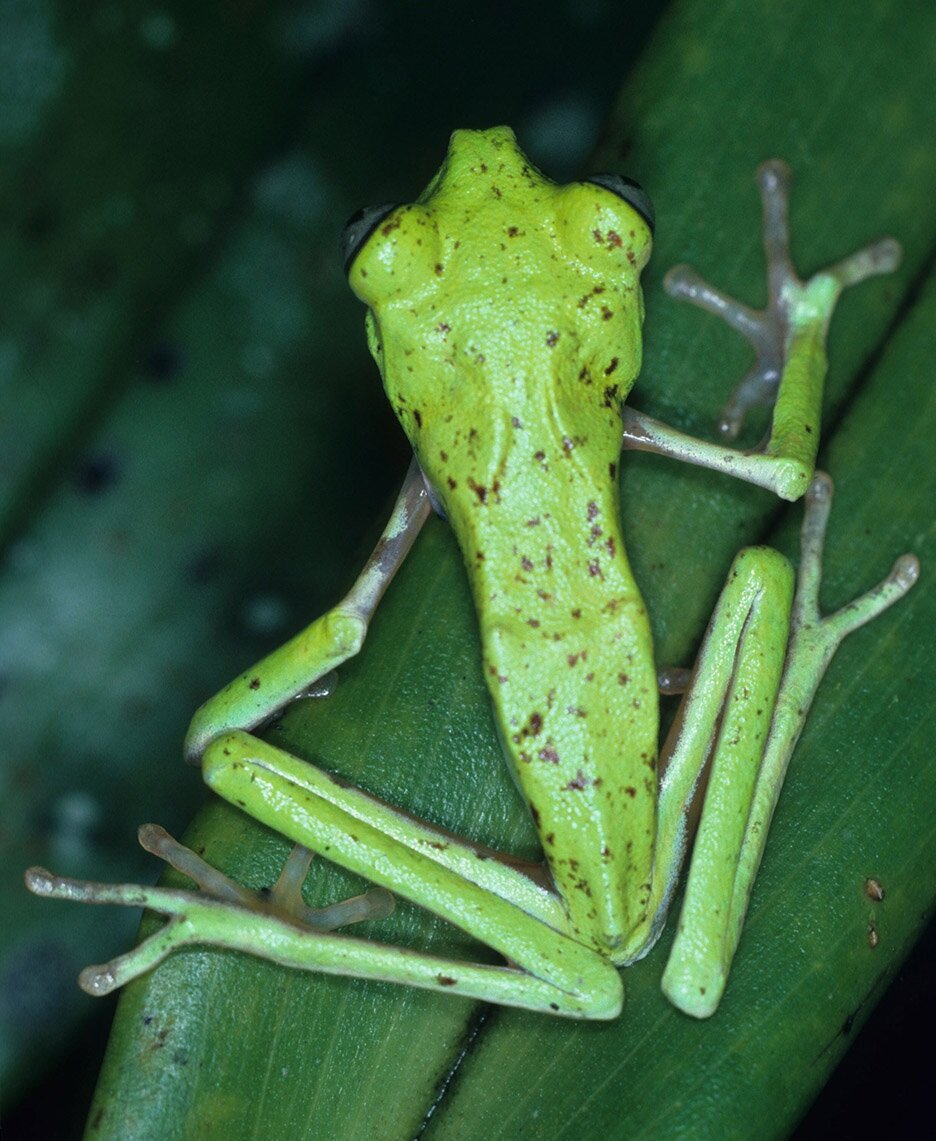
Central American amphibians, like this Lemur Frog, Agalychnis lemur, are disappearing. The result is likely a trophic cascade that results in more insects, including those that are disease vectors.
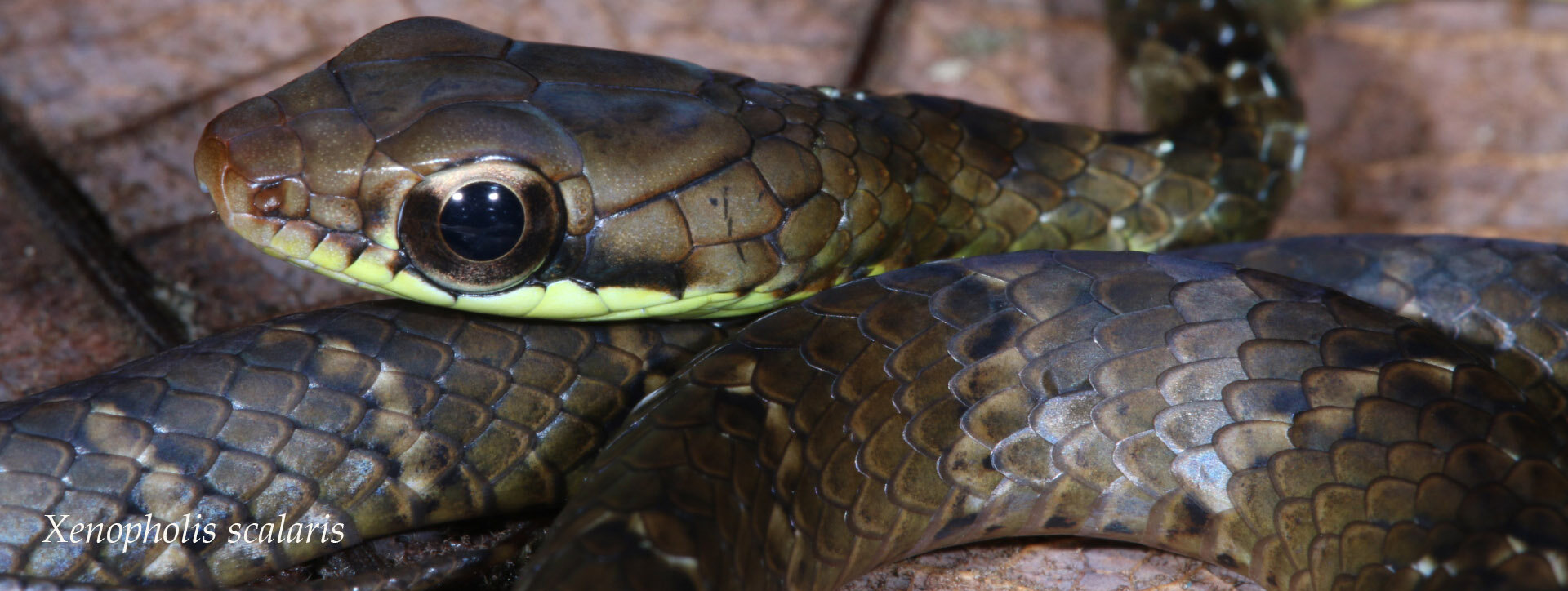
The Neotropical herpetofauna is likely the world’s most diverse and it includes many taxa of uncertain or debated taxonomy. In a recent paper Gomes et a. (2020) evaluate the taxonomic status of species currently…

In a newly published paper in Copeia Weinell et al. (2020) described Levitonius mirus, new genus in the family Cyclocoridae (a family of snakes endemic to the Philippine Archipelago). It differs from all other…
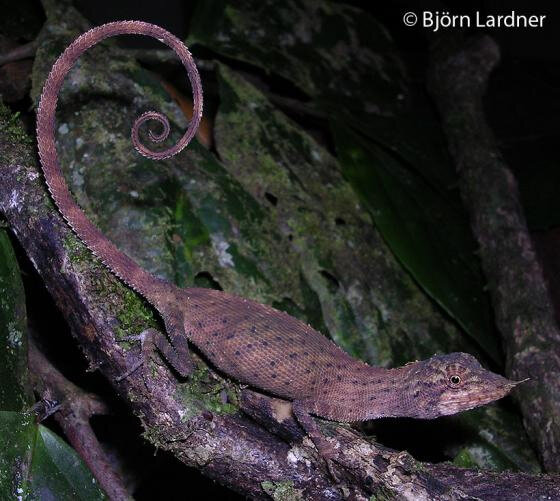
Since Robert Mertens described Harpesaurus borneensis in 1924, it has been not easy to find. The type locality is in central Borneo (Kalimantan), and the species is known from four localities, Sarawak and Kalimantan.…

(a) Greater sea snake, Hydrophis major; (b) swarm of striped eel catfish, Plotosus lineatus. Photographs by (a) Claire Goiran, and (b) Aline Guémas.

The Komodo Dragon, Varanus komodoensis, is the world’s largest lizard, and an island dweller. Fewer than 3,000 individuals live in an area of ~600 km2, divided between the islands of Komodo, Rinca, Nusa Kode, and…
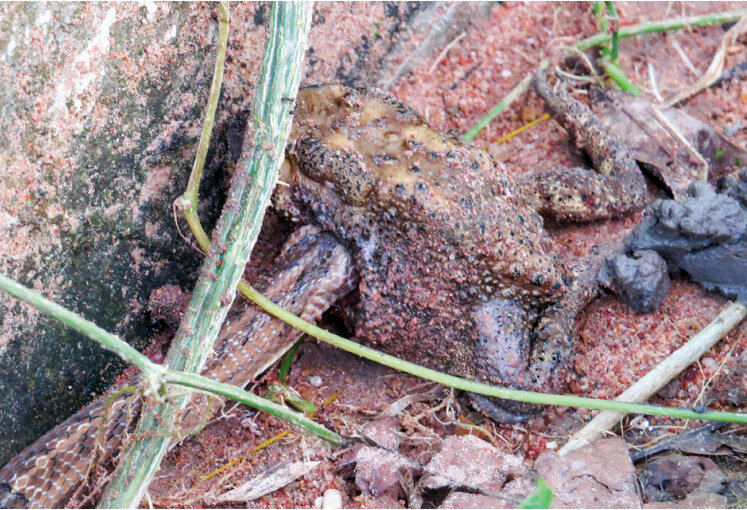
Read any herpetology book on snake feeding behavior and they report snakes swallow their prey in onepiece. There are some, but very few, exceptions. Snail-eating snakes occur in the families Dipsadidae and Pareidae and…