
SerpentResearch.Com
Amphibians, Reptiles, & Natural History
Amphibians, Reptiles, & Natural History
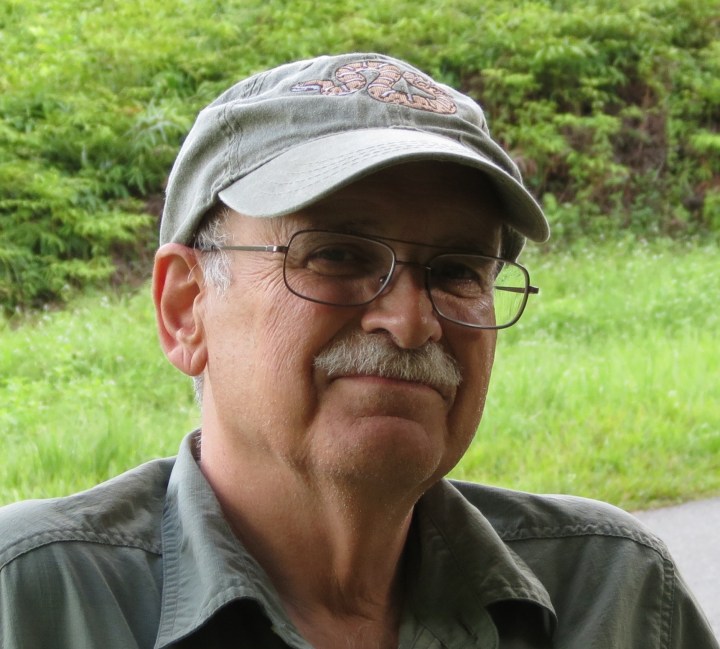
Naturalist, Photographer , Zoologist
After retiring from a career teaching biology and anatomy & physiology and science administration, I study reptiles and amphibians (but focus mostly on squamates). My current interest are in snake phylogeny and diversity, highly aquatic snakes (that are non-sea snakes), the herpetofauna of Trinidad and Tobago, and giant snakes. I have been on the Board of Directors of the Chicago Herpetological Society, the Board of Directors of the Tucson Herpetological Society; a research associate at the Field Museum in Chicago. I have been a member of the International Union for the Conservation of Nature’s (IUCN) Snake Specialists Group International Society for the History and Bibliography of Herpetology (ISHBH); and on the board of directors of Friends of Madera Canyon.
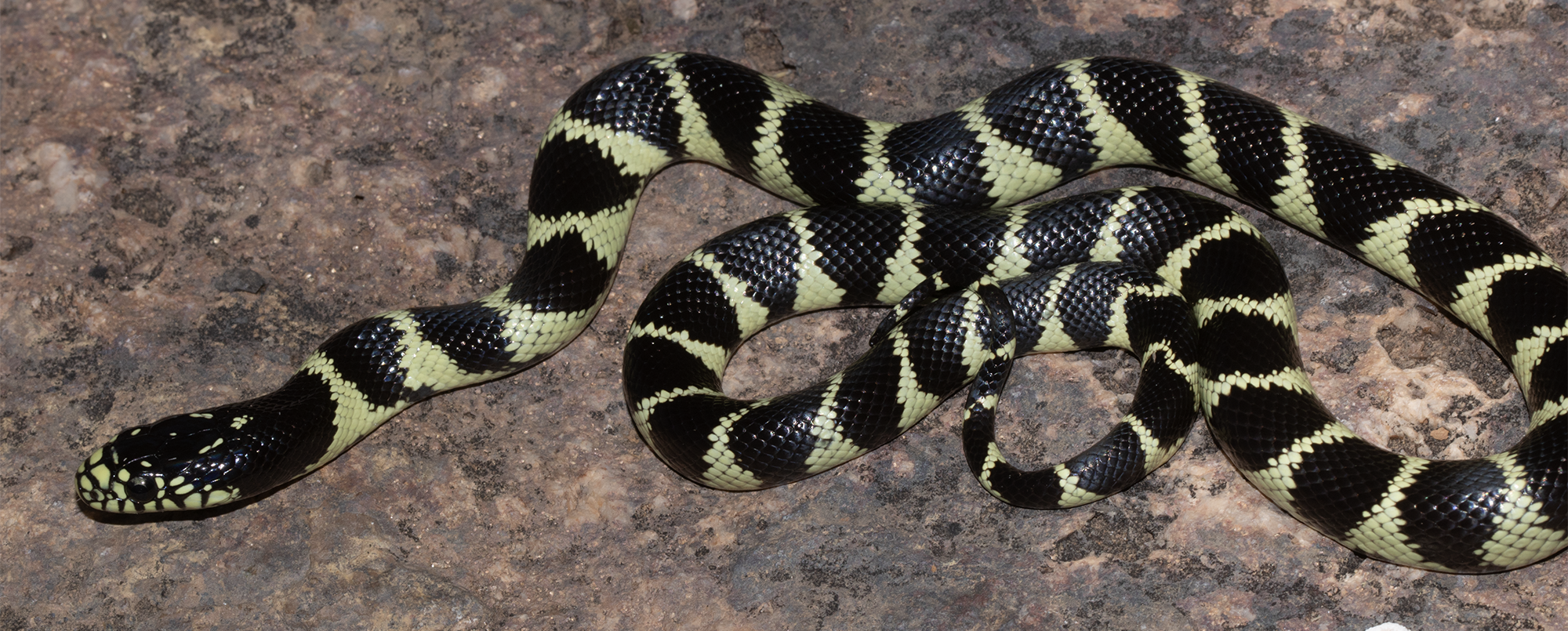
In this study, Maestresalas et al. (2026) characterize the shelter-use regime and the biotic and abiotic factors driving microhabitat selection by California kingsnake shelters on Gran Canaria, in the Canary Islands. The intent is to…

Evolutionary divergence in sexual signals may lead to and maintain reproductive isolation between populations. Both selective forces—such as ecological and sexual selection—and random processes like genetic drift may influence the diversification of sexual signals.…
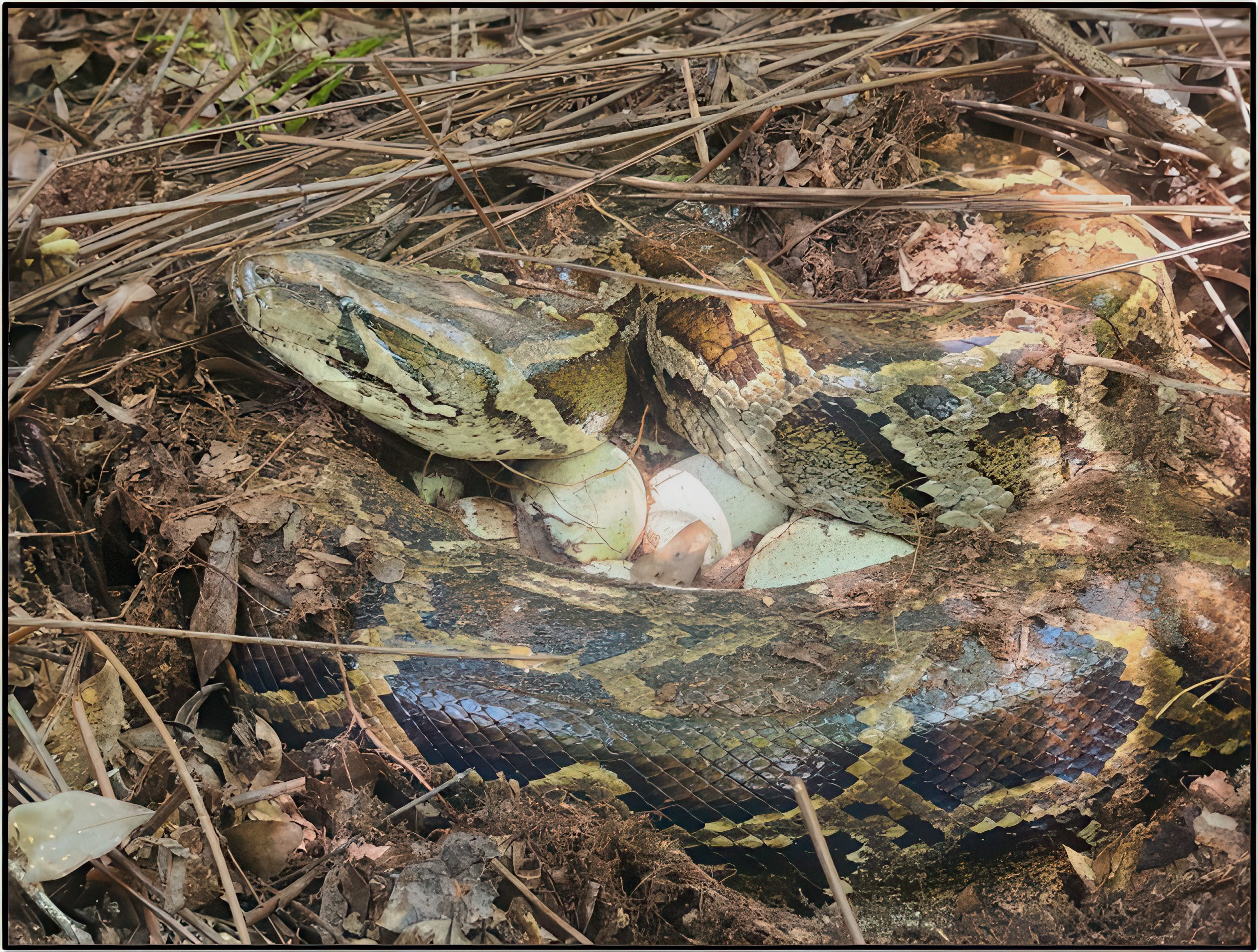
Lisa McBride, a U.S. Geological Survey (USGS) biologist, led a study to document a record-setting Burmese python nest found in Big Cypress National Preserve in 2022. McBride’s work details the python’s nesting behaviors and…
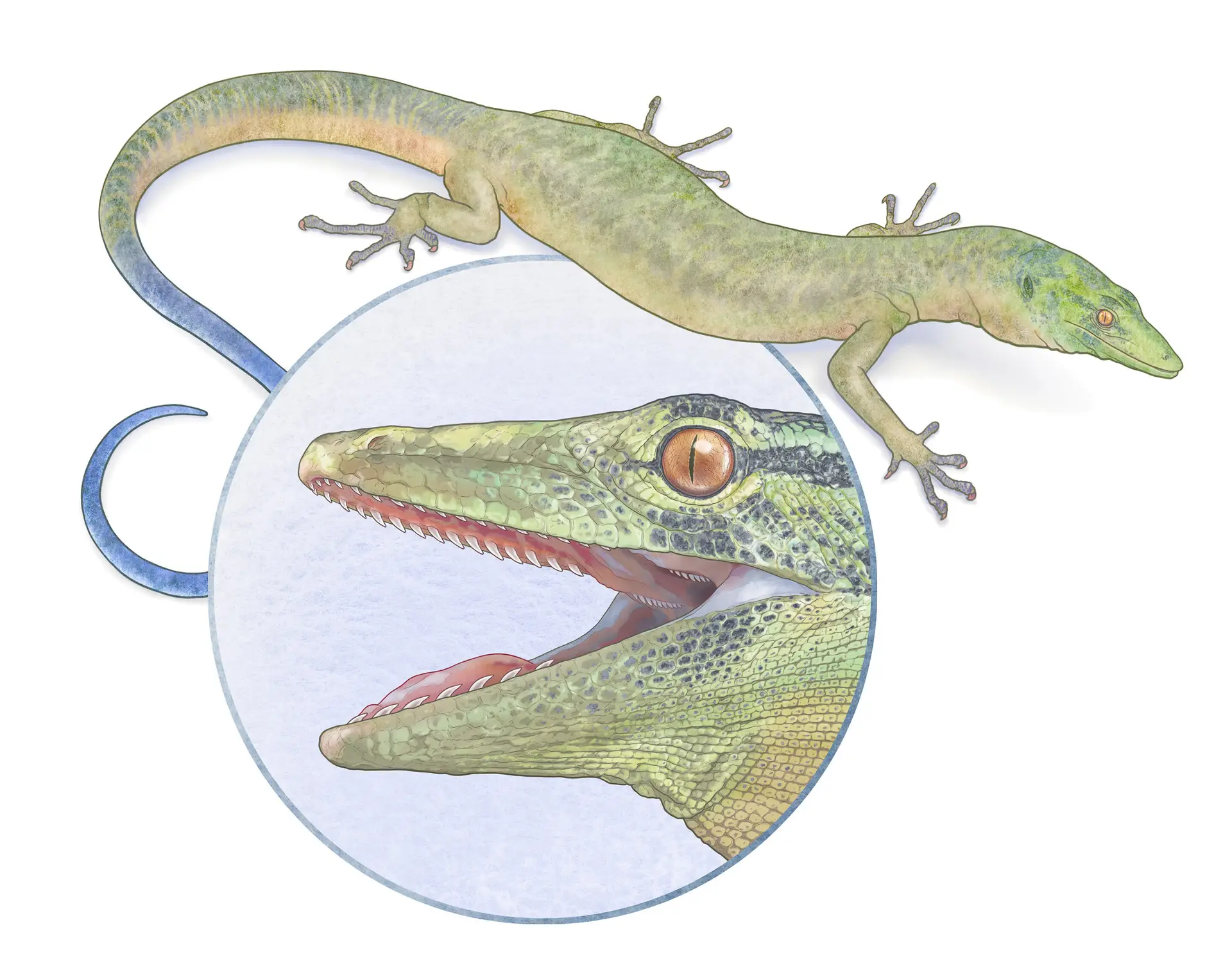
by American Museum of Natural History edited by Sadie Harley, reviewed by Robert Egan New research has uncovered a species of hook-toothed lizard that lived about 167 million years ago and has a confusing set of features…

Alejandro Arteaga, a herpetologist in Ecuador sent out out the following email. If you have the resources for helping Alejandro I encourage you to do so. Today, I want to reveal a project I…
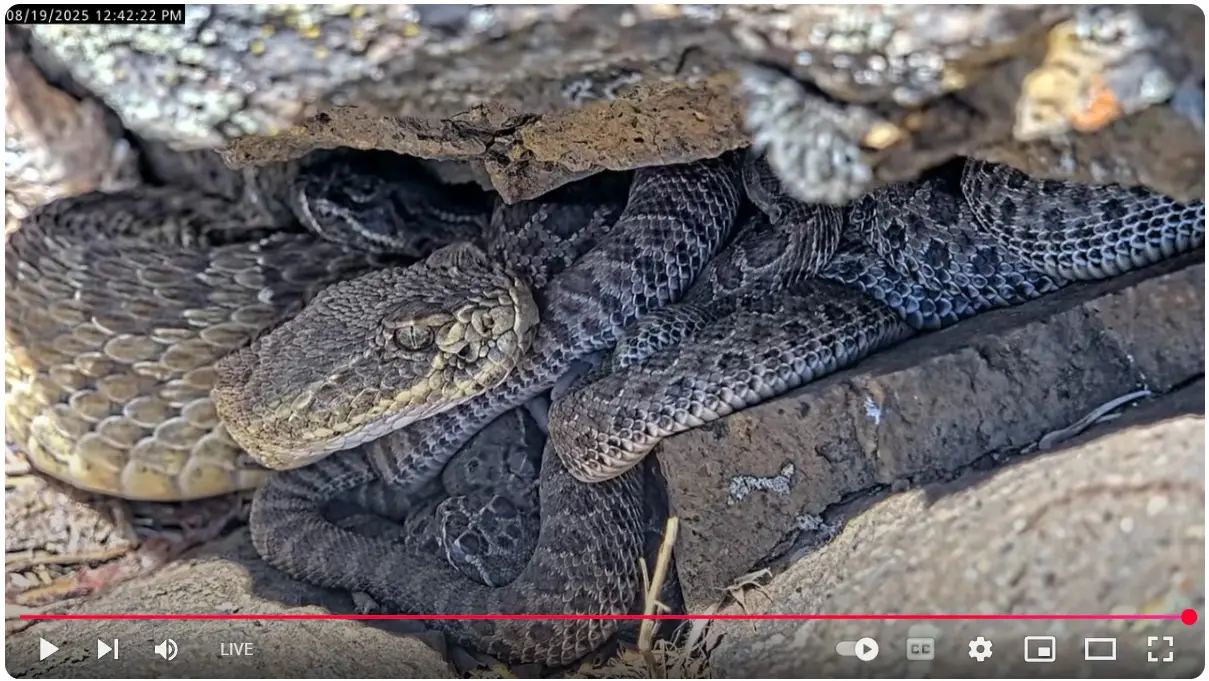
If you haven’t found this website yet, it’s now time to explore it with your friends and family. Dr Emily Taylor,Professor, California Polytechnic State University. Scott Boback, Associate Professor of Biology at Dickinson College…

Snakes are significant predators in many ecosystems, but high rates of road mortality threaten to diminish their ecological contributions. Documenting species-specific and demographic patterns of road use is crucial for understanding potential impacts, which…

Body size is a critical trait that influences an animal’s physiology, behavior, and ecology. However, the molecular mechanisms underlying its evolution remain poorly understood, particularly in snakes. Snakes exhibit a remarkably wide range of…

A New Chironius from Ceara, Brazil Currently, the proposed diagnoses for the Chironius bicarinatus complex reflect a wide variation in color pattern and pholidosis. Sudre et al. (2024) reviewed the Chironius bicarinatus complex based on morphological and molecular data…