
SerpentResearch.Com
Amphibians, Reptiles, & Natural History
Amphibians, Reptiles, & Natural History
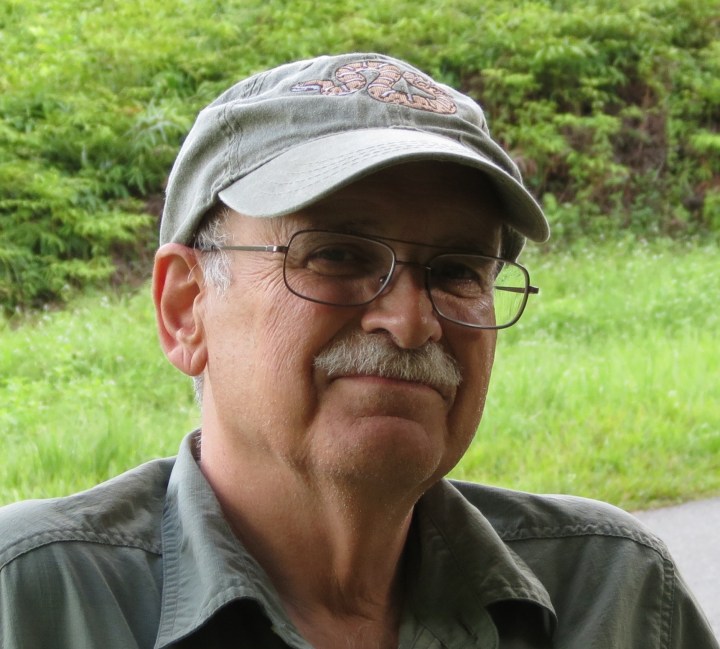
Naturalist, Photographer , Zoologist
After retiring from a career teaching biology and anatomy & physiology and science administration, I study reptiles and amphibians (but focus mostly on squamates). My current interest are in snake phylogeny and diversity, highly aquatic snakes (that are non-sea snakes), the herpetofauna of Trinidad and Tobago, and giant snakes. I have been on the Board of Directors of the Chicago Herpetological Society, the Board of Directors of the Tucson Herpetological Society; a research associate at the Field Museum in Chicago. I have been a member of the International Union for the Conservation of Nature’s (IUCN) Snake Specialists Group International Society for the History and Bibliography of Herpetology (ISHBH); and on the board of directors of Friends of Madera Canyon.
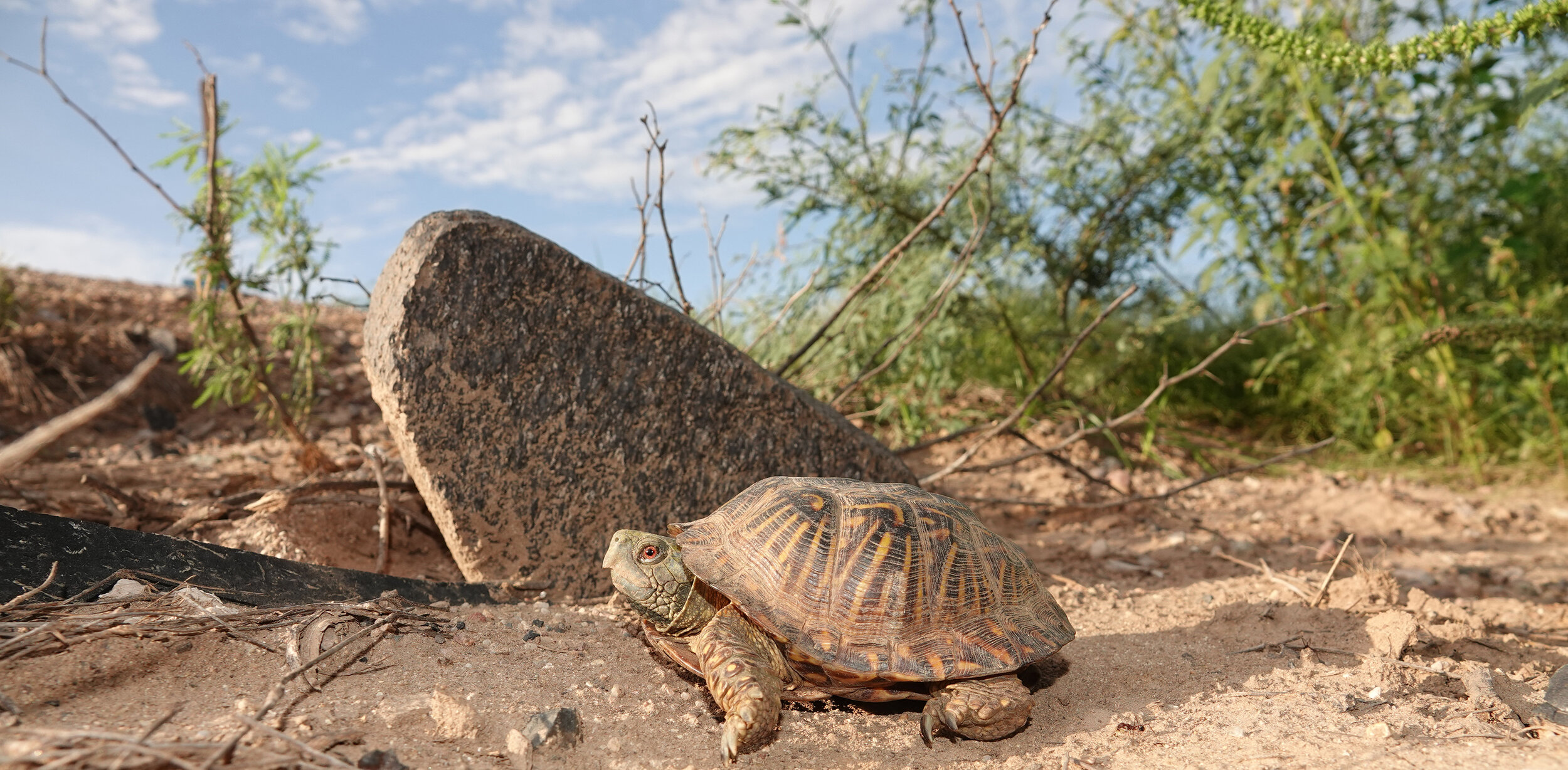
The Ornate Box Turtle is at the western edge of its range in Pima County, Arizona
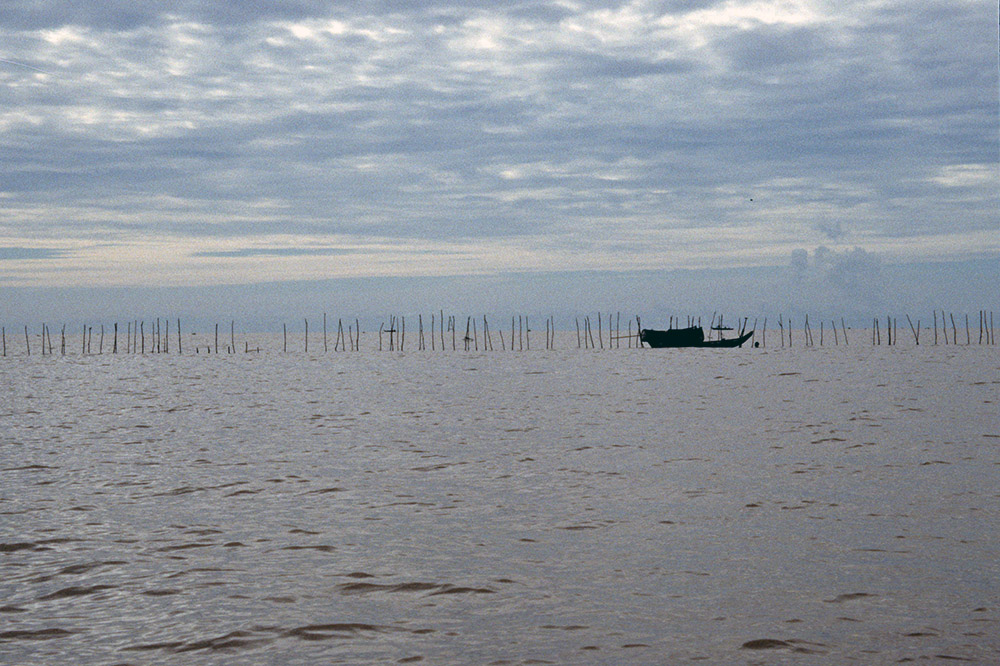
The following is an abstract and some lightly edited text from English et al. (2023) on the Tonle Sap aquatic snake harvest. The paper can be found by clicking here. The Tonlé Sap Lake…
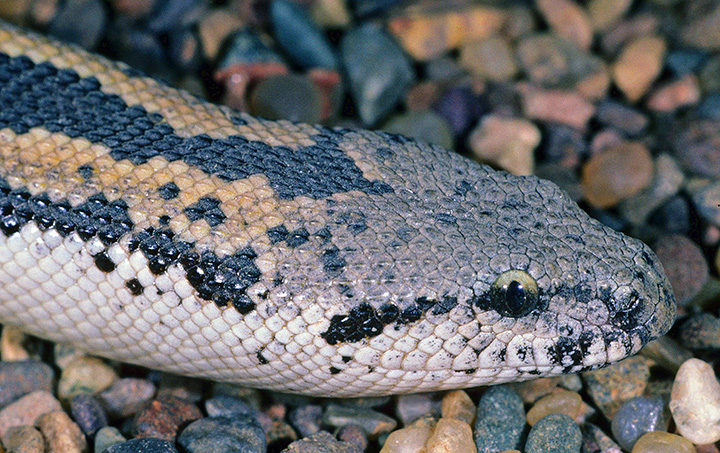
Sand boas of the Eryx (family Erycidae) are a group of stout terrestrial snakes with rather short, stubby tails and specialized shovel-shaped snouts suited to their burrowing lifestyle. Recent molecular phylogenetic studies, found the…

Snakes are usually thought of as deaf. But they are not. While they lack external ears, they have sound receptors.

Their results showed that the hardness and shape of the prey, as well as the environment in which the snake hunts, play a significant role in determining the shape and size of its teeth.…

We found that there was no relationship between growth rate and size,” said D’Emic. “Some gigantic dinosaurs grew very slowly, slower than alligators do today. And some smaller dinosaurs grew very fast, as fast…
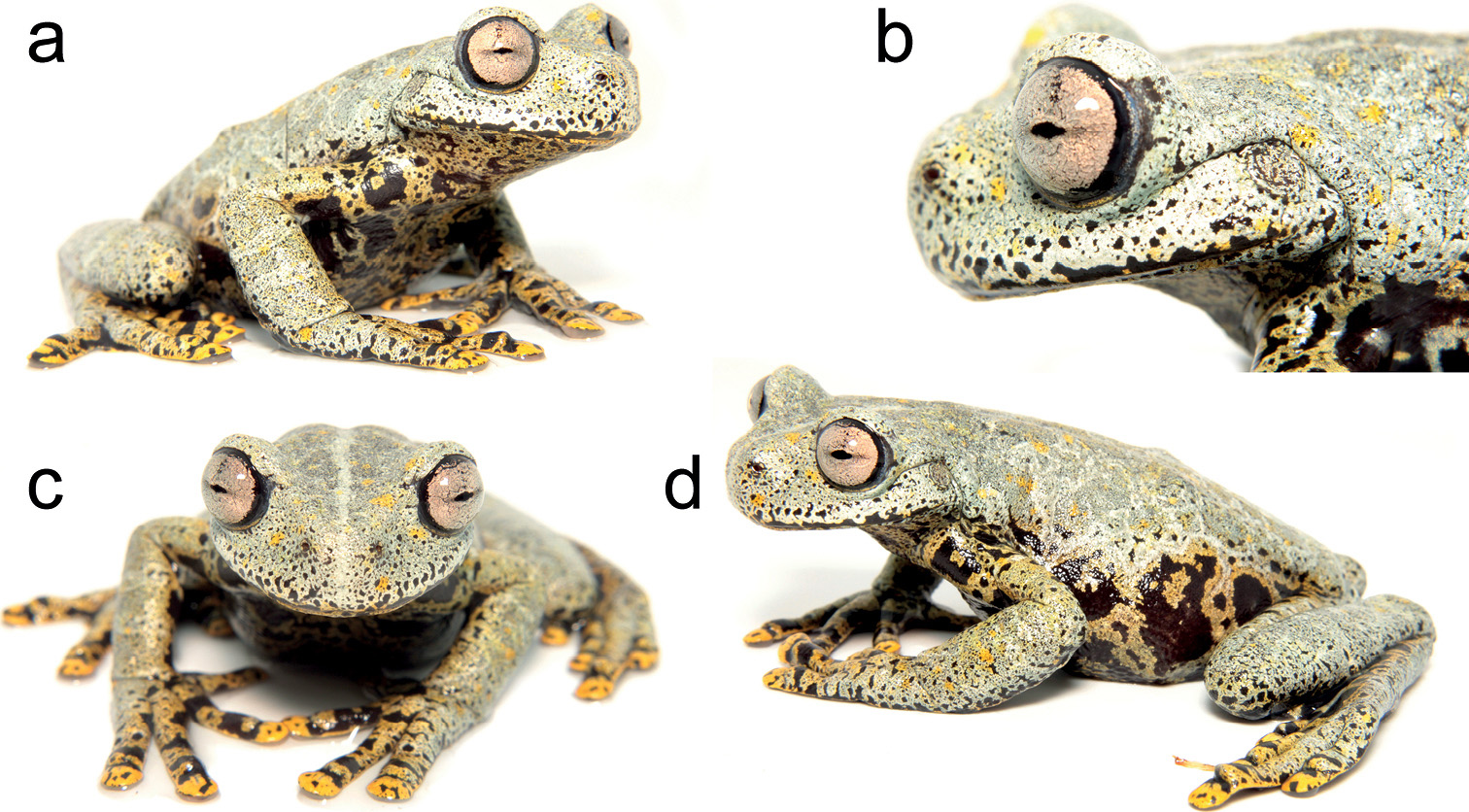
Hyloscirtus tolkieni is a steream breeding hylid from from Río Negro-Sopladora National Park, province of Morona Santiago.

The diet of Bothrops asper changes with age. Young individuals feed on amphibians, centipedes, reptiles, and mammals. Older individuals specialize in mammals.
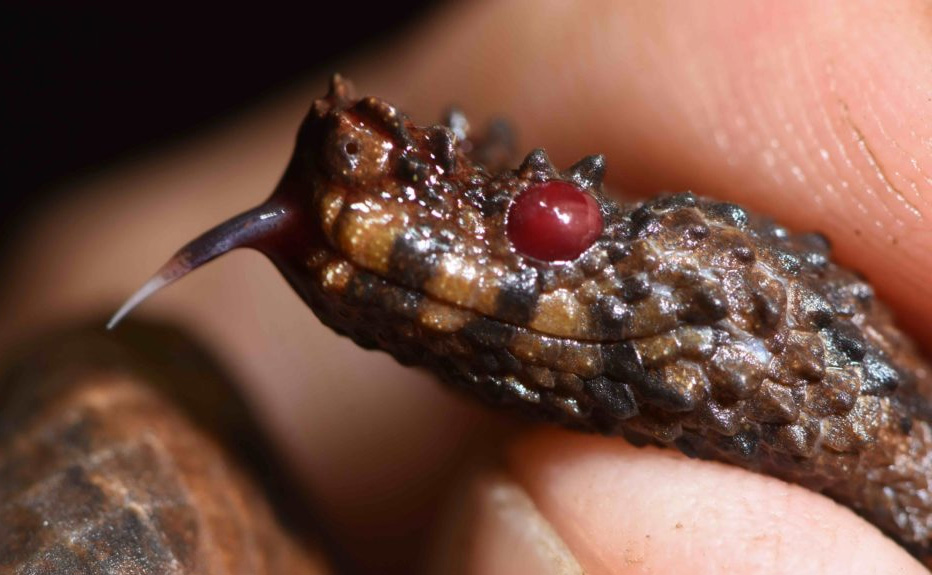
Autohemorrhaging means an animal breaks blood vessels and releases blood at will. Often it is associated with stressful situations It has also been called reflexive bleeding. It is perhaps best known in horned lizards…