
SerpentResearch.Com
Amphibians, Reptiles, & Natural History
Amphibians, Reptiles, & Natural History

Naturalist, Photographer , Zoologist
After retiring from a career teaching biology and anatomy & physiology and science administration, I study reptiles and amphibians (but focus mostly on squamates). My current interest are in snake phylogeny and diversity, highly aquatic snakes (that are non-sea snakes), the herpetofauna of Trinidad and Tobago, and giant snakes. I have been on the Board of Directors of the Chicago Herpetological Society, the Board of Directors of the Tucson Herpetological Society; a research associate at the Field Museum in Chicago. I have been a member of the International Union for the Conservation of Nature’s (IUCN) Snake Specialists Group International Society for the History and Bibliography of Herpetology (ISHBH); and on the board of directors of Friends of Madera Canyon.

The White-spotted Cat Snake, Boiga drapiezii, a Sundaland species that also occurs in southern Thailand.
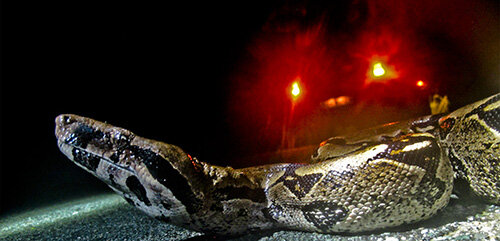
Tom Crutchfield commented on the lengths of boas and notes that the Common Boa Constrictor ( Boa constrictor ) probably does not exceed 15 feet (4.57 m) in length. However, the Cuban Boa, Chilabothrus…
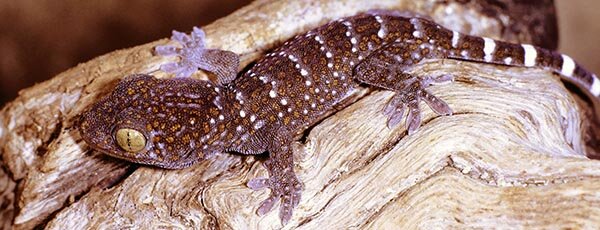
Osteoderms, bones that form in dermal tissue maybe a continuous or patchy layer of hard tissue in the dermis, a trait that is found in many lineages of tetrapods, including frogs, dinosaurs, leatherback turtles,…
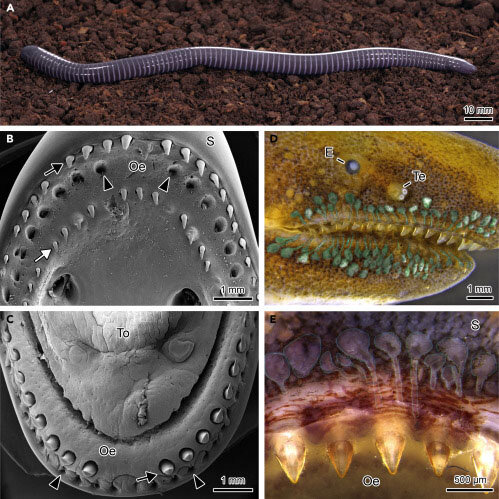
Structure of the Upper Jaw and Lower Jaw of S. annulatus(A–D) (A) S. annulatus. (B) Upper jaw. (C) Lower jaw. (D) Head after partial skin corrosion showing the tooth-related glands digitally enhanced in green.(E)…
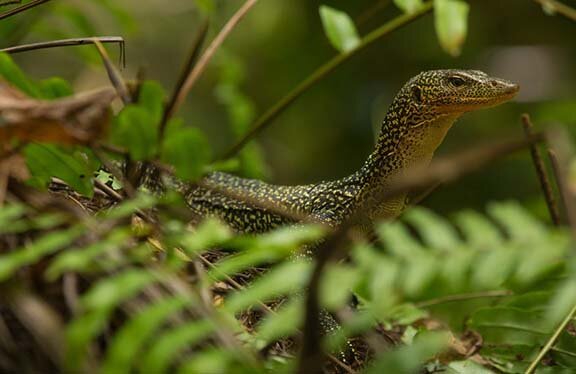
Above: a subadult Varanus bennetti, a newly described species from Losiep Island, Federated States of Micronesia ( photo by James Reardon). The monitor lizards of Palau, the Western Carolines and the Mariana Islands have…
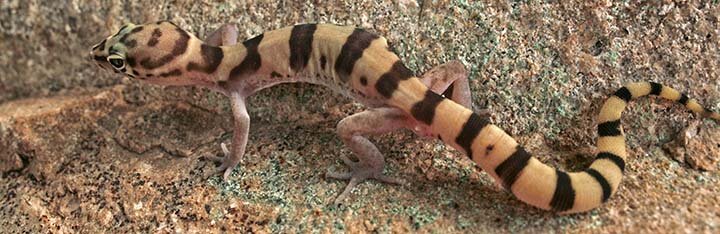
Laurence Klauber writing about banded geckos in 1945 notes that Coleonyx is found only in North America and that they occur from the arid areas of the southwestern United States southward to the jungles…
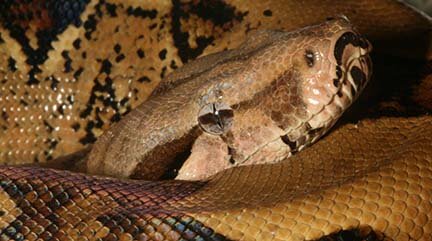
Today snakes of the genus Boa have a patchy distribution in the islands that form the Lesser Antilles in the Caribbean Sea, but the constrictors are nearly absent from archaeological deposits in the region.…

In the early 1980’s, while working on the Trinidad and Tobago fauna I was in the field four or five times but by the late 1980’s I was focused on working on museum specimens…

Above. The holotype of Persiophis fahimii. Photo by Roman A. Nazarov. Rajabizadeh et al. (2020) present an updated phylogeny of colubrid snakes from the Western Palearctic by analyzing a supermatrix of all available global…