
SerpentResearch.Com
Amphibians, Reptiles, & Natural History
Amphibians, Reptiles, & Natural History

Naturalist, Photographer , Zoologist
After retiring from a career teaching biology and anatomy & physiology and science administration, I study reptiles and amphibians (but focus mostly on squamates). My current interest are in snake phylogeny and diversity, highly aquatic snakes (that are non-sea snakes), the herpetofauna of Trinidad and Tobago, and giant snakes. I have been on the Board of Directors of the Chicago Herpetological Society, the Board of Directors of the Tucson Herpetological Society; a research associate at the Field Museum in Chicago. I have been a member of the International Union for the Conservation of Nature’s (IUCN) Snake Specialists Group International Society for the History and Bibliography of Herpetology (ISHBH); and on the board of directors of Friends of Madera Canyon.

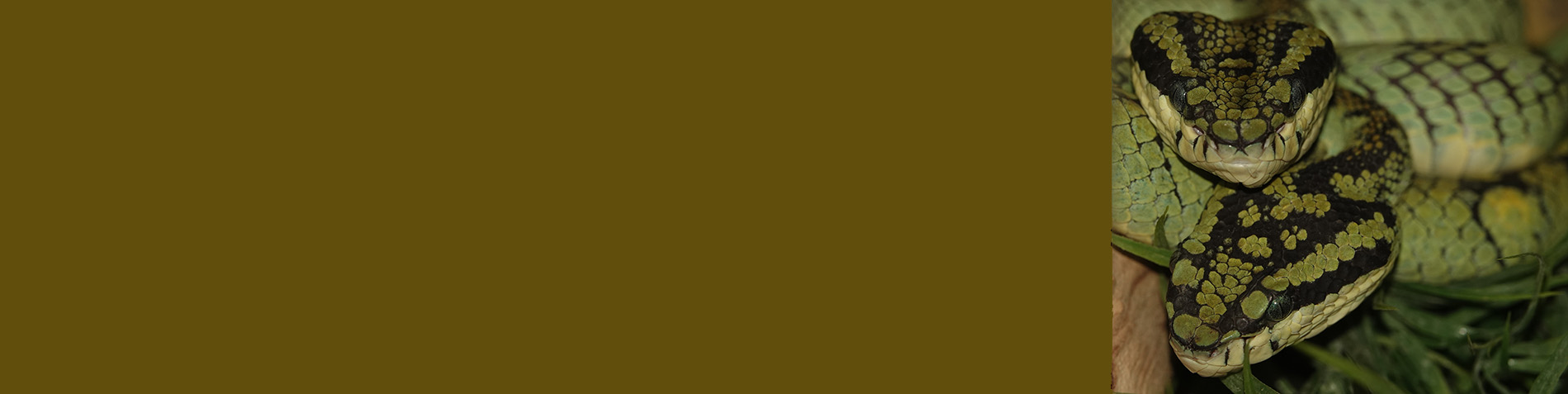
A new paper in Herpetology and Ichthyology finds the Green Rat Snake likely contains multiple species level clades.

The King Cobra is thought of as a single wide spread species, but a recent paper published in MPE suggests it is at least four species.
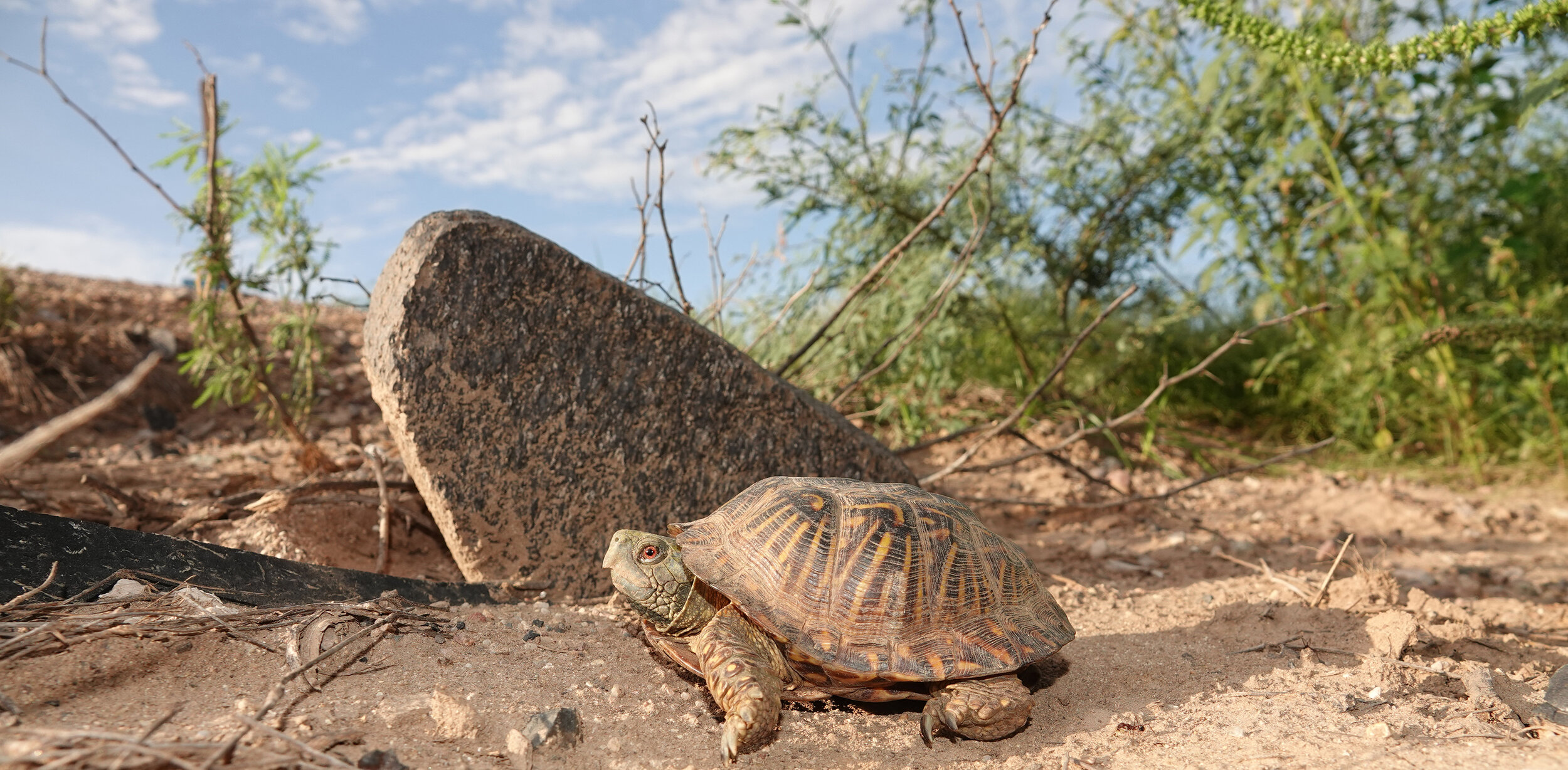
The Ornate Box Turtle is at the western edge of its range in Pima County, Arizona

A new fossil suggests it may be the ancestor to the tuatara, lizards and snakes
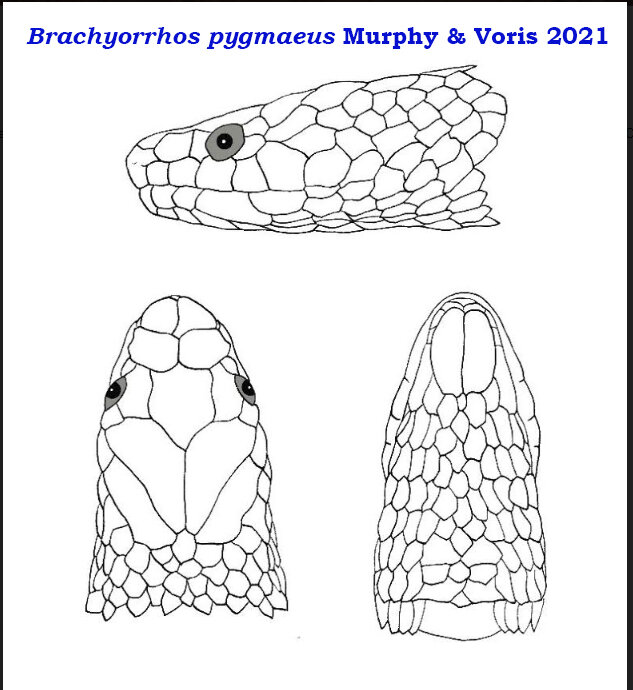
The Barbados Threadsnake, (Tetracheilostoma carlae), is considered the world’s smallest snake. It is tiny – reaching a maximum adult length of only 104 mm (4.1 inches) and an average weight of 0.6 g (0.02…
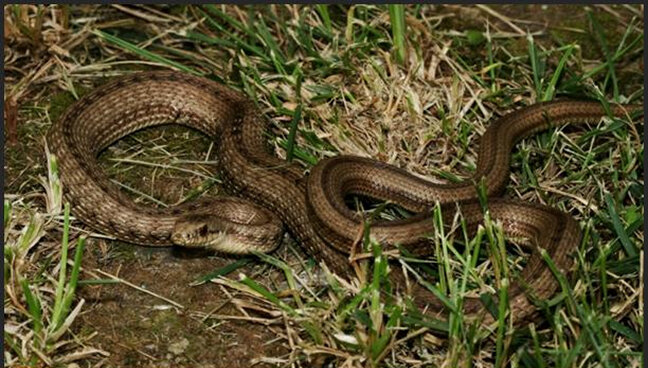
Hot-spring snakes of the genus Thermophis are unique – they are one of the few eastern hemisphere members of the family Dipsasidae – all of the others reside in the western hemisphere, and they…
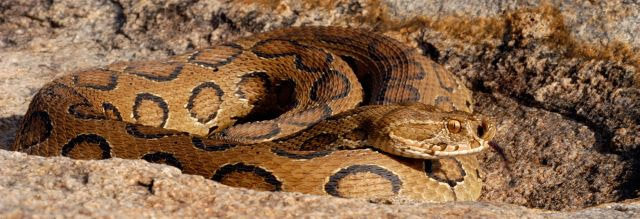
Russells Viper, Bannerghatta, India. Saleem Hameed <saleemham at rediffmail.com>, CC BY 2.5 <https://creativecommons.org/licenses/by/2.5>, via Wikimedia Commons
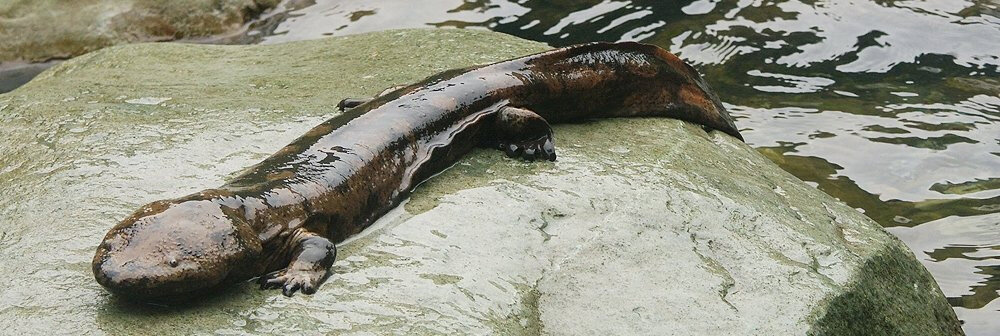
In a recently published paper Wang et al. (2021) studied the movement of critically endangered Chinese giant salamander (Andrias davidianus). The behavior remains poorly understood due to the rareness of wild…
