

SerpentResearch.Com
Amphibians, Reptiles, & Natural History
Amphibians, Reptiles, & Natural History

Naturalist, Photographer , Zoologist
After retiring from a career teaching biology and anatomy & physiology and science administration, I study reptiles and amphibians (but focus mostly on squamates). My current interest are in snake phylogeny and diversity, highly aquatic snakes (that are non-sea snakes), the herpetofauna of Trinidad and Tobago, and giant snakes. I have been on the Board of Directors of the Chicago Herpetological Society, the Board of Directors of the Tucson Herpetological Society; a research associate at the Field Museum in Chicago. I have been a member of the International Union for the Conservation of Nature’s (IUCN) Snake Specialists Group International Society for the History and Bibliography of Herpetology (ISHBH); and on the board of directors of Friends of Madera Canyon.
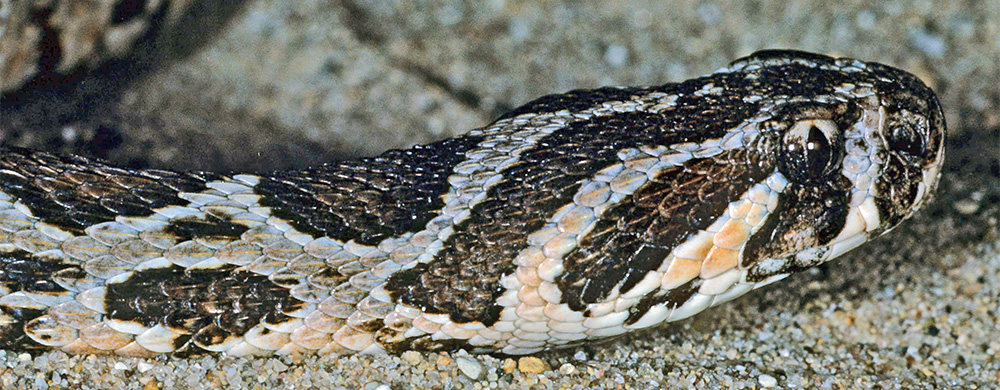
Some of the most medically important snakes in the world belong to the in the genus Daboia. These vipers are responsible for some of highest numbers of human envenomations.

Snake venom has long shown promise as a treatment for cancer in a wide range of animal trials dating back several years. Celtic Biotech isolated a protein in a type of rattlesnake venom that…
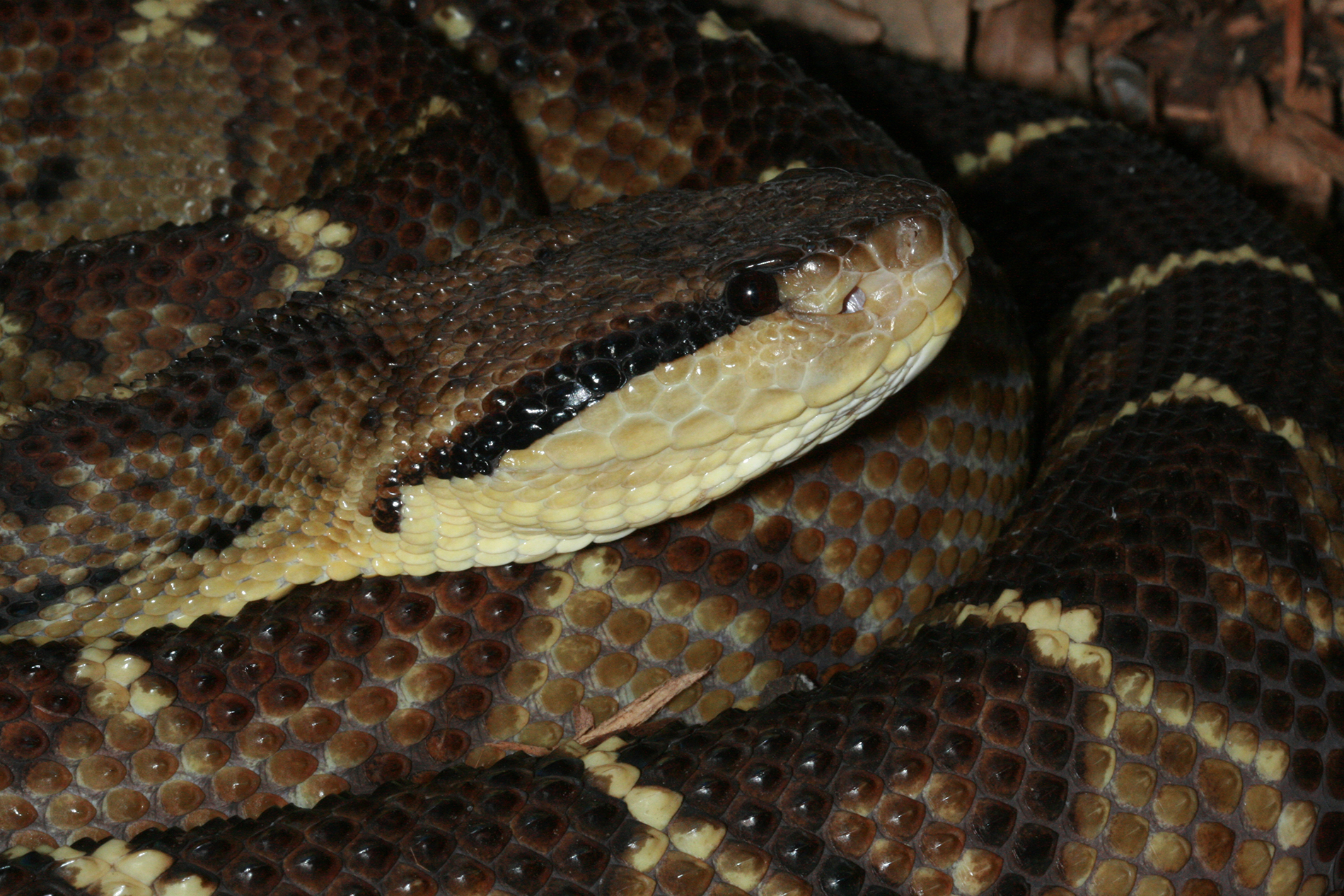
They are the largest pit-vipers and the only oviparous pit- vipers in the western hemisphere.
Guatemalan Beaded Lizards are known only from the arid regions of the upper Motagua Valley in eastern Guatemala. The isolated desert habitats in this region are surrounded by mountains covered with humid forests, a…
Lizards and Climate Change Temperature is an important factor affecting biological processes in all forms of life. For example, geographical distribution, the speed of enzyme actions, muscle contractions, defense behavior, foraging performance, and reproduction…
The kraits in the genus Bungarus, are venomous elapid snakes which inhabit the Asian subcontinent. Most members of the genus are poorly studied, However, recent study on the diversification and evolution of elapid snakes…

The following was slightly edited from Natalie Neysa Alund’s article in USA TODAY This 18-foot python caught by workers in the Everglades National Park in Florida was euthanized and during a necropsy, scientists found…
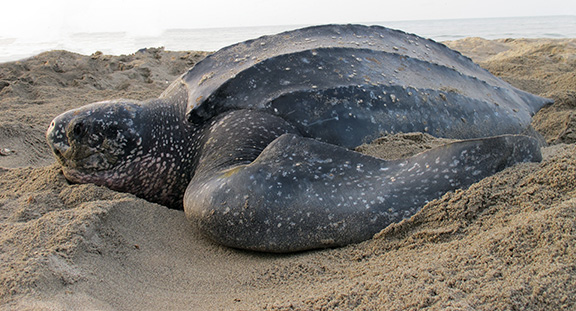
Human demand for shark fin soup, particularly in East Asia, has threatened shark populations Joseph Prezioso AFP/File Panama City (AFP) – The trade in shark fins, turtles, and other threatened species will come under…
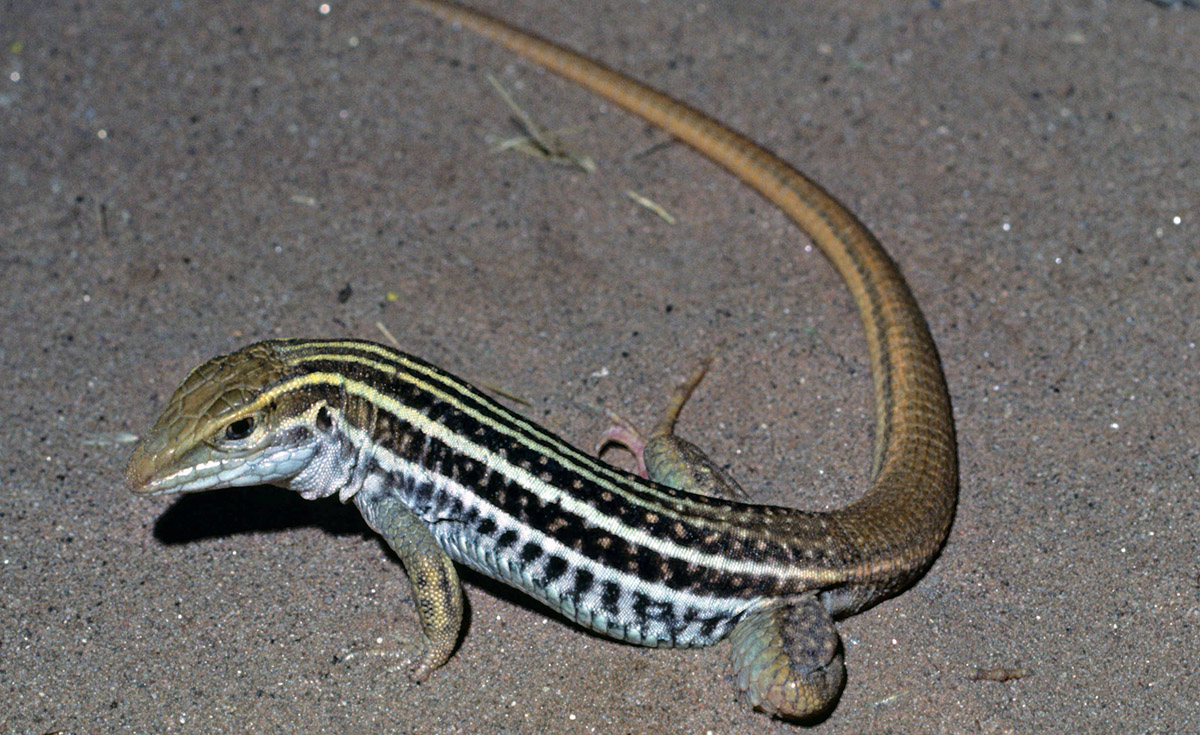
The species show considerable ontogenetic changes and while juveniles and young adults are striped, older adults lose the stripes are spotted.