
SerpentResearch.Com
Amphibians, Reptiles, & Natural History
Amphibians, Reptiles, & Natural History
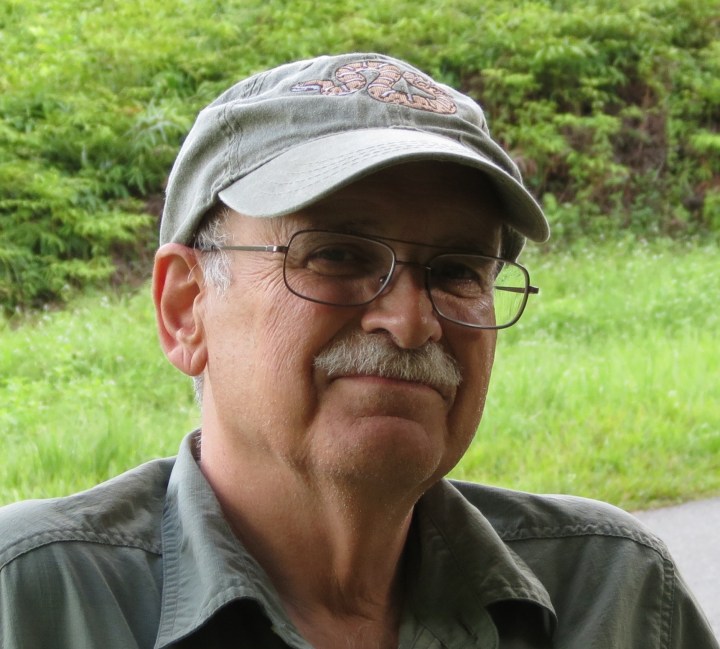
Naturalist, Photographer , Zoologist
After retiring from a career teaching biology and anatomy & physiology and science administration, I study reptiles and amphibians (but focus mostly on squamates). My current interest are in snake phylogeny and diversity, highly aquatic snakes (that are non-sea snakes), the herpetofauna of Trinidad and Tobago, and giant snakes. I have been on the Board of Directors of the Chicago Herpetological Society, the Board of Directors of the Tucson Herpetological Society; a research associate at the Field Museum in Chicago. I have been a member of the International Union for the Conservation of Nature’s (IUCN) Snake Specialists Group International Society for the History and Bibliography of Herpetology (ISHBH); and on the board of directors of Friends of Madera Canyon.

The following article appeared in the Florida Weekly Bonita Springs edition. Pythons are slithering into more areas of Florida, but scientists take innovative strides to stop them.By StaffDecember 14, 2023 BY ROGER WILLIAMSrwilliams@floridaweekly.com It’s…

Planning for conservation requires accurate estimates of tropical extinction rates to assess the effects of human activity on biodiversity. Despite losing most of its tropical primary forest since 1819, Singapore has an incredibly detailed…
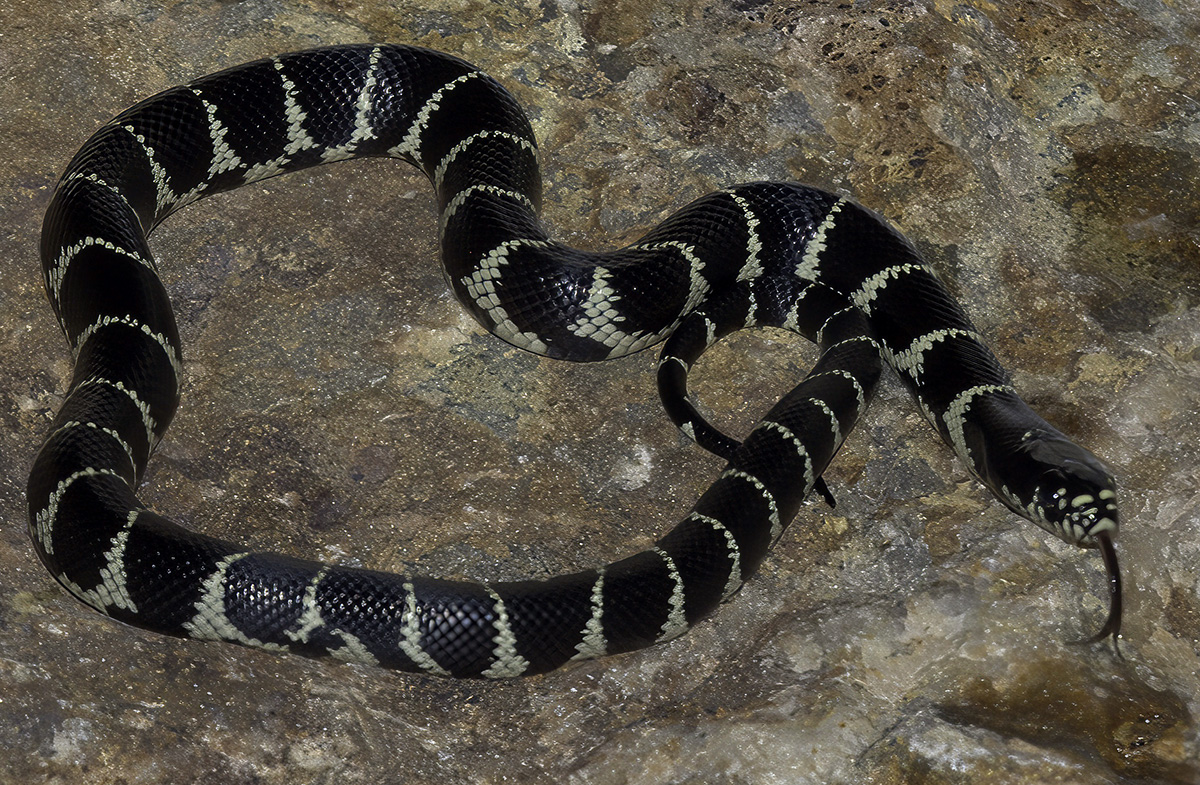
Information on the biology and ecology of invasive predators can be crucial to developing control strategies and action plans. Still, particularly home range, activity patterns, or habitat use can facilitate more effective trapping. This…

In the world of biodiversity, Earth’s amphibians play a crucial role. From the magnificent Wallace’s Flying Frog to the Trinidad’s Bromeliad dwelling tree frog and the huge Chinese Giant Salamander these fascinating animals have…
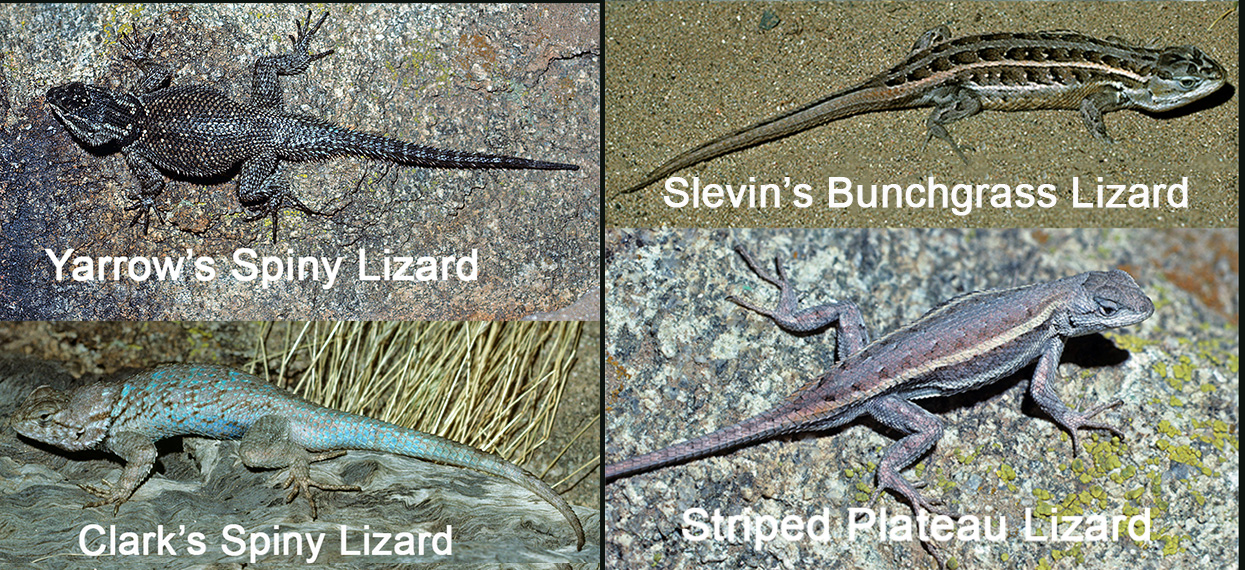
Niche partitioning is a concept at the heart of understanding biodiversity. The concept refers to the process by which natural selection drives competing species into different patterns of resource use in various niches. Two…

Our knowledge of the biodiversity of Asia and Australasia continues to expand with more focused studies on the systematics of various groups and their biogeography. Historically, fluctuating sea levels and cyclic connection and separation…

Alejandro Arteaga, a herpetologist in Ecuador sent out out the following email. If you have the resources for helping Alejandro I encourage you to do so. Today, I want to reveal a project I…

We detected clear ontogenetic venom variation in C. m. nigrescens. Venoms from younger snakes contained more crotamine-like myotoxins and snake venom serine proteinases than venoms from older snakes...

The Pantepui is a remote, biodiverse region made famous by Arthur Conan Doyle’s novel, The Lost World. In a recent article, Kok and Means (2023) describe the new species, Paikwaophis kruki (Dipsadidae: Xenodontinae). It…