
SerpentResearch.Com
Amphibians, Reptiles, & Natural History
Amphibians, Reptiles, & Natural History

Naturalist, Photographer , Zoologist
After retiring from a career teaching biology and anatomy & physiology and science administration, I study reptiles and amphibians (but focus mostly on squamates). My current interest are in snake phylogeny and diversity, highly aquatic snakes (that are non-sea snakes), the herpetofauna of Trinidad and Tobago, and giant snakes. I have been on the Board of Directors of the Chicago Herpetological Society, the Board of Directors of the Tucson Herpetological Society; a research associate at the Field Museum in Chicago. I have been a member of the International Union for the Conservation of Nature’s (IUCN) Snake Specialists Group International Society for the History and Bibliography of Herpetology (ISHBH); and on the board of directors of Friends of Madera Canyon.
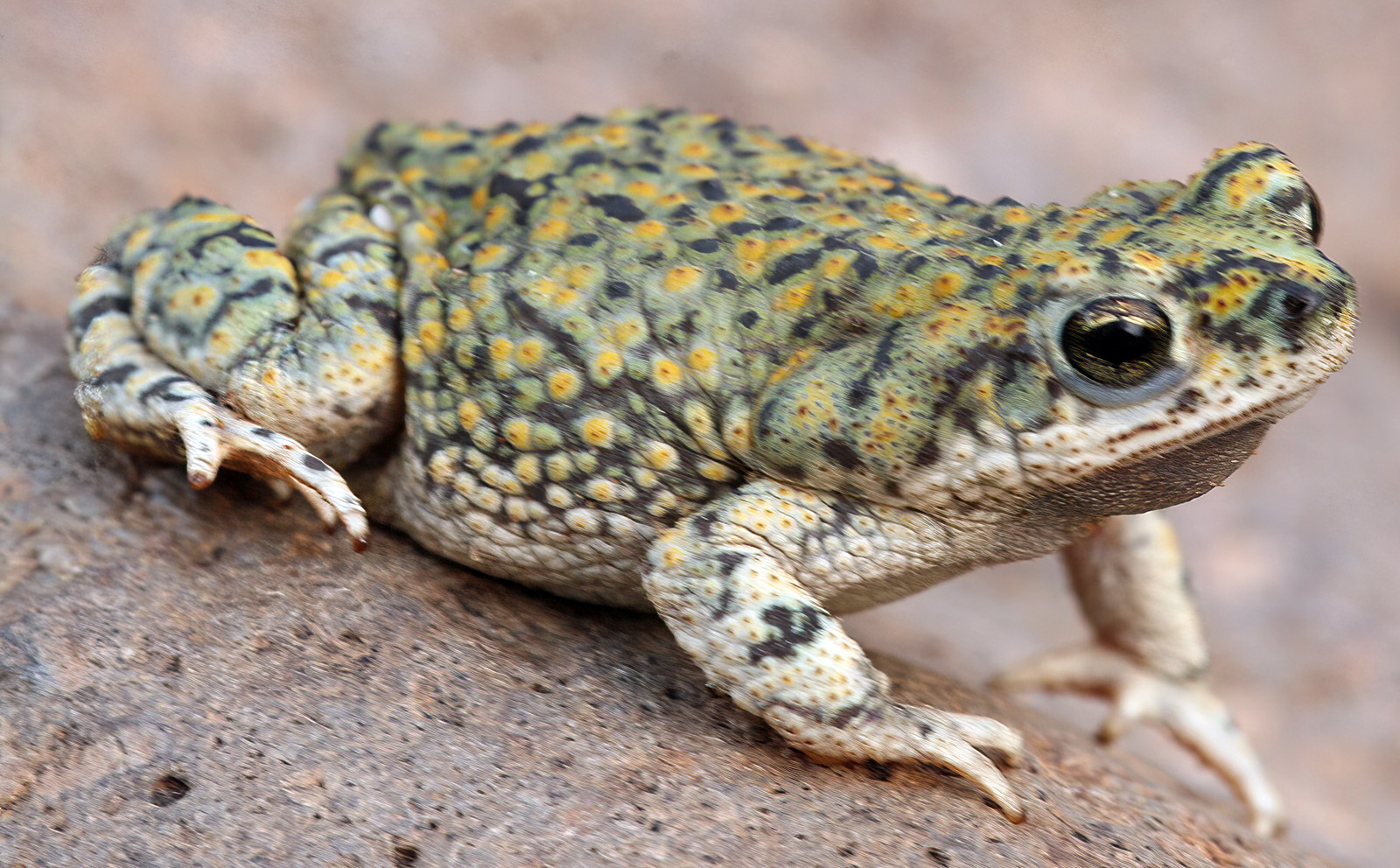
In evolutionary and ecological research across various organisms, the utilization of large-scale, time-calibrated phylogenies derived from supermatrix studies has gained paramount importance. Nonetheless, a notable issue persists with the existing supermatrix-based estimates when it…
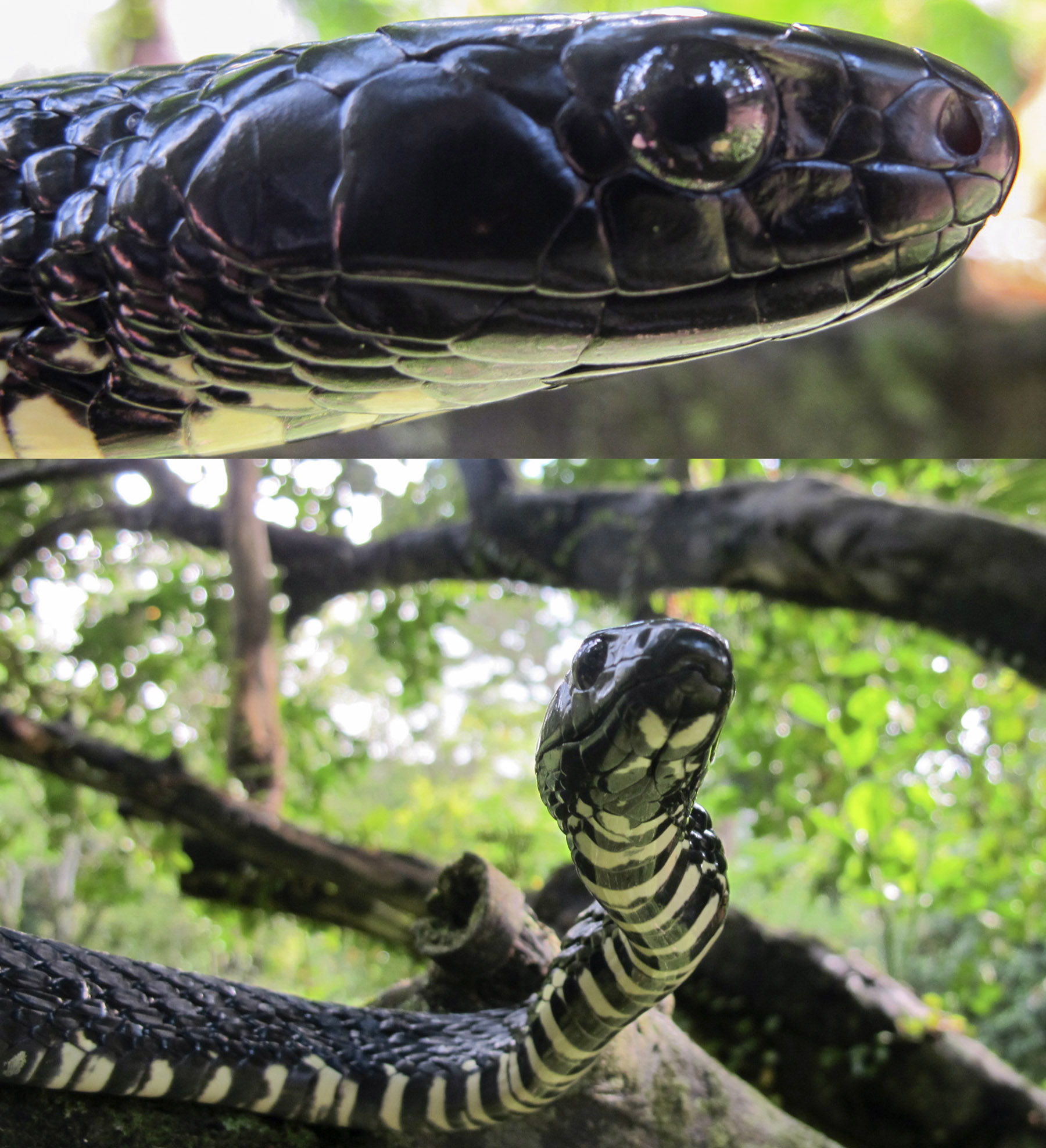
By conducting gene tree reconstructions of 3FTxs, the researchers uncovered intriguing evidence of potentially novel heterodimers within the genetic sequences of Chironius multiventris and Oxybelis aeneus.

Social behavior in snakes is under-studied and, as a result, poorly known. Using social network analysis, Tetzlaff et al. (2023) examined social behavior in the Western Diamondback Rattlesnake, Crotalus atrox, from 2001 to 2015.…

An intriguing example is the puff adder (Bitis arietans), which sheds its skin shortly after birth. These viper species use chemical camouflage to evade detection by predators. Although their shed skin is easily detectable,…
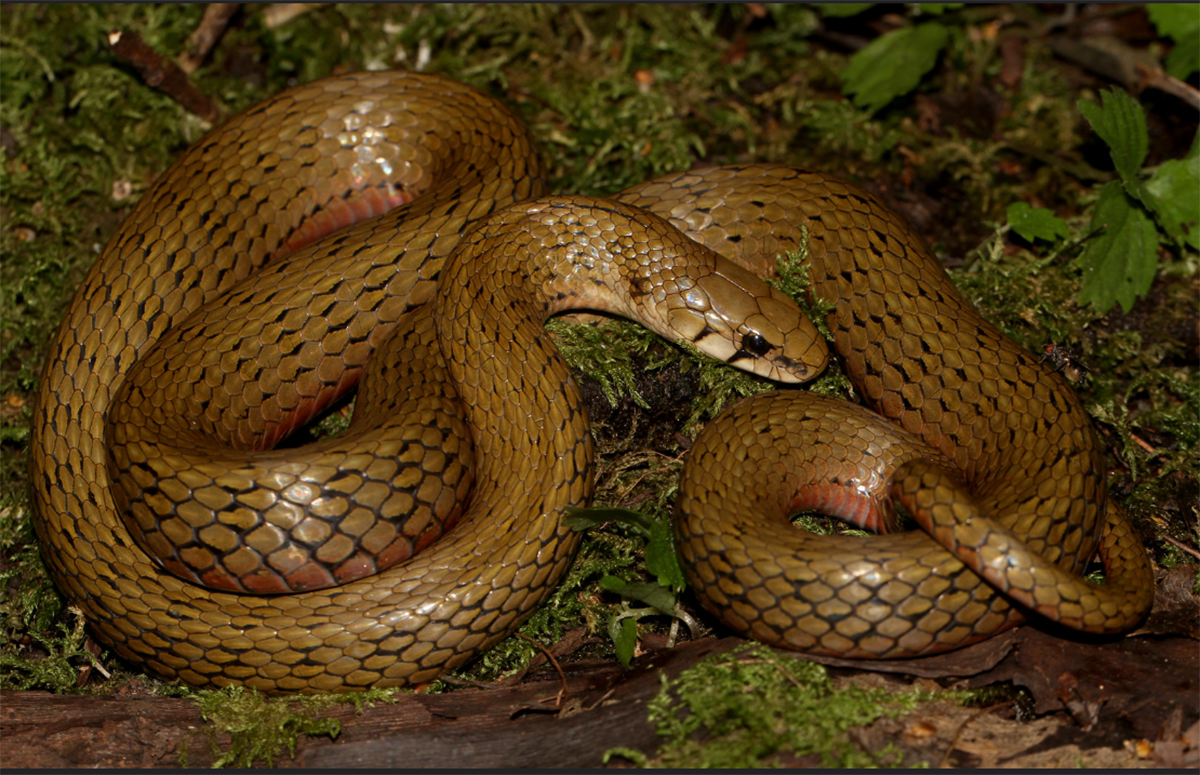
Cryptic diversity has been underestimated, but many examples have been documented in the scientific literature in recent decades. Researchers often highlight the importance of establishing a stable classification and strong evolutionary relationships for preserving…
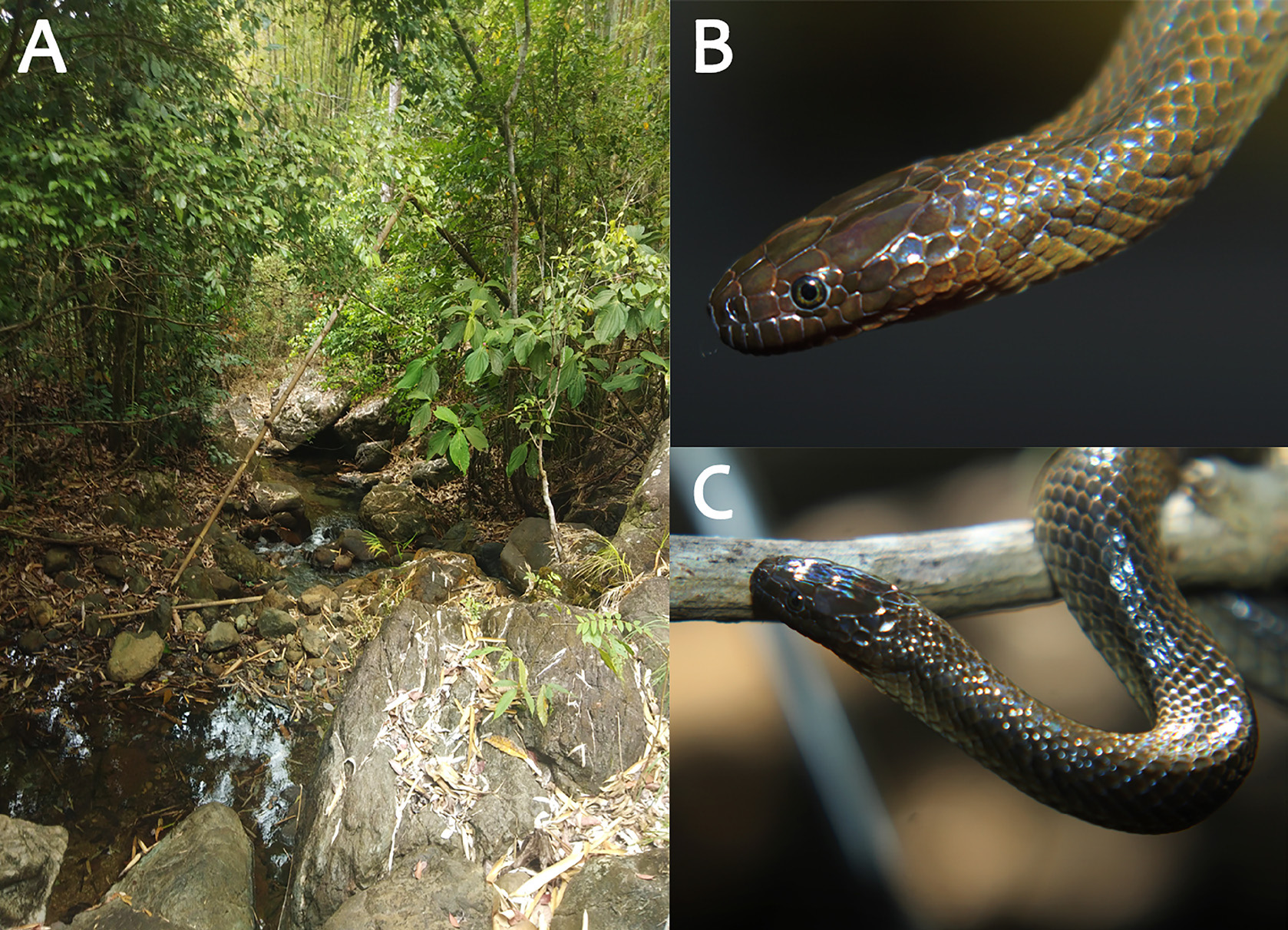
The single-occurrence records of O. alcalai demonstrate the significance of microhabitat-specific refugia for rare, secretive, and enigmatic natricid snakes that often inhabit aquatic and terrestrial environments. Mindanao's Lowland habitats (< 900 meters elevation) are…
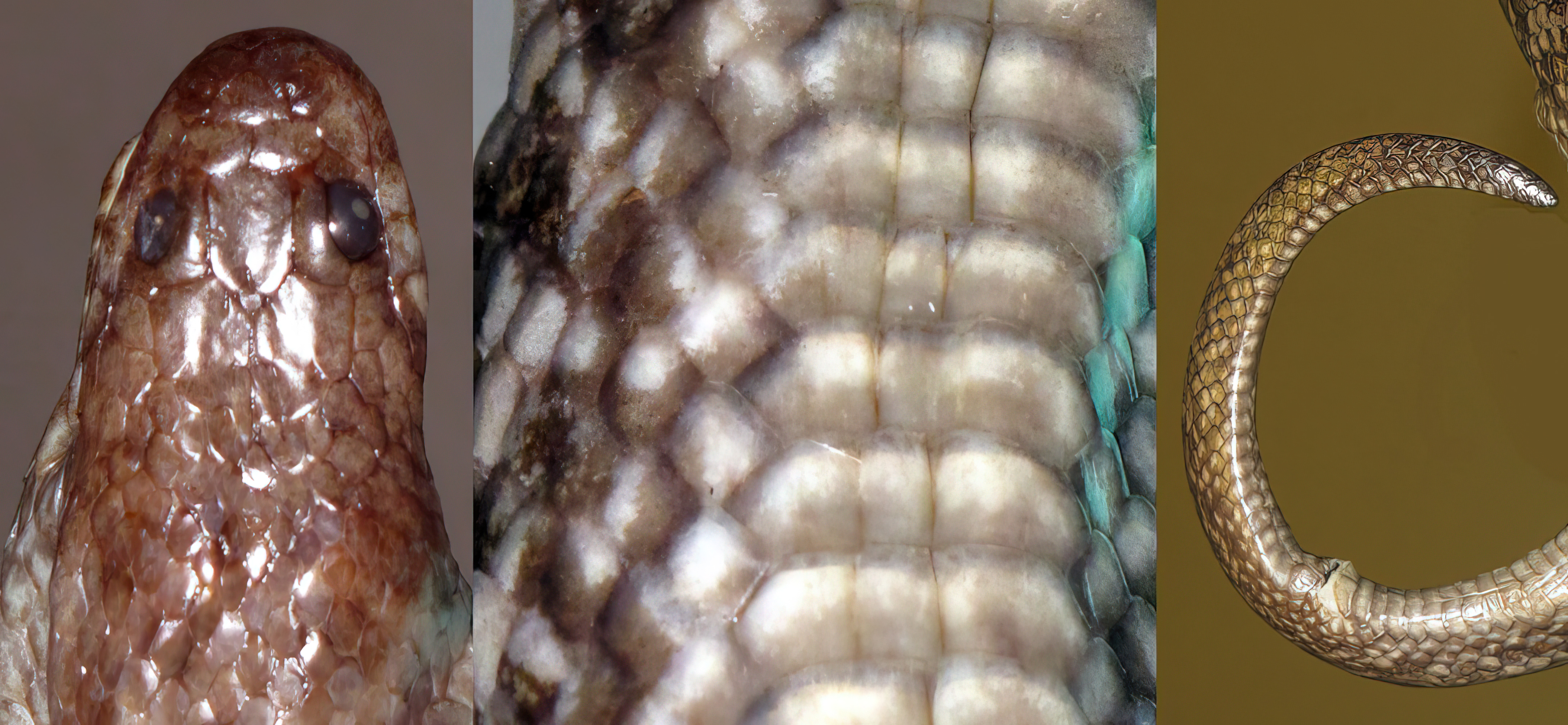
A recent paper (Hamidy et al 2023) describes a new homalopsid snake species, Hypsiscopus indonesiensis. The new snake is restricted to Lake Towuti on the island of Sulawesi. Hypsiscopus indonesiensis were collected from a…

The Chinese Academy of Sciences, China, has led a study that achieved chromosome-level assembly for 14 snakes, creating a detailed genomic reference for snake evolution. The research team published their findings in the journal…

Tiliqua frangens is believed to be related to the living shingleback or sleepy lizard (Tiliqua rugosa), but is even larger and more heavily armored.