



Amphibians, Reptiles, & Natural History
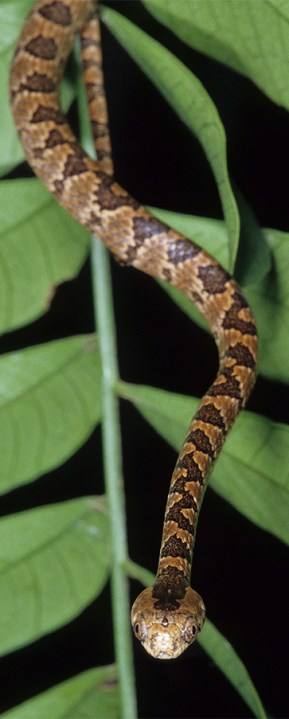
World Snake Day is July 16. The day is important to the conservation of snakes. Snakes live on every continent except Antarctica and can vary from the longest species, the reticulated python, to the smallest Barbados Threadsnake. Snakes try to avoid human contact. They consider humans predators. Venomous snakes (and many) use their venom to obtain food and only use it for defense when forced to. World Snake Day can help remove people's fears and illusions about snakes, and help them gain recognition as a marvelous adaptable apex species. World Snake Day can be used to educate and inform people about how to deal with snakes. Let's not mis this opportunity.

August 14th is World Lizard Day. It's the perfect time to show some love for these remarkable creatures that have been sharing our planet since the time of the dinosaurs. With over 6,000 known species, lizards come in all sorts of shapes, sizes, colors, and patterns, and you can find them on every continent except Antarctica. But why should we celebrate lizards, you ask? Well, they're not just cool to observe in their natural habitats but also essential players in many ecosystems. Lizards help keep insect populations in check, which is vital to our ecosystems. So, let's give these amazing creatures the recognition they deserve on this special day! tems worldwide.
These extraordinary beings don’t merely excavate burrows that become abodes for various other species; they also provide a valuable service by assisting in maintaining the cleanliness of our beaches. Their diet includes the remains of deceased fish that wash ashore, making a substantial contribution to ecological equilibrium. This underscores the profound significance of safeguarding these gentle creatures.
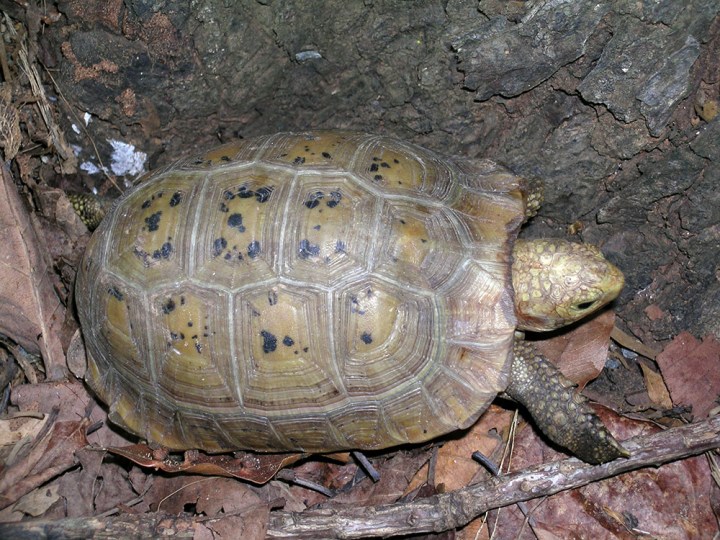
World Turtle Day stands as an occasion specially designated to celebrate and protect both of these remarkable creatures. Its origins can be traced back to 2002 when American Tortoise Rescue introduced this meaningful event. It casts a spotlight on the myriad challenges that turtles and tortoises confront due to human intervention and environmental hazards. On this special day, educational institutions, rescue centers, and nature enthusiasts unite to deepen their understanding of these creatures and pledge unwavering commitments to their preservation.
Here are some impactful ways in which you can actively participate in the endeavor to safeguard these exceptional animals: Adopt a Turtle or Tortoise: Contemplate adopting a turtle or tortoise from a rescue shelter. These low-maintenance creatures make ideal companions, especially for families with young children.


Elaps triangularis Wagler 1824: 5. Type locality: Ega (= Tefé) Lago Tefé, at confluence with Rio Amazon, Brazil. Hydrops triangularis – Wagler 1830: 170 Hydrops triangularis bassleri Roze 1957:83 Hydrops triangularis bolivianus Roze 1957:86 Hydrops triangularis fasciatus Roze 1957:76Hydrops triangularis…
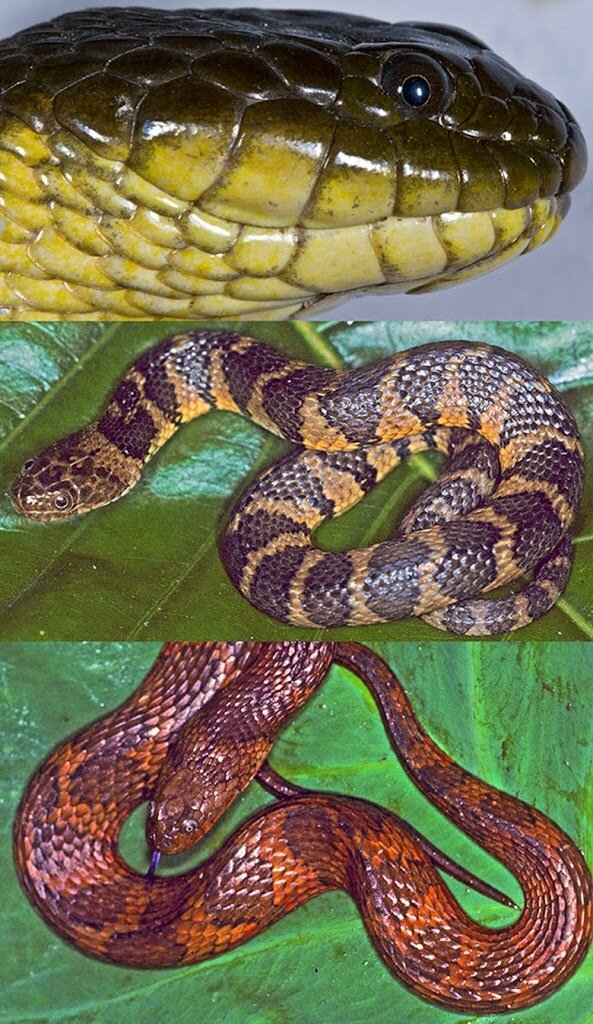
Coluber angulatus Linnaeus 1758: 217. Type locality: “Asia” (in error).Coluber alidras Linnaeus 1758:Coluber Surinamensis Shaw 1802: 460Natrix aspera Wagler 1824: 37Helicops angulatus — Wagler 1830: 171Helicops fumigatus Cope 1868: 308Helicops cyclops…

Elaps Martii Wagler 1824. Type locality: Provincia Maranhao, Rio Itapicuru, Brazil Hydrops Martii — Wagler 1830: 170Homalopsis Martii — Schlegel 1837: 356Hydrops callostictus Günther 1868: 421Calopisma martii — Jan and Sordelli 1868Hydrops…
Holotype: UFMT-R 8512, adult male, collected on 27 October 2009 by Carolina L. Cavlac. Diagnosis. Helicops apiaka sp. nov. is distinguished from all congeners by the following combination of characters:…
Coluber carinicaudus Wied-Neuwied 1825: 300. Holotype: AMNH 3365, a 909 mm specimenHomalopsis carinicaudus — Schlegel 1837: 350Helicops carinicaudus — Wagler 1830: 170. Distribution. Brazil (Espirito Santo, Rio Grande do Sul), Colombia.
You must be logged in to post a comment.